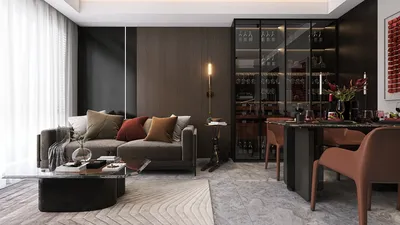


During a previous project, I mistakenly installed a wall sconce upside down in a client's compact hallway, only realizing it after receiving a selfie showcasing a rather dramatic shadow. This experience taught me a valuable lesson: the direction of installation is just as crucial as the design itself. Navigating small spaces encourages clever design choices; for instance, the right type of wall lighting can transform a dim corridor into a gallery-like escape or a simple reading nook into a peaceful retreat.
1. Slim LED Linear Sconces
I have a preference for slim LED linear sconces when designing narrow hallways and kitchens. They provide a steady, glare-free illumination while maintaining a minimal visual footprint. These energy-efficient fixtures can be installed either vertically or horizontally; however, ensuring the wiring is discreet without an unsightly junction box can be a bit tricky. In a recent apartment update, I placed them above a floating shelf to achieve a smooth wash of light, effectively creating a sense of spaciousness in the hallway. For efficient space planning, tools like the 3D floor planner, such as those available on Homestyler, can help visualize fixture placements.
save pin
2. Adjustable Swing-Arm Lamps
Adjustable swing-arm lamps are my favorite choice for providing bedside reading light in small bedrooms. They’re not only functional and stylish but also help to keep nightstand surfaces uncluttered. The only downside is that the heavier metal arms require secure mounting, which may necessitate using a stud or reinforced anchor. In one instance, I facilitated a last-minute installation by running a thin power cable into a retrofitted niche beside the bed.
save pin
3. Minimalist Disc or Disk Sconces
Disc-shaped sconces emit a gentle, contemporary illumination, making them ideal for placement above bathroom mirrors or in entry areas; they resemble art pieces when turned off and provide a cozy ambiance when lit. Although they can be slightly more expensive for designer versions, they deliver a sophisticated, gallery-like atmosphere that can elevate your space. I recently installed a pair of these above a console table, which instantly enhanced the room without overpowering the existing decor.
save pin
4. Integrated Mirror Lights
Integrating light fixtures into mirrors is a brilliant solution for compact bathrooms, where built-in LED lights fulfill both task and ambient lighting needs while conserving wall space. One key consideration is selecting the appropriate color temperature for activities like makeup application and shaving; I usually suggest a range of 3000–4000K. To ensure proper layout testing and visualize clearances before making any permanent installations, I often rely on an online floor planner, like those available on Homestyler, to avoid any unexpected challenges.
save pin
5. Sculptural Accent Wall Lights
For those seeking a dramatic focal point, sculptural wall lights are an excellent choice. Options include asymmetrical shapes or intricate metal designs that create captivating shadows. While these can be whimsical, it’s important to maintain balance to avoid a clash with other elements in the room. In a recent client project, we paired a brass geometric sconce with understated wallpaper, resulting in a dramatic yet cozy effect.
save pin
FAQ
Q: What color temperature is best for contemporary wall lights?
A: I typically recommend a range of 2700–3000K for warm, inviting settings and 3500–4000K for functional areas such as kitchens and bathrooms.
Q: Can wall lights be dimmable?
A: Yes, most contemporary LED wall lights are compatible with dimmers. However, ensure that the fixture, driver, and dimmer are compatible to prevent flickering.
Q: How high should I mount a wall sconce?
A: A commonly accepted guideline is to position the center of the sconce approximately 60–66 inches (150–170 cm) from the floor; minor adjustments can be made based on whether it’s in a hallway or beside a bed.
Q: Are wall lights suitable for small apartments?
A: Absolutely! Wall lights help maximize floor and surface space, providing layered lighting that is particularly valuable in smaller layouts.
Q: How do I conceal wiring for a wall-mounted fixture?
A: The best approach is to run the wiring within the wall or use flat, low-profile raceways. Consulting an electrician for concealed wiring solutions is advisable to meet safety regulations.
Q: What maintenance do LED wall lights require?
A: LED fixtures are low-maintenance; occasional dusting is usually sufficient, and it's wise to check that the drivers are functioning properly since they outlast traditional bulbs significantly.
Q: Where can I visualize wall light placement in my layout?
A: You can utilize an online room planner, such as Homestyler, to experiment with lighting and fixture placements, ensuring optimal sightlines and arrangements.
Q: Are there recognized standards for lighting levels?
A: Indeed, authoritative guidelines exist. For recommended illuminance levels, refer to the Illumination Engineering Society (IES) guidelines, which offer detailed lux recommendations tailored for specific tasks.
save pin
Discover the joy of home design with Homestyler! This intuitive online platform offers a powerful design tool, stunning 3D renderings, and a wealth of design projects and DIY video tutorials. Perfect for both beginners and seasoned decorators, it makes transforming your space effortless and fun!
Diseño ahora GRATIS
































