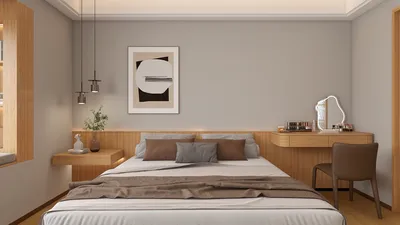


I once had the opportunity to paint a client’s kitchen cabinets using what I believed to be the ideal shade of bright white. However, under the evening lights, it took on a slightly blue hue. We had to redo the doors, gaining insights on undertones, and we ended up laughing about my costly oversight over coffee. Such minor design blunders often yield the most valuable lessons, and compact kitchens push you to think creatively rather than just exponentially bigger.
1. Classic Warm White: Benjamin Moore’s Simply White
Simply White has become my first choice when desiring a warm, welcoming kitchen without the risk of yellowing over time. It beautifully reflects light and complements wood tones well. Yet, if your kitchen receives strong northern exposure, it may appear cooler, so it's wise to sample first. For a resilient cabinet finish, consider applying a semi-gloss acrylic enamel topcoat. Homestyler can help you visualize how this color interacts with your kitchen design.
save pin
2. Clean Modern White: Sherwin-Williams Pure White
Pure White exudes a crisp and modern feel, making it ideal for minimalist kitchen layouts, particularly in smaller spaces where you wish for the cabinets to recede. It pairs nicely with stainless steel hardware. However, in excessively sunny areas, it can appear stark, so balancing it with warm accessories or wooden shelves can soften the look. I frequently use Homestyler to create renderings of cabinet elevations to assess the overall balance.
save pin
3. Soft Neutral White: Farrow & Ball’s Wimborne White
Wimborne White showcases a gentle creaminess that adds coziness to compact kitchens without veering into beige. Its sumptuous finish works perfectly with classic shaker doors. The trade-off often lies in the price—premium paints tend to be more costly, but offer greater depth and coverage, which can mean fewer paint layers.
save pin
4. Durable Choice: Behr Ultra Pure White
For a hard-wearing yet budget-friendly option, Ultra Pure White stands out, particularly for busy family kitchens. It cleans easily and obscures wear, although its brightness may feel overly clinical at times. To counter this, I suggest integrating textured elements, such as open shelving or butcher-block countertops, to make the space feel warmer. Using Homestyler can also assist in visualizing this balance in your kitchen.
save pin
5. Designer Favorite: Valspar Bistro White
Bistro White sits comfortably between warm and cool tones, making it suitable for various cabinet styles. It's an economical choice that yields reliable results for homeowners. One aspect to be mindful of is that colors may shift slightly depending on the finish, so opting for satin yields a softer appearance, while semi-gloss is preferable for simpler cleaning processes.
save pin
Practical Tips from My Workshop
Always test paint samples on full cabinet doors instead of just swatches, and check the colors at various times throughout the day. If you plan your visual layout initially, I often import paint tones into my 3D mockups via a room planner like Homestyler. This allows for a preview of how light interacts with different colors and maintains balance. Primer selection is critical, too; opt for a stain-blocking primer for wood knots or a bonding primer for slick surfaces.
save pin
Budget and Finish Notes
While higher-priced paints typically offer better coverage with fewer layers, saving on labor, I prefer semi-gloss or satin finishes with an enamel base for kitchen cabinets due to their scuff resistance and ease of cleaning. For a porcelain-like softness, a conversion varnish or professional spray finish can offer unmatched durability.
save pin
Link Examples
When I outline cabinet layouts and assess sightlines, I often use a kitchen layout planner to steer clear of unexpected surprises. For initial floor plans helping to determine cabinet runs, I might kick off with a free floor plan creator. Additionally, when clients need photorealistic previews, generating 3D renders with tools like Homestyler has spared us from repainting multiple times.
save pin
FAQ
Q: Which white paint won’t yellow over time? A: Opt for paints labeled as low-yellowing or specifically designed for trim and cabinets; acrylic enamel finishes are less prone to yellowing compared to oil-based ones.
Q: Should I use primer on cabinet doors? A: Yes, a proper primer enhances adhesion, blocks stains, and decreases the number of necessary topcoats.
Q: What sheen is best for kitchen cabinets? A: Semi-gloss or satin provides a good balance between ease of cleaning and subtlety, with semi-gloss being the simplest to maintain.
Q: How do undertones influence white selection? A: Undertones (blue, yellow, pink, green) can significantly alter how white appears under varying lights; always test using daylight as well as evening light.
Q: Is it better to paint cabinets myself or hire a pro? A: DIY is a viable option for straightforward projects, but for intricate spray finishes or heavily used kitchens, a professional is recommended to ensure durability.
Q: How many coats are typically necessary? A: With high-quality paints and primer, two topcoats are expected; lower-end paints may require three or more for adequate coverage.
Q: Are there health risks associated with cabinet paint? A: Select low-VOC paints for indoor use; many credible brands provide VOC data on technical sheets that comply with EPA guidelines.
Q: How can I match cabinet whites to backsplashes or countertops? A: Bring the material samples together and review them under your kitchen lighting; slight nuances in white can be harmonized using metallic hues or warmth from wood.
save pin
Homestyler is an exceptional online home design platform perfect for all your renovation needs. With its user-friendly design tool, stunning 3D renderings, and a wealth of DIY video tutorials, you can effortlessly create, visualize, and bring your dream home to life. Explore your creativity today!
Diseño ahora GRATIS
































