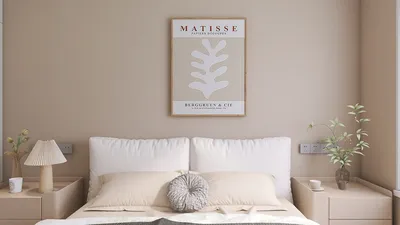


Banquet halls are specifically designed venues for hosting various gatherings, including weddings, corporate events, galas, award ceremonies, and community functions. Their importance stems from flexible floor designs, strong back-of-house support, and seamless service flow. From my experience, the finest halls integrate hospitality, theatrical elements, and logistics effectively—ensuring an exceptional guest experience while maintaining robust operations behind the scenes with tools like Homestyler for layout planning.
The effectiveness of an event goes beyond aesthetics; it can also be quantified. Research from Steelcase reveals that environments fostering social interaction greatly enhance attendee satisfaction and engagement, especially during receptions and networking sessions. The WELL v2 standard introduces performance criteria for acoustics, which encompass reverberation times and sound masking, alongside nutritional offerings that influence comfort and energy levels throughout lengthy programs. Incorporating these criteria early in the planning process significantly improves guest experiences and operational efficiency.
The interplay of lighting and visibility is vital to shaping perception and mood. The Illuminating Engineering Society (IES) advises that the recommended horizontal illuminance in multi-purpose assembly spaces typically ranges between 300-500 lux. It's essential to have adjustable lighting setups for varying events like speeches, dining, and dancing. Maintaining a color temperature between 3000K-3500K is important for flattering skin tones while avoiding a cold atmosphere. By combining general, accent, and decorative lighting with proper glare control, visual comfort can be sustained throughout the event.
Defining a Banquet Hall
A banquet hall is an extensive and flexible space designed to accommodate seated meals, presentations, and entertainment, complete with storage, catering facilities, loading access, and audiovisual (AV) capabilities. Notable features include lofty ceilings for optimal sightlines and rigging, unobstructed spans, or well-planned structural layouts, along with sufficient power and a circulation plan that differentiates guest flow from operational activities.
Core Functions and Program Zones
Effective banquet halls harmonize front-of-house hospitality with back-of-house logistics. Essential zones often incorporate an arrival lobby and registration area, pre-event lounges for socializing, the main dining hall, catering preparation areas (usually located near the event floor for efficiency), AV control rooms, green rooms, storage for furniture, and loading docks. Clearly defined zones help avoid guest and operation overlaps, minimize noise transfer, and ensure discreet and efficient service pathways.
Capacity, Layout, and Seating Styles
Typical capacity is dictated by local regulations concerning egress, fire safety, and occupancy limits, along with room proportions and types of furniture used. Common seating arrangements include banquet-style rounds (60-72 inches in diameter), long communal tables, cocktail setups with tall tables, and classroom or theater-style for presentations. I prefer to explore various layout options before deciding on the final configuration—utilizing an interior layout planner like Homestyler can effectively visualize table arrangements, aisle widths, stage settings, and dance floor dimensions to facilitate smooth service and sightlines.
For social functions such as weddings and galas, 60-inch round tables can typically seat 8-10 guests, while 72-inch rounds accommodate 10-12. It is important to maintain a distance of at least 60-72 inches between table edges to ensure circulation and convenient service. Positioning the dance floor centrally near the head table or stage enhances energy and maintains open sightlines. Straight, unobstructed aisles should lead to exits and restrooms.
Light Environment: Scenes, Dimming, and Theatrical Moments
Multi-scene lighting effectively supports the progression of events: brighter illumination (350-400 lux) for arrivals, softer lighting (250-300 lux at warm 3000K tones) during dining, highlighted aspects for speeches (500-750 lux focused on presenters), and decorative lighting with dynamic effects for dancing—all while ensuring safe minimums on walkways. Combining downlights with wall washing enhances brightness without causing glare, and specifying a Color Rendering Index (CRI) of 90+ is key for accurate color representation in photography. DMX or DALI controls facilitate seamless transitions between these moments.
Acoustic Comfort and Speech Intelligibility
Acoustics are crucial for the success of formal events. Aim for mid-frequency reverberation times between 0.7-1.2 seconds in larger halls, utilizing sound-absorbing materials on ceilings and walls (such as panels, drapes, or diffusers) to maintain clarity in speech. Strategically placing speakers and the stage can reduce echo effects; sound isolation between the hall and service corridors is also important. Adhering to WELL v2 guidelines regarding sound zones and background noise levels helps maintain clarity during presentations while allowing music sets to retain their vibrancy.
Color Psychology and Atmosphere
Colors impact emotions and perceived levels of formality. Warm earth tones and muted golds can evoke a sense of celebration and comfort, whereas deeper blues or rich greens can add a sophisticated touch without overpowering visual aesthetics. Research from Verywell Mind associates warm shades with sociability and cool tones with calmness and focus—these insights can guide alignment of color palettes with the specific type of event being hosted (be it festive or corporate). Avoid excessively bright primary colors that can strain the eyes in evening settings.
Human Factors: Flow, Comfort, and Wayfinding
Designing with intuitive movement in mind is crucial: ensure clear sightlines to bars, buffets, and restrooms; incorporate contrasting floor or ceiling elements to guide pathways; and install clear signage at decision points. Ergonomics play a significant role—select chairs with proper back support for longer dining experiences and ensure tables provide 24-30 inches per diner and buffet heights around 36 inches for ease of access. Adherence to ADA requirements for clearances and turning circles is essential; inclusive design not only elevates hospitality but ensures compliance.
Material Selection and Sustainability
Selecting durable finishes is essential for frequent usage: consider high-performance carpet tiles or resilient flooring for better acoustics and easier maintenance, scuff-resistant wall coverings, and fabrics that resist stains. Sustainable choices might include low-VOC materials, LED illumination, and modular furniture that can extend the material lifecycle. Acoustic panels designed to absorb sound while being easily cleaned are particularly effective in banquet settings.
Stage, AV, and Technical Infrastructure
Ensure that power distribution incorporates floor boxes in essential zones, proper cable management for safety, and rigging points suitable for lighting trusses or decorations. A flexible stage composed of modular platforms that stand 16-24 inches tall can accommodate various events, from live bands to speeches. Allocating a dedicated AV control room with a view of the stage and ensuring acoustic separation from the audience are vital, along with provisions for storing technical equipment such as microphones, projectors, uplights, and spare components.
Back-of-House: Catering and Service Efficiency
Proximity between the preparation area and the main hall is crucial to minimize service times and maintain food at ideal temperatures. Dedicated staff corridors are key to reducing interactions with guests. In my experience, staging areas close to entry points—such as mobile racks for plates, bus tubs, and beverage stations—can significantly decrease service times. Optimal operations allow staff direct access to loading docks and waste disposal zones that are well separated from guest pathways.
Circulation and Fire Safety
Adhere to code-compliant egress widths and keep primary aisles unobstructed. Clearly mark exits and maintain visibility towards these entry/exit points. It’s advisable to plan for crowd management during transitions—such as post-ceremony events, buffet openings, or dance floor transitions—to prevent bottlenecks from forming near bars or photo areas.
2024-2025 Trends in Banquet Hall Design
Recent designs emphasize warm, hotel-inspired palettes, architectural lighting with versatile scene adjustments, and integrated acoustic features. Venue operators are investing in multi-functional furniture, concealed AV equipment, and experiential design elements—such as programmable LED ceilings or immersive decorations that are easy to rent and reconfigure. Incorporating wellness-oriented elements—like fresh air circulation, biophilic design features, and healthier food options—aligns with WELL strategies and evolving guest expectations.
Planning Checklist
- Determine capacity and seating configurations based on the type of event and service methodology.
- Create a detailed map showing pre-function areas, the main hall, catering zones, AV control spaces, and storage with separate routes for guests and staff.
- Establish lighting scenes and set specifications for color temperature and CRI tailored to dining, speech, and dance segments.
- Plan and implement acoustic measures: absorption, diffusion, and sound isolation strategies.
- Choose durable and easy-to-clean materials with sustainability certifications.
- Integrate power systems, rigging logistics, and cable pathways; designate AV control and tech storage areas.
- Check ADA requirements and fire egress compliance; ensure alignment with local regulations.
- Use an interior layout planner—such as Homestyler—to simulate various floor layouts for optimizing table placements, pathways, and staging options across diverse event types.
Key standards and research to review for banquet hall performance include the WELL v2 guidelines for acoustic and nutritional standards, as well as IES lighting recommendations for assembly spaces. For more detailed technical parameters, investigate the WELL v2 guidelines at v2.wellcertified.com and the IES standards at ies.org/standards.
FAQ
Q1: What is the typical seating capacity of a banquet hall?
A: Seating capacity can vary based on local regulations and layout configurations. For example, mid-sized banquet halls (ranging from 6,000 to 8,000 sq ft) can comfortably accommodate between 300 to 450 guests when using 60-inch round tables (seating 8-10 per table), although the final numbers will depend on space allocations for exits, structural columns, and service zones.
Q2: What are the optimal lighting levels for dining and speeches?
A: It is recommended to achieve levels around 250-300 lux for dining, accompanied by a 3000-3500K color temperature, and lighting of 500-750 lux on presenters. Following IES guidance while utilizing layered lighting with dimming capabilities allows for seamless transitions between different event scenes.
Q3: How can I enhance acoustics for speeches while keeping the room vibrant?
A: A strategic combination of ceiling absorption, selective wall panels, and diffusers can be effective. Keeping reverberation times around 0.7-1.2 seconds, alongside proper speaker placement to avoid echoes, and treating service areas for sound isolation ensures that energy remains lively while clarity of speech is maintained.
Q4: Which seating arrangements offer the most flexibility?
A: 60-inch round tables are popular for many weddings and galas, while communal tables can enhance modern receptions. High-tops fit well for cocktail events, and classroom or theater setups serve well for conferences. Testing a variety of layouts using a room layout tool can help confirm capacity and transitions effectively.
Q5: What is the recommended aisle width between tables?
A: A minimum of 60-72 inches between table edges is advisable for smooth service and circulation, with wider primary paths leading to exits, bars, and restrooms. It's important for these pathways to remain straight and free from obstructions.
Q6: What materials are most reliable for frequent events?
A: Choicest options include high-performance carpets or resilient flooring, scuff-resistant wall finishes, stain-resistant textiles, and easily cleanable acoustic panels. Sustainable choices, such as low-VOC products and LED lighting, also contribute to enhancing indoor air quality.
Q7: What back-of-house features are critical for success?
A: Essential elements include positioning the catering preparation area near the main hall, storage solutions on wheels for tables and staging, tech storage areas, AV control rooms with clear sightlines to the stage, and loading docks that are separate from guest traffic. Discreet service corridors are vital to preserving the guest experience.
Q8: How should colors be chosen for various types of events?
A: Warm neutrals and gold tones are suitable for celebratory settings, while cool shades of green and blue are ideal for corporate events. Referencing principles of color psychology can aid in selecting palettes that align with the intended atmosphere and photographic needs.
Q9: How can I integrate AV technology without cluttering the visual space?
A: Incorporate floor boxes, cable raceways, and discreet rigging points in the design. Utilizing a modular stage and dedicated control areas can help keep equipment organized, maintaining clean lines and aesthetic appeal throughout the venue.
Q10: What design validation standards should I consider?
A: It's advisable to consult IES standards for lighting, WELL v2 for acoustic and nutritional quality, and to comply with local building and fire regulations. These guidelines significantly enhance comfort, safety, and operational standards.

Meridian Furniture 77054Natural Everson Collection
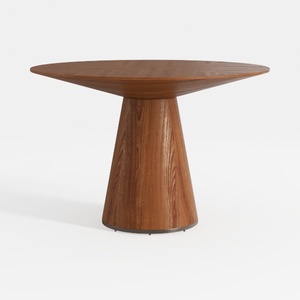
Round Dining Table Set for 4,45'' Farmhouse Dining

Bar Stools Set of 2, Swivel Bar Stools with Walnut
Homestyler is your go-to online platform for effortless home design. With its easy-to-use design tool, impressive 3D renderings, and a wealth of DIY video tutorials, you can transform your living space into your dream home—all at your own pace! Explore, create, and be inspired!
Diseño ahora GRATIS
































