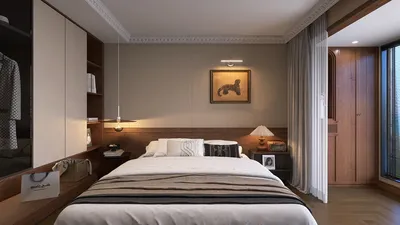


In living rooms, wool rugs are my top choice due to their unique ability to harmonize warmth, comfort, and durability like few other materials can. An ideal wool rug not only anchors seating arrangements but also enhances flow, absorbs sound, and adds rich color without overwhelming the space. The natural crimp in wool fibers traps air, offering resilience and thermal comfort underfoot. Instead of deteriorating, wool simply gains character over time, making it an investment in your home's aesthetic.
When making performance claims, it’s essential to back them up with data. Research conducted by Gensler, which parallels findings in residential settings, highlights that effective acoustic control significantly enhances perceived comfort—wool rugs play a vital role in diminishing sound reverberation in spaces with hard surfaces. WELL v2 emphasizes the importance of minimizing glare for eye comfort, supporting the idea that wool's diffuse reflectance and natural textures facilitate this quality effortlessly. Additionally, studies from verywellmind.com on color psychology reveal that warmer tones enhance feelings of comfort, while cooler shades promote tranquility. By selecting pigments in wool that align with these insights, one can create a mood that feels inviting yet not overstimulating. For those keen on wellness standards, WELL v2 provides clear benchmarks for material and visual comfort.
Daily Performance of Wool Rugs
Wool fibers possess a remarkable natural bounce (crimp) which prevents matting, making them especially suitable for situating under sofas, lounge chairs, and coffee tables. The inherent lanolin in wool provides a degree of stain resistance, momentarily repelling spills and allowing you time to address them. Unlike synthetic rugs that may appear one-dimensional, wool's loop and cut-pile constructions scatter light softly, reducing glare and enhancing tactile richness. During colder months, wool rugs elevate thermal comfort; a plush hand-tufted option can significantly increase warmth perception in seating areas, particularly when paired with layered lighting and densely woven drapes.
Selecting the Perfect Pile, Weave, and Density
For households with children or frequent foot traffic, I recommend opting for a low to medium pile made of densely hand-tufted or flatweave wool rugs, as they are typically easier to clean and less prone to wear. While plush high-pile shag rugs offer luxurious comfort, it's best to confine them to less-trafficked areas like reading nooks. Berber-style loops effectively camouflage vacuum marks; combining cut-and-loop styles can introduce subtle geometry that defines movement and zones within the room. Seek rugs with a high stitch density and tightly woven backing; well-crafted wool rugs provide support and quickly regain shape after being moved around.
Color, Pattern, and Emotional Impact
Understanding color psychology is crucial in this context. Utilizing warm neutral colors such as camel, oatmeal, and rust can enhance sociability and create a cozy atmosphere suitable for evening gatherings. Conversely, cool shades like desaturated blues and soft sage tones help to reduce visual noise in open spaces or brightly lit rooms. It is beneficial to choose mid-value backgrounds that contrast well with flooring and furnishings; overly light rugs can create glare, while very dark options tend to show lint and can affix a heavier ambiance. The scale of the patterns should correspond to the room’s dimensions: large geometric shapes anchor substantial seating arrangements, while finer textures can seamlessly blend into more compact spaces without overcrowding them. Insights from verywellmind on color and emotional responses support these strategies.
Acoustic Comfort and Lighting Dynamics
Rooms with hard surfaces might come off as too bright or stark. A wool rug serves to absorb high-frequency echoes, making conversations easier. To improve the unfurling of day and night, pair the rug with layered lighting—a warmer tone of 2700–3000K in the evening and a brighter spectrum of 3000–3500K for reading purposes—helping to establish a comfortable atmosphere. Following guidance from IES regarding glare control usually involves utilizing matte textures and maintaining balanced luminance, where the diffuse reflectance of wool contributes to softening harsh light sources.
Dimensions, Placement, and Balance
The scale of the rug can greatly influence the perception of the room’s balance. Ideally, in living spaces, your rug should accommodate the front legs of sofas and chairs, which aids in anchoring seating zones and clarifying foot traffic flow. For smaller spaces, ensure the rug extends at least 8–12 inches beyond the coffee table to visually anchor the center of the arrangement. In larger settings, consider using rugs sized 9x12 or 10x14 that encompass all primary seating in a cohesive manner. When contemplating layouts or assessing sectional arrangements, utilizing a room layout tool, such as those available through Homestyler, can assist in visualizing traffic patterns and furniture positioning before finalizing any purchases.
User Comfort and Movement
The sensation underfoot is influenced by the pile height, padding, and the space between furniture. It’s advisable to pair wool rugs with a felt or natural rubber pad to enhance grip, cushioning, and floor protection. Aim for a clearance of 30–36 inches between the edges of seating to permit smooth movement; wool’s inherent friction reduces the slipping of coffee tables and ottomans more effectively than slick synthetic alternatives, thereby improving everyday ergonomics.
Integrity of Material, Sustainability, and Maintenance
Wool stands out as a renewable and biodegradable resource, especially when sourced from undyed or plant-based dyed materials. Its natural flame resistance means it doesn't require extensive chemical treatments. With time, wool acquires a charming patina. For upkeep, promptly blot any spills, vacuum weekly with a suction-only attachment, and rotate the rug seasonally for even wear. Exposure to direct sunlight may fade rich color over time; it’s beneficial to employ sheer window coverings to minimize prolonged exposure. Regular professional cleaning every 12–18 months is recommended to maintain pile responsiveness in heavily used areas.
Textural Strategy for Layered Living Settings
Achieving visual balance is key. If the sofa features a pronounced texture, such as bouclé or a heavy weave, choose a simpler rug exhibiting a cohesive pattern. Conversely, if your furniture is smooth like leather or linen, a more textured wool rug will add necessary depth. It's important to maintain consistency: incorporate a repeating element (like a stripe, rib, or small geometric) in both the rug and accessories to unify the design without appearing overly coordinated.
Durability for Busy Households
With their natural cuticle scales, wool fibers demonstrate an extraordinary ability to resist damage from wear that surpasses many plant fibers, and high-quality backing prevents curling at the edges. Living rooms adjacent to entryways can benefit from darker speckled tones which effectively camouflage dirt. For multi-level homes populated with kids and pets, it’s wise to steer clear of long fringes and instead opt for serged edges. If you need to accommodate heavy rolling items—like vacuum cleaners or toy carts—selecting dense, low-pile rugs is advisable to prevent snagging.
Layering with Secondary Rugs
In spacious areas, consider layering a flatweave foundation with a smaller hand-tufted accent rug to create comfort where people tend to gather. The base rug defines proportions, while the accent piece introduces coziness and color variety. Be sure to keep transitions in pile height gradual to avoid tripping hazards. Utilizing interior layout features in Homestyler can help you evaluate zones, seating angles, and engagement spacing prior to making a commitment.
Budget Considerations and Quality Indicators
To gauge a rug’s quality, assess attributes such as fiber length uniformity, density, and edge finish. Hand-serged edges and tightly-knit loops are indicative of quality craftsmanship, while uneven luster or sparse backing suggests lessened diligence in production. A well-constructed wool rug should feel dense yet responsive when pressed; it’s this level of springiness that maintains shape underfoot.
Styling Insights from Recent Experiences
In a family living area featuring west-facing windows, a mid-value heathered wool rug effectively mitigated late-afternoon glare while softening evening ambiance. In a compact space, a light gray flatweave expanded the perceived floor area, with a thicker accent under the coffee table enhancing comfort exactly where it was needed.
Frequently Asked Questions
Wool is unmatched in delivering durability, thermal comfort, and sound absorption. While synthetic alternatives might be budget-friendly and somewhat resistant to stains, they often lack the visual depth of wool and can create an unwelcome static charge; higher-quality wool adapts well to foot traffic and maintains its appearance.
As a guideline, ensure that the front legs of sofas and chairs rest on the rug. For an 84–96 inch sofa, rugs sized 8x10 tend to fit most areas nicely; however, larger seating configurations should consider 9x12 to encompass all pieces and stabilize the arrangement.
Absolutely, provided you make informed choices. Opt for low to medium pile heights, steer clear of long fringe, and select speckled or mid-value colors to mask shedding. Promptly blot spills can ensure wool’s natural resistance works for you.
New wool rugs might release fibers initially, particularly those that are hand-tufted. This shedding tends to settle down after a few months with consistent vacuum maintenance using a suction-only attachment.
Wool assists in dampening sound reflections on hard surfaces, aiding in clarity of speech. In expansive living spaces, layering wool rugs with other soft furnishings can significantly diminish echo effects.
Warm neutral colors such as caramel, terracotta, and taupe create a cozy atmosphere when paired with 2700–3000K lighting. If the visuals in the room tend to turn hot, incorporating cooler accents (like blue-gray or sage) can help balance the overall mood.
Use felt or natural rubber pads that are slightly smaller than the rug to add cushioning, prevent slipping, protect flooring, and encourage pile recovery.
For maintenance, quickly blot spills, avoid excessive scrubbing, vacuum weekly, and rotate the rug seasonally. Every 12–18 months, consider professional cleaning for high-traffic areas to restore resilience.
Moderate indirect sunlight won’t harm wool rugs. However, too much direct exposure may lead to dye fading; using sheer fabrics or adjusting placements can help limit sunlight intake, especially in rooms with west-facing windows.
Scale is vital; large patterns anchor substantial seating clusters, while small-scale textures are more fitting for compact areas. To diminish visual clutter, maintain a coherent palette in alignment with furniture choices.
Reserve plush high-pile options for tranquil areas or reading nooks. In primary seating zones, medium or low pile rugs offer simpler care and greater durability.
Outline the positioning of furniture and aisles, then utilize a room design tool like Homestyler to visualize rug sizes, explore traffic paths, and determine optimal table reach.

Transform your home with Homestyler! This fantastic online design platform offers an easy-to-use design tool paired with stunning 3D renderings and inspiring DIY video tutorials. Whether you're starting a new project or redefining your space, Homestyler makes home design accessible and fun for everyone!
Diseño ahora GRATIS
































