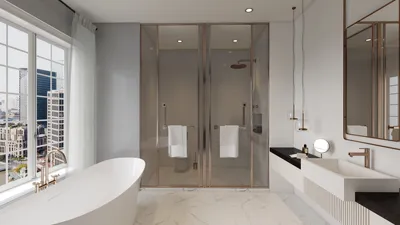


Grey rooms are both classic and adaptable, providing a serene backdrop that can showcase various colors and textures. By choosing the right curtains, a grey space can effortlessly transition from a cool, minimalist aesthetic to a warm, layered ambiance within moments. I analyze grey interiors through the lenses of light, temperature, and contrast, considering how curtain colors and fabric weights influence a room's brightness, atmosphere, and overall balance, which can greatly enhance your design using Homestyler.
Light performance is foundational when selecting curtains. As per IES recommendations for residential spaces, an ambient light target of around 10–20 footcandles is typically comfortable, while task-oriented areas may require anywhere from 30–50 footcandles, depending on the occupants' age and activities. The opacity and color of curtains have a direct impact on achieving these lighting levels by regulating the amount of natural light that enters a room. Additionally, the WELL v2 certification emphasizes the importance of managing glare and ensuring access to daylight for occupant comfort. Therefore, utilizing layered treatments, such as sheer fabrics combined with drapery, becomes an effective strategy for grey rooms needing harmonious illumination. You can find more guidance in the IES standards and WELL v2 documentation, as well as through design tools like Homestyler.
When matching curtain colors with shades of grey, understanding color psychology is crucial. According to insights from Verywell Mind, yellow can convey warmth and optimism, blue promotes tranquility and stability, while green suggests balance and rejuvenation. These psychological associations can guide color selections for curtains, aligning them with the intended ambiance of the room—whether it’s relaxation, productivity, or hospitality. Therefore, I tailor my choices of saturation and undertone for curtains according to the specific tone of grey present in the space, whether it leans cool, warm, or neutral, making great use of tools like Homestyler.
Deciphering Your Grey: Undertone, Temperature, and Contrast
Grey is not a singular hue; it exists on a broad spectrum. Cool greys, characterized by blue or green undertones, pair excellently with warm woods and curtain fabrics to maintain a vibrant environment. Conversely, warm greys, which may have taupe or brown undertones, can effectively embrace cooler curtains like slate blue or charcoal, contributing depth without muddling the color scheme. Neutral greys are versatile and can match both cooler and warmer tones while accommodating stronger contrasts.
In spaces with limited natural light, it's advisable to steer clear of heavy, dark drapes if the walls are a mid-to-dark grey, as excessive light absorption can make the atmosphere feel flat. Instead, consider layering a soft sheer in off-white or warm ivory with a medium-opacity curtain in shades like greige, sand, or dusty blush. For brighter areas, deeper curtain options such as charcoal, espresso, or deep navy can minimize glare while enhancing visual structure.
Ideal Curtain Colors for Grey Rooms
- Warm Neutrals: Shades like ivory, oatmeal, greige, and sand work wonderfully to soften cool greys, ensuring the daylight within the room feels warm rather than sterile.
- Earth Tones: Colors such as terracotta, cognac, olive, and moss complement mid-grey beautifully, offering a grounded, modern look.
- Shades of Blue: Using slate, steel, or deep indigo creates a harmonious feel with cool grey, achieving a cohesive, gallery-inspired atmosphere.
- Charcoal and Black: These colors provide a sharp, architectural feel that works best in spaces with high ceilings or plenty of natural light to avoid heaviness.
- Soft Pastels: Dusty rose, muted lavender, and pale sage inject subtle character without overshadowing the grey’s presence.
- Patterned Neutrals: Textures like herringbone, subtle stripes, or small-scale geometrics can add interest while maintaining a sophisticated aesthetic.
Fabric Choices: Weight, Drape, and Upkeep
- Linen or Linen-Blend: This organic fabric breathes well, adding a relaxed, airy quality to grey rooms. While moderate wrinkles are expected, opting for heavier linen can enhance drape and privacy.
- Cotton Sateen or Twill: These materials offer a sleek, refined appearance with dependable coverage, providing a tidy backdrop for modern and transitional styles.
- Velvet: This luxurious fabric absorbs light, making it ideal for bright environments or media rooms where depth and sound dampening are desired. Performance velvet is recommended for greater durability.
- Sheer Voile or Organza: These lightweight fabrics provide a soft diffusion of light; pairing them with a more substantial panel can help manage glare and privacy needs.
- Faux Silk or Taffeta: With a crisp sheen, these fabrics add formality—perfect for dining areas or classic designs—but it's important to balance them with matte elements to avoid a cold atmosphere.
Opacity and Layering: Managing Light and Privacy
Layering curtains allows a grey room to adapt to evolving light conditions. A sheer inner layer can help control day brightness and silhouettes, while a medium-to-heavy outer layer aids in privacy and warmth during the evening hours. For rooms oriented towards the street, I often recommend a double rod or track with 80–90% blackout capabilities for bedrooms and 60–70% in living spaces, thus maintaining evening ambiance while utilizing tools like Homestyler for design layout.
Curtain Hardware, Heading Styles, and Proportions
- Rod Finish: Black or gunmetal rod finishes stand out crisply against light grey walls, while brass provides warmth and matte nickel complements cool, contemporary greys.
- Heading Style: Ripplefold produces a contemporary wave effect, whereas pinch pleat delivers a more polished look; grommet heading best fits a casual, modern aesthetic. It’s crucial to match the heading style with the fabric weight—velvet works well with pinch pleat, while linen matches nicely with ripplefold.
- Curtain Length: To create an elongated appearance, allow curtains to kiss or puddle slightly (1–2 inches); for everyday use, a floor-kiss is the most practical option.
- Width and Fullness: Aim for 2–2.5x fullness to achieve an alluring natural drape. Panels that are too narrow can appear insufficient and detract from visual comfort.
- Mounting Height: Install rods 4–8 inches above the window frame or extend to the ceiling to enhance the perception of height—a vital tip for compact grey rooms.
Recommended Grey Wall and Curtain Combinations
- Light Cool Grey + Warm Ivory Linen: This combination promotes a balanced and bright atmosphere, ideal for social living spaces.
- Mid Neutral Grey + Dusty Olive Cotton Twill: This pairing creates an earthy, contemporary, and soothing environment.
- Deep Charcoal Grey + Camel Velvet: A plush combination that brings warmth—perfect for dining or lounge areas with a cozy evening feel.
- Warm Greige + Steel Blue Linen-Blend: This selection adds a refined cool aspect without chilling the room’s overall ambiance.
- Concrete Grey + Patterned Oatmeal Herringbone: A texture-rich choice that is exceptional for modern industrial aesthetics.
Pattern, Texture, and Visual Flow
When integrating patterns, scale is key. Smaller spaces benefit from discreet, low-contrast designs, while larger areas can support bolder stripes or grand geometric patterns. Texture enriches a grey palette—fabrics such as linen slub, bouclé, and brushed cotton add tangible depth. Moreover, maintaining visual rhythm is essential: if a grey room features smooth wall finishes and sleek furniture, consider selecting textured curtains; conversely, in spaces with already textured furnishings, opt for smoother fabric choices for a balance.
Light Temperature and Atmosphere
It's essential to consider the color temperatures of lamp light and daylight. In cooler LED environments (3500–4000K), warm-toned curtains can counteract clinical feelings. In warmer settings (2700–3000K), cooler curtain tones can enhance edges and visibility. Proper glare management makes a substantial difference—tying back heavy drapes during the day and employing sheers helps scatter light, preventing harsh contrasts on floors and seating areas.
Sound Absorption and Comfort
Utilizing soft furnishings, especially heavier fabrics like velvet or triple-weave constructions, aids in absorbing mid-to-high frequency sounds, thereby reducing echo in spaces featuring hard flooring or expansive windows. I frequently combine velvet or lined drapery with a cozy wool rug to stabilize acoustics without overwhelming the design. In media rooms, blackout-lined curtains ensure visuals remain sharp and sound remains controlled, enhancing the overall comfort.
Sustainability and Maintenance
Opt for fabrics that are OEKO-TEX certified, incorporate recycled polyester blends, or are made from responsibly sourced natural fibers. Linen and cotton not only breathe well but also age gracefully; performance weaves resist fading in sunny conditions. Implement interlining in colder climates to bolster insulation and minimize energy loss via windows. Regular steam cleaning keeps drapes fresh, while avoiding harsh detergents on natural fibers is advisable.
Room-Specific Suggestions
- Living Room: Use sheer and medium-weight drapes in warm neutrals, targeting 2–2.5x fullness for an elegant touch.
- Bedroom: Blackout or dim-out options in charcoal, indigo, or warm taupe can provide comfort; a clean hardware system with ripplefold ensures smooth functionality at night.
- Home Office: Consider light-filtering roller shades paired with linen drapery; blue or green shades promote concentration and tranquility according to color psychology.
- Dining Room: Select faux silk or cotton sateen in warm ivory or camel with pinch pleat heading for a polished look.
Common Pitfalls to Avoid
- Selecting curtains that are too narrow will result in inadequate coverage and visual imbalance.
- Not matching undertones can lead to a muddy appearance when cool curtains are paired with warm greys.
- Overusing blackout curtains in living areas can create a flat feel during daylight hours.
- Hanging rods too low compresses the sense of height in the space.
FAQ
Q1: What curtain hues work best with a cool grey wall?
A: Warm neutrals like ivory, oatmeal, or greige can introduce warmth and balance. For contrast, opt for deep navy or charcoal for structure without clash.
Q2: Are blackout curtains necessary in a living room?
A: Blackout is more suitable for bedrooms or media spaces. In living rooms, consider pairing sheer fabrics with medium-opacity drapes for managed daylight while maintaining evening privacy.
Q3: How wide should my curtains be?
A: Aim for 2–2.5x the window width for an ideal fullness and a natural drape that avoids gaps and promotes visual balance.
Q4: Can patterns be integrated into grey rooms?
A: Absolutely, particularly subtle patterns like herringbone, pinstripes, or small geometrics. Scale the pattern to the size of the room: smaller for compact rooms, and larger for spacious areas.
Q5: What fabric type works best in a minimalist grey space?
A: A linen-blend or cotton sateen with ripplefold headings provides clean lines and gentle texture. Stick to understated colors, such as warm ivory or slate.
Q6: How can I manage glare in a brightly lit grey room?
A: Layer sheer curtains with heavier drapery to diffuse light effectively. This aligns with glare control principles outlined in WELL v2, ensuring visual comfort throughout the day.
Q7: What hardware finish works best with grey walls?
A: Matte black or gunmetal rods provide a striking contrast against lighter greys; brass introduces warmth, whereas matte nickel pairs seamlessly with cool color schemes.
Q8: Are velvet curtains too bulky for smaller spaces?
A: Not necessarily—selecting sleek, tailored velvet panels with ceiling-mounted hardware can draw the eye up. Balancing with light-colored sheer fabrics keeps the room feeling airy.
Q9: How do curtain colors impact mood?
A: Warm colors like ivory, camel, and terracotta foster comfort, while shades of blue promote calm and focus, and greens facilitate balance. These insights resonate with common findings in color psychology.
Q10: Can curtains enhance acoustics?
A: Yes, especially heavier fabrics and lined drapes that absorb sound frequencies, thus helping to reduce echo—particularly beneficial in spaces with hard floors or tall windows.
Q11: What length should I consider for curtains?
A: For routine practicality, a floor-kiss is recommended; if a more refined look is desired, consider a slight puddle (1–2 inches) but steer clear of high-water hems, which can visually shorten the room.
Q12: How can I care for natural fiber curtains?
A: Gentle vacuuming paired with occasional steaming keeps fibers looking fresh. Use mild detergents and avoid high heat to prevent shrinkage, especially with linen and cotton materials.



Homestyler is an amazing online home design tool perfect for anyone looking to create stunning interiors. With its impressive 3D rendering features, a wealth of design projects, and easy-to-follow video tutorials, you'll find inspiration and confidence to transform your space effortlessly.
Diseño ahora GRATIS
































