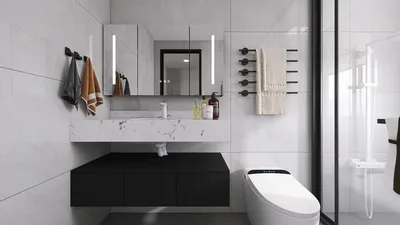


Cream curtains serve multiple purposes beyond enhancing the aesthetics of a living room; they manage light, balance color temperatures, and influence the ambiance throughout the day. In my interior design experiences, selecting an appropriate cream fabric has noticeably widened the visual space of a room and harmonized the connections between walls, window frames, and furniture. Research highlights the importance of this choice: WELL v2 advises on regulating daylight and controlling glare, as erratic brightness levels can contribute to visual fatigue and discomfort. A well-lit environment, in turn, fosters improved well-being and work efficiency. Similarly, Steelcase findings illustrate that settings providing visual comfort and control are linked to enhanced focus throughout the day, further emphasizing the role of light-managing textiles like those facilitated by Homestyler.
The impact of color is equally significant as that of material. A report by Verywell Mind on color psychology associates light neutrals with tranquility and spaciousness—qualities that cream can deliver when applied correctly. For daylight settings, I strive for living rooms to achieve a brightness level of 200–300 lux for casual activities during the day; curtains play a crucial role in reducing glare from direct sunlight while allowing for a soft and diffuse illumination (this aligns with IES recommendations for layered lighting). In apartments with strong western sun exposure, I prefer using cream curtains made with a slightly tighter weave to mitigate late-afternoon glare without diminishing the overall luminosity of the space. To aid in home layout optimization or test different fabric densities adjacent to window orientations, consider utilizing a layout simulation tool, such as Homestyler.
Understanding the Cream Spectrum
Cream encompasses a spectrum of hues from warm ivory with yellow undertones to cooler ecru tinged with gray. If your environment leans warm (like oak floors or brass features), opt for a warm-neutral cream to prevent excessive yellow tones. Conversely, contemporary spaces characterized by concrete and black metal can accommodate a greige-infused cream to maintain a sophisticated look. I recommend evaluating fabric samples against the window at various times—10 a.m., 2 p.m., and 7 p.m.—to observe how the same fabric can exhibit warming at sunset and cooling at midday. Strive for a Delta E difference that keeps the surrounding elements, such as walls and rugs, visually harmonious.
Managing Light, Glare, and Privacy: Selecting the Right Fabric
Adopt a layered approach. Combining a sheer cream for daytime light diffusion with a lined curtain for evening privacy typically suffices for most living rooms. Sheers with 3–7% openness softly filter views without dulling natural light; the lined fabric (such as cotton sateen or dim-out material) effectively conceals silhouettes at night and protects upholstery from UV rays. In bright south or west-facing rooms, adding interlining enhances drape and thermal efficiency. My standard recommendation is to use a face fabric with a weight of 250–350 gsm to ensure a luxurious drape that isn’t overly stiff, and opting for railroaded wide-width sheers (110–125 inches) minimizes vertical seams in expansive spaces.
Proportions and Installation Height
Proportions decide how cream is perceived—whether it looks intentional or hesitant. I suggest positioning hardware 6–10 inches above the window, or as close to the ceiling as possible, to elongate the wall. For width, ensure each panel set measures 2.0–2.5 times the window width for optimal fullness; stationary panels can be reduced to 1.5 times if they won’t be moved. The style of hems plays a role too: a crisp “kiss” to the floor appears neat, a 1–2 inch break brings in softness, while a 4–6 inch puddle adds a romantic touch (best suited for low-traffic, traditional spaces). When planning for multiple windows, checking the stack-back to ensure panels don’t obstruct glass—about 30–40% of the window width per side in operable systems—is crucial. Utilize an interior layout planner to help assess furniture placements and stack-back efficiently with tools like Homestyler.
Color Coordination and Material Choice
Cream complements natural textures excellently. I prefer matte linen blends for their breathability and subtle texture, or a cotton-linen blend with 3–5% synthetic fibers for added durability and wrinkle resistance. For additional resilience, performance fabrics treated for stain resistance keep cream practical in homes with children and pets. Frame the cream curtains with blackened or bronze hardware for a striking contrast, or opt for a tone-on-tone look using brushed nickel or painted wood rods. To maintain visual depth, ensure that rugs and sofas are either one shade darker or lighter than the curtains; failing to do so may result in a flat appearance throughout the room.
Acoustic Quality and Comfort
In rooms featuring hard surfaces, sound can easily bounce off walls. Dense, interlined cream curtains can help absorb mid- to high-frequency sounds, facilitating easier conversations. While they won't replace dedicated acoustic panels, using full-height, fully lined curtains on wide windows significantly reduces perceived reverb, particularly in spaces with stone, glass, and metal elements. When combined with a wool rug and upholstered furniture, this creates a balanced acoustic environment.
Control of Temperature and Natural Light
In regions experiencing significant seasonal variations, thermal-lined cream curtains provide an effective barrier. Close the lined layer during peak summer afternoons, and open it at dusk to release heat; inversely, in winter, keep it closed after sunset to retain warmth. This behavioral pattern, along with breathable, light-colored fabrics that reflect solar energy, enhances comfort levels without over-reliance on mechanical heating or cooling.
Choosing Hardware, Heading Styles, and Operation
Select hardware that aligns with your room's design aesthetic—slender tracks work well in minimalist areas, while hand-finished rods can be highlights in more traditional settings. Ripplefold headings glide effortlessly and lend a modern feel, while pinch pleats provide structure and depth. For wide spans or frequently used windows, incorporate baton or cord controls to keep fabrics clean and ensure consistent stacking. Avoid oversized grommets in refined palettes, as they might create an overly casual impression unless stylistically echoed in other metal details.
Care and Longevity
To keep cream curtains looking their best, establish a regular maintenance routine: gentle vacuuming with a soft brush every two weeks, quarterly steam cleans, and professional cleaning annually (or biannually for urban areas). UV rays can fade natural fabric fibers; hence, lining acts as a protective measure. If a window experiences uneven sun exposure, rotate curtain panels left-to-right every six months for uniformity.
Strategies for Small Spaces
In smaller living rooms, stretching cream curtains wall-to-wall helps eliminate visual interruptions, making windows seem more expansive. Match the curtain color closely with the wall to create a seamless environment, and introduce contrast through artwork, wood accents, and darker rugs. A low-profile track installed at the ceiling line elevates the visual field, enhancing the sense of height in the room.
Sustainable Fabric Options
Choose responsibly sourced natural fibers or recycled-polyester blends, ensure low-VOC finishes on wood rods, and emphasize repairing over replacing whenever feasible. Thick linings can lower thermal loads, promoting energy efficiency. When I repurpose existing rods, I refinish them to match the new hardware, thus minimizing waste.
Step-by-Step Selection Guide
- Evaluate window orientation and glare; select sheer openness and linings as necessary.
- Confirm the color tone under morning, midday, and evening light conditions.
- Measure for optimal height and stack-back; aim for 2.0–2.5x fullness in operable panels.
- Decide on heading styles (ripplefold vs. pleats) and choose compatible tracks/rods.
- Select appropriate fabric weight, interlining, and protective treatments as required.
- Plan for maintenance and rotation cycles to ensure longevity of the curtains.
- Create digital mockups to verify proportions and check for conflicts with radiators, outlets, or light fixtures.
FAQ
Q1. Do cream curtains visually enlarge a living room?
A1. Yes—light, low-contrast vertical lines can create the illusion of wider walls. Proper placement near the ceiling and expansive panel width enhances this effect.
Q2. How can I minimize glare while maintaining brightness?
A2. Use a cream sheer with a 3–7% openness together with a lined layer. The sheer will diffuse natural light, while the lining provides privacy and glare reduction during strong sunlight.
Q3. What undertone should I consider for rooms facing north?
A3. North-facing light tends to be cool and bluish; therefore, a warm cream (like ivory with subtle yellow) helps counterbalance this and keeps the room feeling inviting.
Q4. Which heading style appears the most modern?
A4. Using ripplefold headings on slim tracks provides a clean, tailored look that smoothly glides over wide areas and stacks compactly to maximize window exposure.
Q5. Are cream curtains suitable for homes with kids and pets?
A5. Absolutely. Opt for performance-treated linen blends or recycled-polyester fabrics with stain repellency, include washable linings, and consider baton control systems to minimize contact with the fabric.
Q6. Can curtains enhance acoustic conditions?
A6. Yes, interlined, full-height cream curtains effectively absorb sound in the mid to high-frequency ranges, minimizing echoes in spaces with hard surfaces. Pair them with rugs and upholstered seating for optimum results.
Q7. How wide should my curtains be?
A7. For operational panels, total panel width should be 2.0–2.5 times the width of the window to ensure full pleats without looking sparse. Stationary panels can be scaled down to about 1.5 times if they purely serve decorative purposes.
Q8. What sustainability factors should I consider?
A8. Seek certified natural fibers or recycled blends, opt for low-VOC finishes on hardware, and integrate thermal linings to help minimize heating and cooling demands.
Q9. Is blackout lining necessary in living rooms?
A9. Generally, no. Dim-out lining provides ample control for screen glare and evening privacy while ensuring the fabric feels soft and drapes naturally compared to full blackout options.
Q10. How high should I position the hardware?
A10. Usually, it's advisable to install hardware 6–10 inches above the window top or just below the ceiling to elongate the wall visually and create a more spacious feel.
Q11. What maintenance practices are recommended?
A11. Gentle vacuuming every two weeks, quarterly steam cleaning, and professional cleanings done annually. Regularly rotating panels helps to even out sun exposure and prevent fading.
Q12. How can I test the appearance before making a purchase?
A12. Attach large fabric swatches to the actual window for a week and digitally simulate the layout to confirm stack-back and clearance for furniture using design tools like Homestyler.


Homestyler is your ultimate companion for home design! This user-friendly platform features an innovative online design tool, stunning 3D renderings, and an array of inspiring design projects. With helpful video tutorials at your fingertips, transforming your space has never been easier or more fun!
Diseño ahora GRATIS
































