


I have optimized numerous compact bedrooms, studios, and home offices where issues like heat buildup and stagnant air often arise. For these smaller spaces, the ideal air cooler is one that manages to balance its size, airflow direction, noise levels, and humidity control—without clashing with your lighting choices and room layout. In areas measuring under 150 square feet, a properly sized evaporative cooler or hybrid fan-cooler can effectively lower the perceived temperature by several degrees when complemented by appropriate ventilation techniques.
Comfort extends beyond just the temperature of the air. Based on the WELL Building Standard (WELL v2), thermal comfort encompasses factors such as air speed, humidity levels, radiant temperature, and personal control. These elements significantly affect cognitive function and overall satisfaction. Research by Steelcase has shown a link between improved environmental control and increased task engagement, indicating that providing users with adjustable options—like multi-speed cooling with directional louvers—can significantly enhance focus. This understanding shapes how I assess coolers for small rooms and their various features. For more in-depth information, explore the Thermal Comfort concepts outlined in WELL v2.
Recommended Choices for Compact Spaces
Here are the categories I suggest based on years of experience working in compact living and remote working environments. Each type addresses factors like thermal comfort, sound control, and limited space in distinct ways.
Best Option for Arid Climates. These coolers draw air through a moistened medium, providing an effective evaporative cooling effect. Awareness of a noticeable drop in perceived temperature and a smoother airflow helps alleviate stuffy conditions. Look for features such as a tank size around 1–2 liters for compact rooms, removable cooling pads for easy maintenance, and multiple fan speeds. They surpass standard fans in hot, dry climates by increasing airflow speed and utilizing evaporation techniques. However, they should be avoided in high-humidity regions where added moisture could be counterproductive.
Perfect for Mixed Climates. Some smaller cooler models can utilize ice packs or chilled water for enhanced cooling. They often feature directional louvers, oscillation capabilities, and timer settings—perfect for use during late-night tasks or while sleeping. While they cannot replace air conditioning, these units offer a notable improvement over standard desk fans in narrow spaces with limited window access, providing both cooling and accurate air direction.
Ideal for Tall or Narrow Rooms. The slim design minimizes visual bulk while promoting better airflow distribution through oscillation. It's important to check the decibel levels; models with quieter modes help to avoid acoustic fatigue. From an ergonomic standpoint, positioning the tower cooler at a 30–45 degree angle relative to the main seating area can reduce uncomfortable drafts while maintaining a steady microclimate.
For Focused Cooling at Your Desk or Vanity. Look for models featuring adjustable louvers, filters or pads that can be rinsed weekly, and a solid base for stability. These are particularly beneficial in small bedrooms or home offices, where personal cooling is needed without disturbing others nearby. For those with layouts requiring experimentation before furniture is purchased, tools like Homestyler, an interior layout planner, can efficiently simulate airflow patterns and potential obstructions.
Important Considerations When Purchasing
Manufacturers typically express airflow in terms of CFM or m³/h; for small rooms, emphasis should be placed on directional airflow and oscillation rather than simply higher numbers. A well-aimed cooler with a range of 200–300 CFM and adjustable louvers may outperform a unit that provides greater raw output but blasts air directly towards your face. Combining airflow with cross-ventilation—such as slightly opening a window—creates a pleasant pressure differential that refreshes stale air.
Evaporative coolers work exceptionally well in dry climates, but they can increase humidity levels. If you live in a humid area, consider choosing hybrid units that prioritize airflow without significantly raising moisture levels. It's key to monitor indoor humidity, aiming for around 40–60% RH for optimal comfort; exceeding this range could create a heavy and warm atmosphere.
Noise levels are crucial as they affect concentration and sleep quality. I target small coolers that operate below 50 dB when set to night mode. Subtle features like rubber feet, balanced fan blades, and vibration control are more important than marketing claims. Additionally, positioning your unit away from corners can help minimize low-frequency resonance.
For small rooms, compact bases and organized cable management are essential. Opt for coolers with built-in cord storage or side-exit cables to prevent tripping hazards. Ensure there is a 20–30 cm gap behind the unit’s intake to prevent obstructed airflow. Elevating the unit on a stable shelf can enhance coverage in tight floor spaces.
Regular cleaning of evaporative media and filters is critical to avoid odors and mineral buildup. Look for removable tanks and tool-free access to pads to save time. If you have hard water, consider using filtered water or a monthly descaling regimen. Establishing a weekly rinse routine can ensure air quality remains acceptable while extending the lifespan of your cooler components.
Multi-speed capabilities, timers, and sleep modes significantly enhance daily comfort. Reliable physical knobs or tactile buttons are preferable to glossy touch panels, particularly in humid environments. If used nightly, a timer setting between 2–8 hours can prevent discomfort from overcooling during the early morning hours.
Strategies for Cooler Placement in Small Rooms
Placement is crucial. To avert cold spots or excessive drafts, angle your cooler between 20–30 degrees from where you sit or sleep. In narrow spaces, position it along the long wall and utilize oscillation to circulate air throughout the area. Ensure the intake does not face thick curtains or upholstered items that could hinder airflow.
If rearranging furniture to improve airflow paths, utilize a design visualization tool like Homestyler before finalizing your setup. In my small project spaces, this approach reduces the need for repeated adjustments and uncovers hidden obstructions that may not be immediately obvious, such as bookshelves or plants.
The Effects of Light and Color on Thermal Perception
The visual aspects of your environment can influence how cool a room feels. Cooler color schemes, such as soft grays and muted blues or greens, can diminish thermal perception, while high-CRI lighting in the range of 4000–5000K establishes a fresh ambiance that matches well with increased airflow. It's essential to control glare; harsh lighting contrasts can lead to increased stress perceptions and feelings of warmth. Soft lighting with balanced illumination can contribute to a room feeling more serene and ‘lighter’ while complementing mechanical cooling methods.
Material Choices and Environmental Considerations
Select coolers constructed with durable, easily serviceable components—like washable pads, replaceable filters, and sturdy housings. Using reusable media helps minimize waste. For units that utilize water, consider managing mineral buildup with gentle, non-toxic treatments and saving water by selecting appropriately sized tanks. Look for models constructed from recycled plastics or metal materials when available.
Quick Setup Checklist
Frequently Asked Questions
Evaporative coolers perform optimally in dry conditions. In humid climates, select a hybrid fan-cooler that prioritizes airflow without introducing additional moisture.
For areas smaller than 150 square feet, coolers with airflow ratings of 200–300 CFM featuring good directional control are generally adequate. Oscillation and louvers are equally as important as overall output.
Absolutely, provided it operates quietly and has adjustable features. Low-noise settings under approximately 50 dB minimize disturbances, and a timer can prevent overcooling at night.
Angle the cooler between 20–30 degrees from your bed or desk, maintain clear intakes, and avoid corners that might amplify sound. For narrow rooms, position it along the long wall with oscillation on.
A slight opening of the window promotes gentle cross-ventilation, refreshes indoor air, and supports the effectiveness of evaporative cooling. In exceedingly humid weather, restrict openings to maintain stable humidity levels.
Regular rinsing and monthly descaling are recommended for users with hard water. Keeping components clean preserves air quality and optimizes cooling performance.
Neutral lighting (around 4000–5000K) along with glare management can help reduce perceived warmth. A balance of diffused lighting enhances air circulation.
No, while they enhance comfort through improved air speed and evaporation in dry climates, they cannot replicate the temperature drop achievable with air conditioning, but they offer energy efficiency and flexibility.
Tower coolers effectively disperse air across rooms utilizing oscillation, making them suitable for tight corners. Desktop models provide targeted personal cooling suitable for work areas.
Look for features including adjustable louvers, at least two fan speeds, a timer, and easy-clean pads. These attributes yield the most significant comfort improvements in small spaces.
Aim for a humidity level between 40–60% RH. Evaporative cooling is beneficial in dry areas, while in humid locations, focus more on airflow and proper ventilation without increasing moisture levels.
Indeed, dense fabrics and heavy upholstery can trap heat as well as block the flow of air. Opt for lighter drapery and ensure soft furnishings do not obstruct airflow pathways.
Built on technology originally developed at Autodesk, Homestyler empowers anyone to design beautiful, realistic spaces in minutes. Join over 18 million users who have already discovered a smarter way to plan, visualize, and bring their dream homes to life — all from the comfort of a browser.
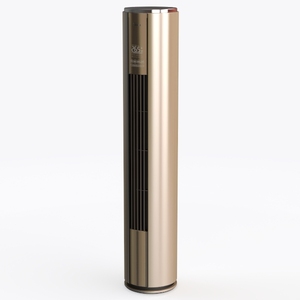
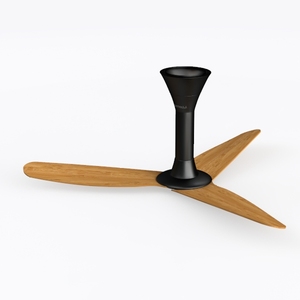
Modern Black Metal Bamboo Ceiling Fan 3D Model

Minimalist Beige Wall Mounted Air Conditioner 3D Model
Homestyler is your go-to online home design platform, perfect for bringing your visions to life. With its user-friendly design tool, stunning 3D renderings, a wealth of design projects, and engaging video tutorials, transforming your space has never been easier or more inspiring!
Diseño ahora GRATIS
































