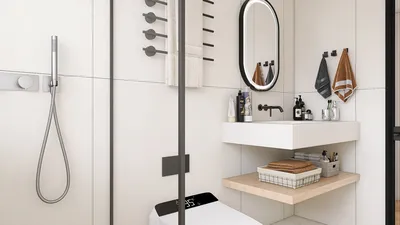


A compact recliner effectively resolves the ongoing challenge of balancing comfort and space. For more than a decade, I have recommended small recliners in various settings such as apartments, micro-lofts, senior living suites, and snug family rooms. The ideal selection can create a sense of generosity without overwhelming the space. The secret lies in combining exact measurements with ergonomic design, appropriate lighting, and suitable materials, ensuring that the chair enhances everyday activities like reading, streaming, and napping while optimizing every inch of the room.
While scale is important, functionality also plays a crucial role. According to WELL v2, a general ambient light level of 300–500 lux is suggested for living areas, with brighter task lighting for reading. Pairing a small recliner with a reading lamp providing 500–750 lux significantly reduces eye strain (WELL v2). In terms of ergonomic design, research from Herman Miller indicates that lumbar support that maintains the spine’s natural S-curve alleviates fatigue during extended sitting; for recliners, this means having a contoured lower back and an adjustable footrest to relieve pressure on the legs (Herman Miller Research).
Defining a Small Recliner
In practical terms, I aim for overall widths between 28 and 33 inches, depths of 32 to 36 inches, and back heights around 38 to 42 inches. Wall-hugger mechanisms can reduce rear clearance to 2–4 inches, compared to 8–12 inches for conventional recline arcs, which is critical for compact living spaces. When considering swivel-glider options, ensure that the rotation clearance is adequate: a full 360° swivel typically requires at least a 36-inch diameter area to avoid collisions with side tables or lamps.
Optimizing Room Layout
Begin with the circulation patterns. I maintain primary pathways at 36 inches wide and secondary paths at 28–32 inches. If your recliner reclines backward, map out the necessary arc. The leg rest often extends an additional 16–22 inches; ensure at least 6–8 inches of clearance in front for knees and ankles. When I am designing compact living spaces or studios, I frequently use a room planning tool like Homestyler to visualize layouts and check accessibility to outlets, lamp bases, and side tables without impeding movement.
Ergonomics That Matter
The seat height should ideally fall within the 16–18 inch range, allowing for flat foot placement and knees to be approximately at a 90° angle. A seat depth of around 19–21 inches is recommended; if it’s too deep, shorter users may lose lumbar support, while taller users may feel perched in a shallow seat. Armrests positioned 7–9 inches above the seat cushion aid in shoulder support without raising arm elevation. A headrest that tilts slightly forward enhances reading posture in a semi-reclined position, and a footrest that elevates the calves just above heart level can enhance venous return during longer periods of sitting.
Light, Color, and Comfort
Quality lighting can significantly enhance small seating areas. Ambient lighting should be set between 300 and 500 lux, complemented by a focused reading beam of 500 to 750 lux to minimize eye strain; it’s crucial to manage glare—use soft shades, matte bulbs, and strategic placement to avoid harsh reflections on glossy floors (WELL v2 guidance). Consider color psychology here: soft greens and mid-blues help create calming environments, while warm neutrals (like taupe and sand) keep smaller items visually grounded without adding weight. If the recliner is meant to serve as an accent piece, opt for a muted color palette and let the texture—such as bouclé or heathered weave—bring in visual interest while remaining proportionate.
Mechanisms for Compact Spaces
Utilizing wall-saver tracks, zero-clearance backs, and forward-reclining motions can be advantageous. Power recliners allow for minute adjustments in head, lumbar, and foot positioning, but make sure to manage cords effectively; position a grommet or floor outlet within 24–36 inches of the chair. Manual levers not only reduce bulk but also the footprint visually. Swivel bases are excellent for multitasking in open plans—allowing users to pivot toward the TV, conversation, or windows—but ensure you anchor the chair with a rug to prevent unintentional sliding.
Sustainability and Materials
In smaller rooms, texture becomes significantly more pronounced. Performance fabrics with over 30,000 double-rubs keep small recliners looking fresh; for families, tight weaves resist pilling and snagging. Breathable materials help avoid heat accumulation during prolonged use. For a visually lighter appearance, select low-sheen finishes and slender arms. In the case of leather, semi-aniline offers a balance of durability and softness, while full-aniline leather appears richer but requires more maintenance. Sustainability-conscious clients often opt for kiln-dried hardwood frames, CertiPUR-US foam, and water-based adhesives to lower VOC emissions; these selections ensure better indoor air quality and enhance the chair’s longevity.
Acoustic and Behavioral Comfort
Small living areas can amplify sound considerably. Incorporating soft arm caps, fabric upholstery, and a rug under the recliner helps dampen mechanical noises from swivels and footrests. Position the chair away from reflective surfaces such as glass windows or bare walls to keep conversations and TV sound warm. From a behavioral standpoint, I align recliners with sightlines: an offset of 25–35° from the TV reduces neck strain during group viewing, and a position near natural light supports quick rejuvenating breaks.
Spatial Ratios and Balance
To prevent a ‘chair-as-boulder’ effect, maintain space around the recliner of at least 4–6 inches from walls and 2–3 inches from side tables. If incorporating two small recliners, arrange them across a coffee table with a reach distance of 16–18 inches for easy access to drinks and remotes. A slender floor lamp positioned behind and to the side maintains vertical rhythm, whereas a low-back sofa directly opposite maintains sightlines and ensures the recliner feels proportionate.
Measurements Before Purchase
Take note of three measurements: closed footprint, full recline footprint, and the path from the entryway to the chair’s final location—considering doors, stair turns, and elevators. A chair width of under 33 inches generally fits through most standard apartment doors, but shipping may add 2–4 inches, so always confirm boxed sizes. If the recliner arrives in separate parts (e.g., the backs removed), it simplifies transportation; consider assembling it in the desired location to avoid damaging walls.
Power vs. Manual for Smaller Spaces
Power recliners provide precision and ease for users with reduced mobility; however, they require careful cable management and tend to be heavier. Manual recliners are more cost-effective, involve fewer potential issues, and often provide a cleaner appearance. In studio apartments, I generally recommend a power recliner as the primary seat while selecting a manual one as a secondary option to balance noise, wiring, and aesthetic considerations.
Styling Your Small Recliner
Ensure your accessories are appropriately scaled: a side table measuring 17–20 inches with a slender pedestal, a compact reading lamp with a low-glare shade, and a soft throw to introduce texture. Opt for a mid-sized rug (5×7 or 6×9) to delineate the seating area without obstructing pathways. If the recliner has a bold pattern, choose a subdued rug; conversely, if the recliner is in solid tones, introduce a subtle pattern on the rug to create a cohesive vignette.
Trends for 2024–2025
The demand for compact comfort is growing: features like narrower arms, integrated lumbar micro-adjustments, and textured performance fabrics are becoming prevalent. Earthy color tones—such as moss, clay, and oatmeal—pair well with dark bases and subdued stitching. Innovative power modules with soft-start motors and discreet USB-C ports are emerging as essentials; I remain careful to route cables cleanly to low-profile floor outlets.
Common Missteps to Avoid
Selecting by width alone can lead to operational issues; depth and recline arc are critical considerations. Disregarding light and glare can hinder a reading experience. Omitting measurements for delivery paths can transform a practical choice into an inconvenient obstacle. Excessive accessorizing around small chairs can clutter the vignette; simplify the design and let proportion guide your choices.
FAQ
For true wall-huggers, typically 2–4 inches should suffice. Standard recliners generally require 8–12 inches; verify with the manufacturer's specifications.
Aim for a task lamp producing 500–750 lux while ambient light should be in the range of 300–500 lux. Position the lamp slightly behind and to the side for optimal glare reduction.
The ideal seat height is between 16–18 inches, seat depth should be around 19–21 inches, and ensure it has supportive lumbar curvature. Armrests positioned 7–9 inches above the seat keep shoulders relaxed.
They’re typically heavier than manual models, but features like modular backs and meticulous delivery path planning can streamline the process. Strategically plan the cable routing within 24–36 inches to a floor or wall outlet.
Yes, provided you maintain a clearance of 36 inches in diameter and anchor the chair with a rug to prevent movement. Avoid placing it too closely to delicate floor lamps.
Look for tight weaves, low-sheen performance fabrics, and subtle textures such as bouclé or heathered blends. In leather, semi-aniline offers a good balance of durability and softness.
Position the recliner at an angle of 25–35° from the TV or focal point, ensure a distance of 16–18 inches to the table, and use a low-back sofa across from it to maintain sightlines and enhance visual openness.
Indeed, research indicates that maintaining the spine’s natural S-curve can alleviate fatigue. Opt for a recliner featuring shaped lumbar support or adjustable options for prolonged use.
Incorporate a rug beneath the chair, favor fabric upholstery over harder surfaces, and maintain distance from reflective walls or glass. Regular maintenance according to the manufacturer's guidance will also help with the mechanisms.
Soft greens, mid-tone blues, and warm neutrals work best. Keep contrasts subtle and let texture contribute visually to prevent the chair from appearing cumbersome.


Discover your design potential with Homestyler! This intuitive online platform offers a powerful design tool and stunning 3D renderings. Explore a vast library of design projects and enjoy helpful DIY video tutorials. Transform your home with ease and inspiration, no experience needed!
Diseño ahora GRATIS
































