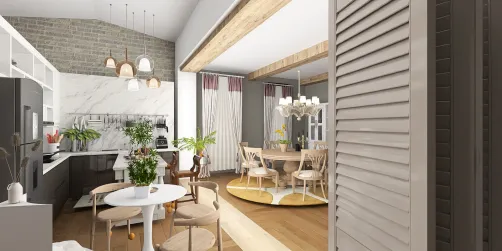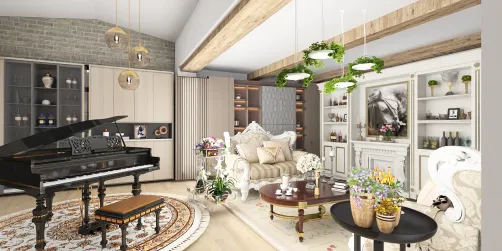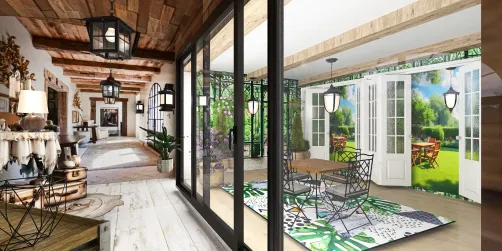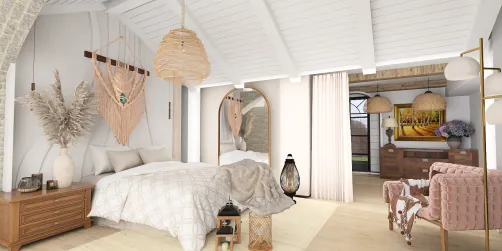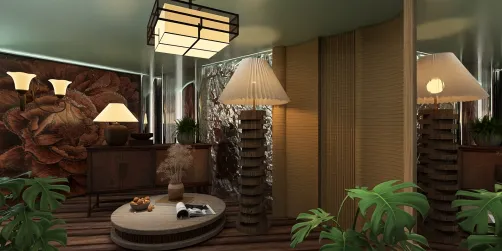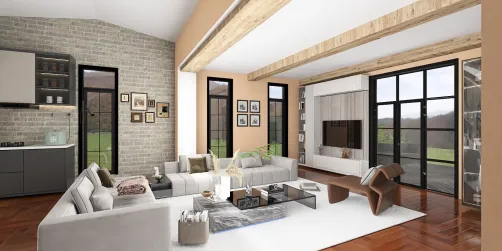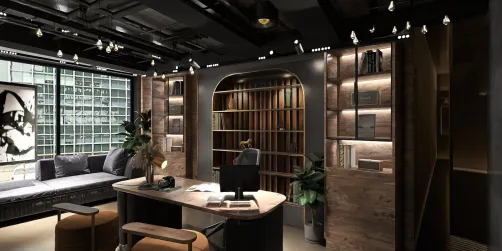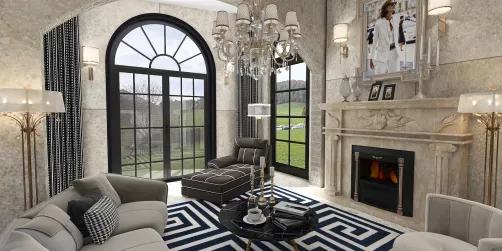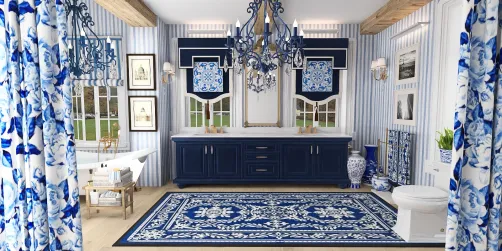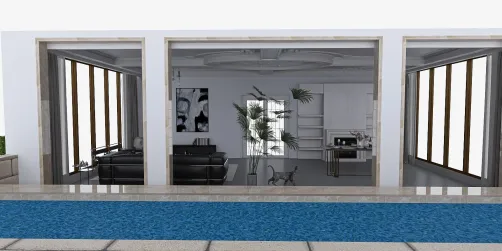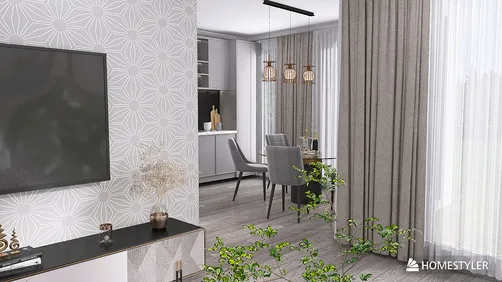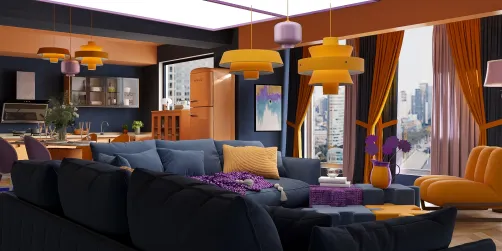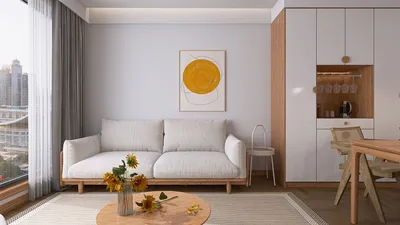
The future is knocking on our doors, revealing essential issues such as commute-living hybrids, fragmented schedules, and storage challenges that highlight the constraints of traditional two-bedroom layouts. The NAHB reports a growing interest in smaller spaces that prioritize multifunctional rooms, indicating a real-time upgrade in our domestic operational systems. I interpret a two-bedroom setup as a symbol of versatile identity, where primary and secondary areas accommodate various lifestyles. Utilizing tools like Homestyler can aid in visualizing such adaptable designs.
spatial reasoning toolkit
Split-Core Layout with Micro-Hub
Design Logic: This layout features two equal bedrooms flanking a central living core, acknowledging future hybrid work needs that warrant a micro-hub at the center to facilitate focus and social interaction. Users can effectively leverage design software like Homestyler to create this dynamic space.
Flow: The sequence moves from entry to micro-hub, then to living area and kitchen before reaching the bedrooms; a streamlined process akin to a task scheduler that prioritizes focused work followed by relaxation.
Sightlines: The design allows sightlines from the hub through to the living area, framed beautifully by a kitchen opening. Bedrooms are positioned as lower-priority zones, maintaining privacy much like background applications on a device.
Storage: A perimeter millwork design encapsulates the core; a vertical pantry alongside bed-drawer compartments promotes organization and keeps surfaces uncluttered.
Furniture Fit: Recommended pieces include a slim sectional (34–36" depth), a drop-leaf table, and 24" stools. Desks sized at 48" x 24" fit seamlessly into the micro-hub environment to prevent delays in workflow.
Verdict: This layout is designed to adapt to various activities—work bursts and social gatherings—while maintaining its form over the next five years as the blend of home office and relaxation continues to evolve.
save pinOpen in 3D Planner Processing...
Rail Loft with Pocket Flex Room
Design Logic: The linear axis stretching from the entry to the balcony functions like a progress bar, with the second bedroom serving as a flexible node adaptable to different uses such as a nursery, studio, or guest space.
Flow: The pathway flows from the door to the galley kitchen, along the extended living rail, into the pocket room, and finally leading to the primary suite; this organized pathway minimizes cognitive strain.
Sightlines: This design carefully reveals views from the kitchen to living area and beyond, while keeping the pocket room somewhat isolated to enhance privacy, creating a tiered interface experience.
Storage: A shallow wall bay (12–14") follows the rail, supplemented by tall closets and under-sofa drawers; storages are located near functional areas to reduce time spent retrieving items.
Furniture Fit: Furnishings must align with the rail concept, featuring a 72–84" sofa, a slim console (12"), and a wall-mounted desk. Bed sizes are limited to queen to maintain an efficient flow.
Verdict: The rail loft transforms a compact footprint into an adaptable corridor, allowing seamless transitions between parenting, creativity, and hosting activities.
save pinOpen in 3D Planner Processing...
Corner Suite with Diagonal Connectivity
Design Logic: An angled kitchen paired with a corner living room creates diagonal lines that facilitate quicker movement between tasks while also framing natural light elegantly.
Flow: The route progresses from entry through the angled kitchen node to the living area, then splits into a hallway leading to the bedrooms; these diagonals serve to condense travel times, similar to shortcuts in software.
Sightlines: The diagonal views provide layered perspectives: from the cooking station to windows and from the living space to the door; bedrooms remain as more private areas, akin to background processes.
Storage: Smart uses of odd geometries form corner pantries and triangular linens; these designs transform inefficient spaces into high-efficiency storages rather than leaving them as wasted opportunities.
Furniture Fit: Suggested pieces include a curved coffee table, modular sectional with wedge, and round dining tables (40–44"); the layout adheres to circulation guidelines for optimal accessibility.
Verdict: The diagonal connectivity not only ensures that the plan remains functional over time but also allows light and movement to harmonize daily routines with reduced friction.
save pinOpen in 3D Planner Processing...
Final Takeaway
The evolution of the two-bedroom floor plan signifies a shift from simple quantity to intelligent design protocols—interface spaces where work, care, and rest harmoniously interact without redundancy. Solutions like split-core hubs, rail lofts, and corner suites illustrate that adaptability trumps sheer size, and small design choices lead to broader living ease. From my perspective, the future's most innovative homes will not expand in size, but rather in purposefulness, especially when utilizing platforms like Homestyler for planning.
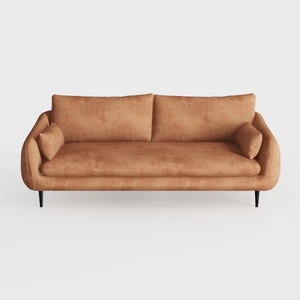

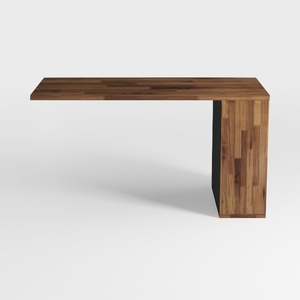
Homestyler is your go-to online home design platform. With its user-friendly design tool, stunning 3D renderings, and a plethora of inspiring design projects and DIY video tutorials, you'll effortlessly transform your home ideas into reality. Start your design journey today!