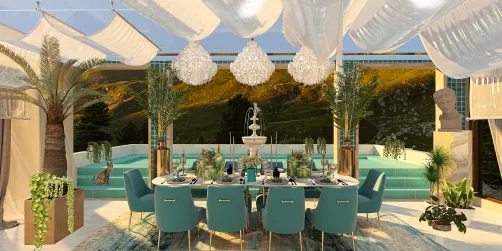
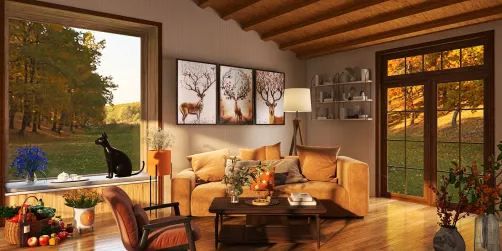
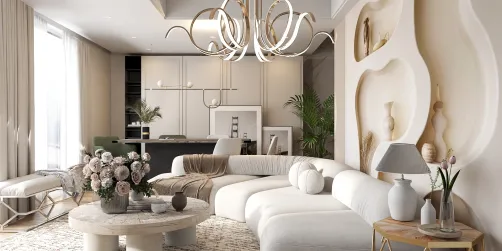
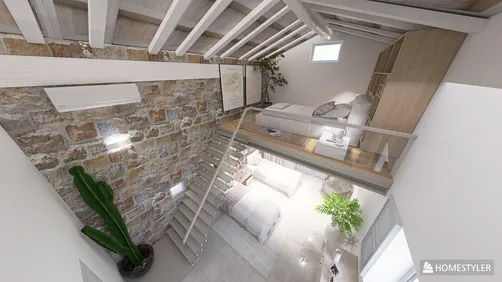
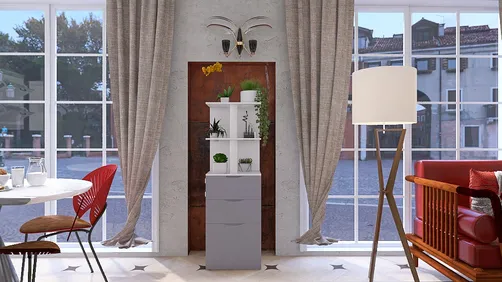
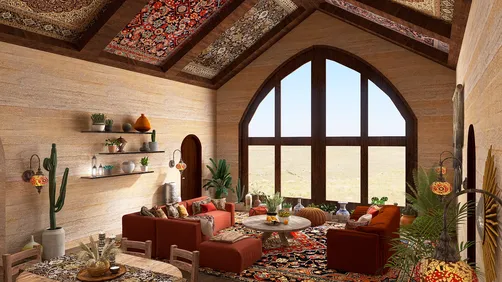
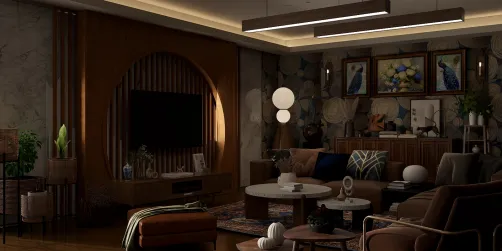
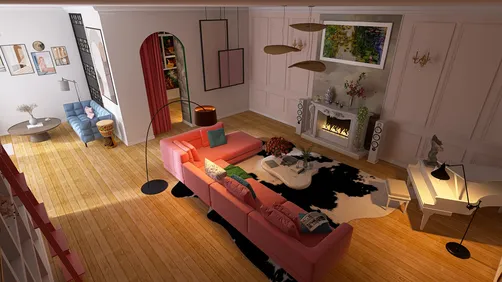
As we look ahead, the trend emphasizes movement, while the current challenge lies in the clutter that often fills our mobile living spaces. Both AIA and NAHB have highlighted an increasing preference for smaller, adaptable homes that can function like larger ones—indicating that portable homes are evolving into sophisticated operating systems. I view the layout of a travel trailer as the foundational code for a nomadic lifestyle, crafting it into a spatial toolkit for the forthcoming decade.
Front Lounge, Mid Galley, Rear Bath
Design Logic: Position the social area at the front, maintain the service core in the middle, and ensure privacy at the back—this modular design allows for easy adjustments in future road living.
Flow: From entry to drop zone, then to lounge, passing through the galley to a sliding door leading to the bath; it resembles a well-structured command sequence that prioritizes efficient access and nightly wrapping up of activities.
Sightlines: The lounge benefits from panoramic windows, while the galley's sightlines are angled to the exterior, and a frosted rear door contributes to a sense of depth without adding visual noise.
Storage: Overhead cabinets serve as primary storage, toe-kick drawers function as secondary storage, and a linen tower at the rear acts as archival cold storage.
Furniture Fit: A 68-72 inch jackknife sofa, 24-inch galley modules, and a 30-inch shower ring are designed to ensure that the aisle remains clear, ranging from 26 to 28 inches.
Verdict: A proven tri-zone layout that prepares for social engagements and personal retreats over multiple travel seasons.
save pin
Rear Bunk Pod, Corner Bath, Convertible Dinette
Design Logic: Families require a plan that supports simultaneous activities—sleeping, cooking, and working—without any conflicts; bunks facilitate sleep while the dinette transforms into an additional bed.
Flow: Entry flows to the pantry edge, leading to the galley, dinette hub, bunk pod, and corner bath, allowing for smooth movement without disturbing sleeping areas.
Sightlines: Adults can supervise children easily from the dinette to the bunks; the stacked windows provide a layered view: foreground featuring the table, mid-ground the galley, and distant view of the campsite.
Storage: Drawers under the bunks provide quick access to gear, while dinette seat compartments offer everyday storage solutions, and roof lockers accommodate seasonal items.
Furniture Fit: The dinette measures 40x72 inches and converts seamlessly; twin bunks are 28-30x72 inches; galley tops are 22 inches deep to maintain a 27-inch aisle.
Verdict: A compact plan that accommodates children turning in early while the dinette keeps evening activities flowing.
save pin
Front Bedroom with Pocket Door, Center Lounge Slide, Rear Gear Hatch
Design Logic: Nomads often transport equipment—whether bikes, boards, or kits—thus the layout treats gear as essential data; the rear hatch serves as a physical interface with the outdoors.
Flow: The journey starts from the entry, proceeds to the lounge slide-out, then along the galley spine to the pocket door leading to the bedroom; this design keeps dirty and clean paths distinct.
Sightlines: The lounge windows create a live view of the surroundings, while the bedroom maintains an axial perspective through the pocket door for a greater sense of space.
Storage: A pass-through basement accommodates larger items, bedroom wardrobes function as organized storage, and gear hatch cubbies act as interchangeable modules.
Furniture Fit: A 60x75 inch bed oriented east-west features rounded corners, with a 70-inch sofa included in the slide-out, and a fold-down gear bench standing at 16 inches in seat height.
Verdict: This is a traveler’s workspace subtly combined with comfort—ideal for extended periods away from home while maintaining spatial order.
save pin
Final Takeaway
The layout of a travel trailer transcends the idea of a mere box—it's an interface that integrates mobility, relaxation, and work into a cohesive system. With intelligent alignments and well-thought-out sightlines, these mobile homes can rival fixed apartments, offering features such as convertible dinettes and dedicated gear storage. The design principles of long-haul camping and compact RV interiors are simply variations of the same concept. In my experience, making thoughtful spatial choices—like ensuring clear pathways, modular storage solutions, and accurate furniture sizing—significantly enhances how my clients experience life on the go, and tools like Homestyler can aid in visualizing those designs effectively.
Homestyler is your go-to online home design platform! With its user-friendly design tool, stunning 3D renderings, and a treasure trove of inspiring design projects and video tutorials, transforming your space has never been easier. Unleash your creativity and start designing today!