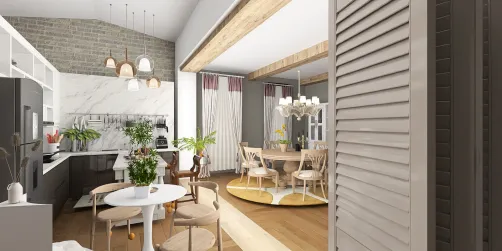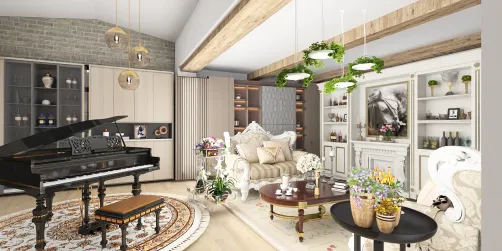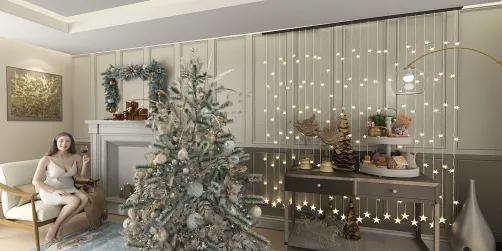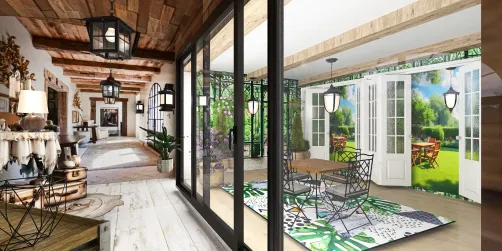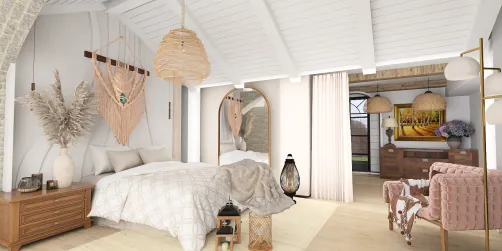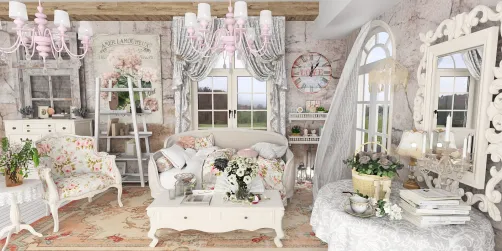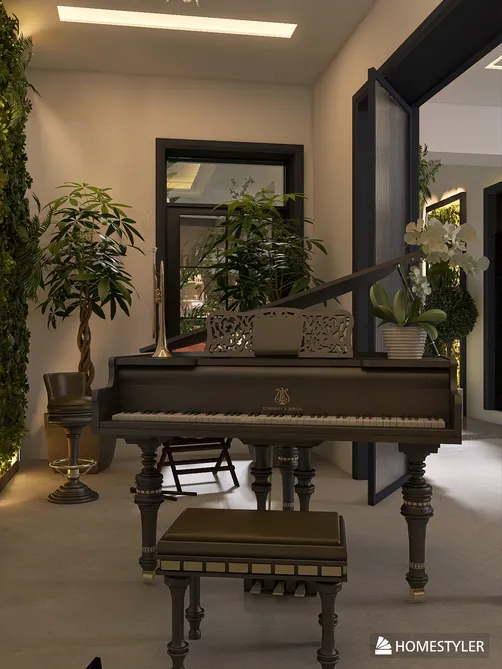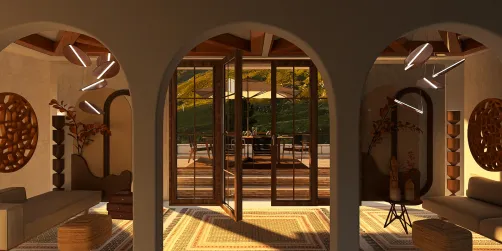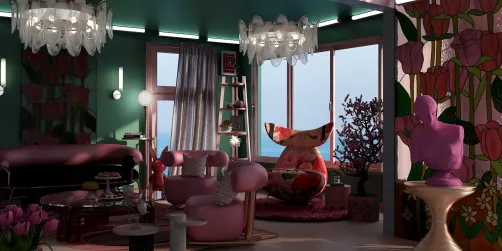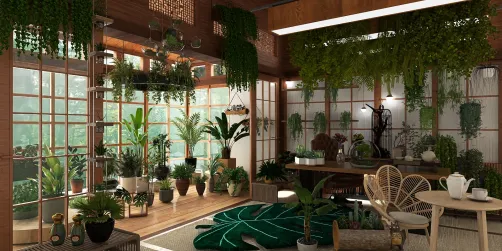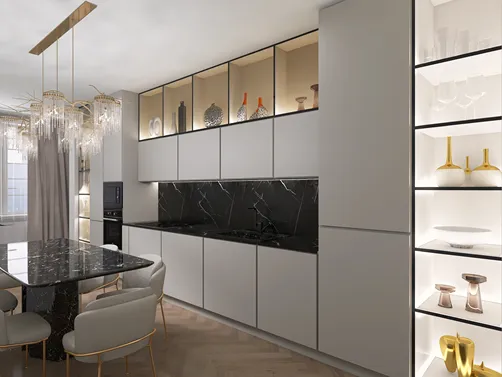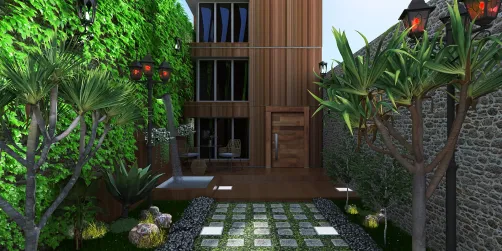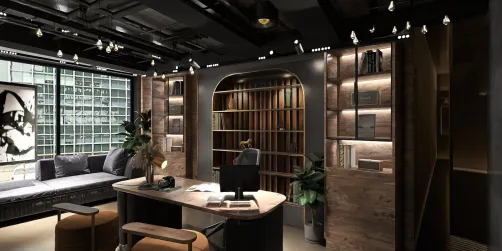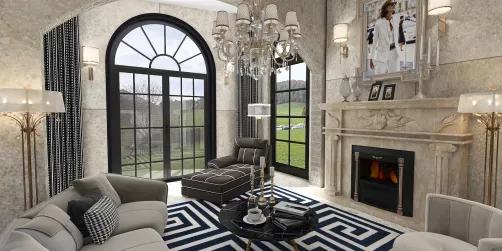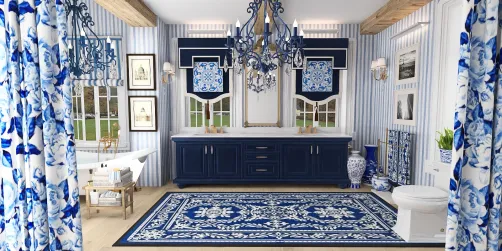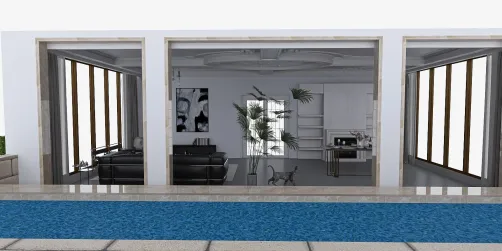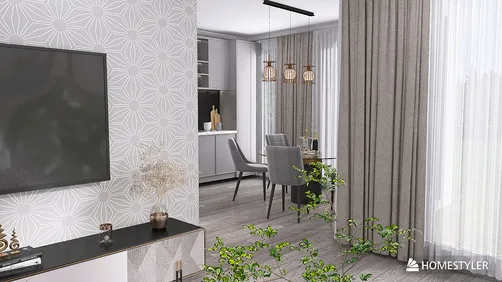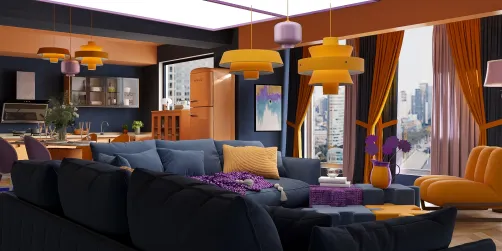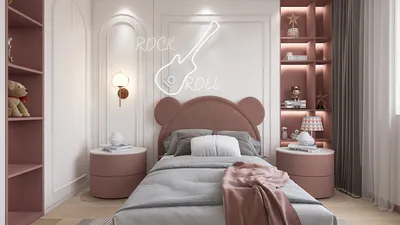
As the demand for space decreases, our approach to design becomes more precise. The National Association of Home Builders reports that since 2020, the average size of new homes has been declining, prompting us to consider how we utilize space similarly to software. Today, ultra-modern small house floor plans represent not just designs but the behaviors they encapsulate within walls. By envisioning future routines, I am already pushing the limits of today’s capabilities, constantly adapting to new challenges.
spatial reasoning toolkit
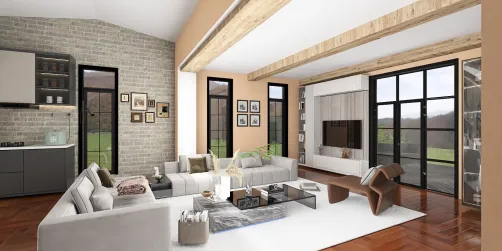
Studio Core with Sliding Program
Design Logic: This space features a singular open area that transitions between day and night settings through pocket doors, merging minimalism with adaptability. Life in the future favors flexibility over static rooms.
Flow: The layout seamlessly transitions from entry to utility wall, kitchen rail, lounge pad, and sleep bay—akin to a script that shifts contexts effortlessly.
Sightlines: A low storage horizon combined with a high clerestory maintains a clean interface, allowing the eye to move effortlessly from preparation to viewing.
Storage: A full-height pantry alongside bed-base drawers ensures efficient, labeled storage for quick retrieval, minimizing delays during daily tasks.
Furniture Fit: With a 72-inch sofa, a 30-inch cafe table, and a queen platform bed, all dimensions adhere to a standard of clearance that supports smooth transitions between uses.
Verdict: This design will endure the next five years by minimizing distractions—enabling a single space to serve multiple functions without losing its clarity.
save pinOpen in 3D Planner Processing...
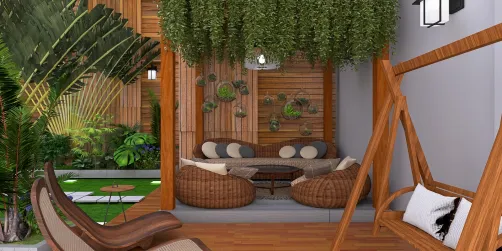
Micro Two-Zone with Courtyard Node
Design Logic: An L-shaped compact layout encloses a micro-courtyard, effectively extending the perception of space without increasing square footage.
Flow: The routine flows from the threshold through the kitchen spine, courtyard portal, flex room, and bath—a cycle that refreshes with each breath of fresh air.
Sightlines: A diagonal view from the entry toward the green core establishes a hierarchy, with secondary perspectives leading to well-lit spaces that stabilize focus.
Storage: A tall broom niche, overhead kitchen rail, and bench cache by the courtyard provide ample space for tools while avoiding clutter.
Furniture Fit: The design incorporates an 18-inch deep banquette, 24-inch stools, and a modular shelf with 12-inch adjustments, ensuring a crisp fit.
Verdict: The courtyard adds a dynamic aspect to this small house, enhancing the experience while being well-suited for social interactions and climate-adaptive moments.
save pinOpen in 3D Planner Processing...
Split-Level Capsule with Work Bay
Design Logic: A half-step elevation change distinguishes areas for work and rest, emphasizing cognitive zoning over additional square footage as we adapt to future lifestyles.
Flow: The sequence moves from the entry pad to a galley kitchen, rising 18cm to a work bay and descending to a sleep capsule, illustrating a harmonious task compilation without conflicts.
Sightlines: Attention is drawn to the work bay backsplash, with a release towards a high window—designing depth that manages focus akin to tabbed browsing.
Storage: Utilizing stair treads for storage, alongside a vertical peg grid and slim wardrobe, each item is designed for repeatable access.
Furniture Fit: The layout features a 48-inch desk, armless task chair, and 54-inch platform bed; compact dimensions maintain a lean and manageable design.
Verdict: This design anticipates the rise of hybrid workspaces—fostering productivity while allowing seamless transitions into relaxation in the shadowed capsule when work concludes.
save pinOpen in 3D Planner Processing...
## Final Takeaway
Ultra-modern small house floor plans are becoming less about the actual square footage and more about how these designs synchronize time, attention, and rejuvenation. In the context of compact home layouts and micro dwelling design, effective flow and storage operate like an efficient logic system, ensuring reliable everyday routines. Looking ahead, small house designs will be akin to clean code—streamlined, clear, and adaptable—while addressing long-term requirements like dedicated remote workspaces and outdoor connections seamlessly. My research indicates that the most intelligent homes of the future will not necessarily be larger but will focus on deliberate functionality—especially through tools like Homestyler to visualize and conceptualize these spaces.

Discover your dream home with Homestyler! This user-friendly online design platform offers an intuitive design tool, stunning 3D renderings, inspiring design projects, and helpful DIY video tutorials. Whether you're a novice or a seasoned designer, Homestyler makes it easy to create stunning spaces.