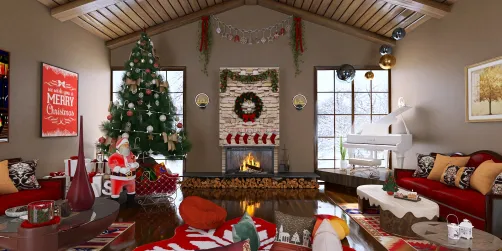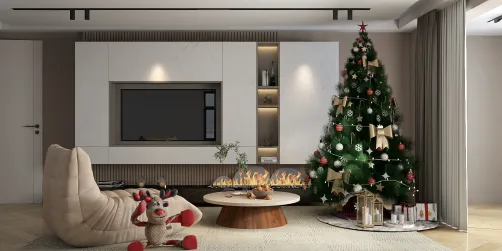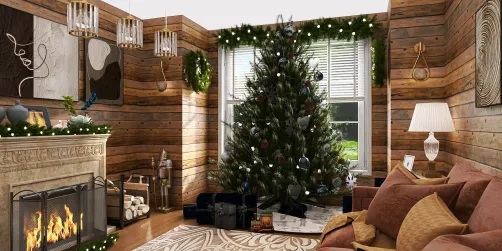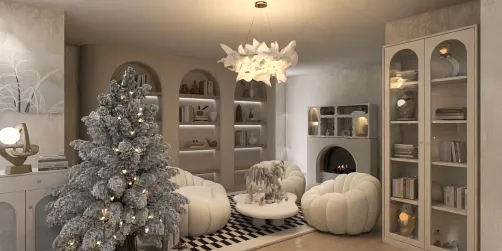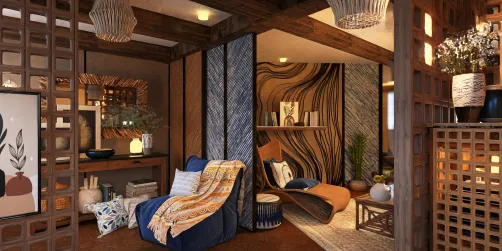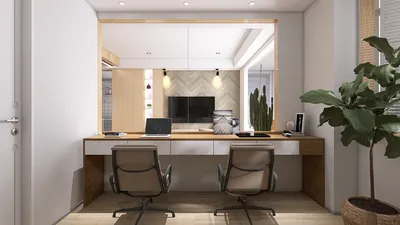
As we look to the future, resort designs must embody fluidity, be lightweight, and prioritize human experience. Presently, key challenges include disjointed circulation and insufficient storage that often gets overwhelmed during peak seasons. According to AIA, there is a rising expectation for flexible, multi-purpose spaces among homeowners, a trend that seamlessly aligns with the hospitality industry. Analyzing the Kerala resort's floor plan reveals an early blueprint for enhancing guest satisfaction where tradition and technology harmoniously interact through monsoon and sunlight. The integration of spatial reasoning tools creates a daily rhythm that prepares us for an increasingly connected future.
Lagoon Courtyard Spine
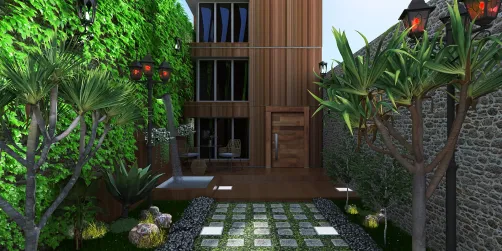
Design Logic: A linear walkway alongside a lagoon-facing courtyard organizes essential areas—lobby, tea pavilion, spa—allowing guests to navigate swiftly along a streamlined route. The interplay of climate, heritage verandas, and breezy waters converges into a singular, cohesive design.
Flow: Guests enter a shaded portico leading to the lobby, progressing along the courtyard axis towards staggered suites, culminating in a serene spa at the end; this layout is designed for easy navigation during high occupancy periods.
Sightlines: From the portico, multiple layers frame the view—coconut fronds, shimmering water, and pavilion roofs create a visually engaging experience while maintaining a sense of orientation that adds an element of intrigue.
Storage: Service areas behind the structure are equipped with racks for linens, food & beverage supplies, and housekeeping items, ensuring that service pathways run parallel to guest areas without interference.
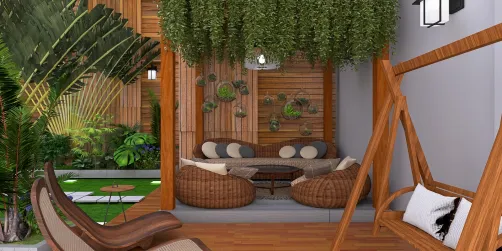
Furniture Fit: The design features slender teak benches, cane loungers, and adjustable low tables, with dimensions that honor veranda space and encourage airflow, functioning like a refined algorithm.
Verdict: The courtyard spine serves as a robust framework—future seasons, increasing visitor traffic, and wellness enhancements can seamlessly integrate without disrupting the established flow.
save pin
Monsoon-Ready Pavilion Grid
Design Logic: Pavilions constructed on a 6–8 meter grid, featuring elevated floors and wide eaves; managing water does not just pose a challenge, but serves as the foundation of the operation. Privacy units form a humane structure that adapts gracefully between storms.
Flow: From the lobby, visitors traverse a covered colonnade to branching pavilions, leading to semi-private gardens and a dining hall elevated above; guest pathways remain dry while service routes run through protected corridors.
Sightlines: Cross-views are thoughtfully arranged using perforated laterite and timber screens; visual layers transition from close textures to distant horizons, minimizing glare while providing directional cues.
Storage: Lockers tucked under eaves, drawers beneath beds, and discreet deck trunks, create localized storage options that minimize backtracking and keep suites organized for extended stays.
Furniture Fit: Pieces made from rattan and teak maintain airy profiles; specific constraints, such as chair arms limited to under 650 mm and daybeds aligned with the eave rhythm, ensure unobstructed movement during wet conditions.
Verdict: This grid system transforms monsoon conditions into a manageable factor; after five years, maintenance schedules and guest comfort remain significantly smoother.
save pin
Heritage-Meets-Wellness Loop
Design Logic: A loop integrating Ayurveda rooms, a yoga deck, and a reading area promotes wellness as an everyday practice rather than a mere addition to the experience.
Flow: The journey from suite to shaded pathways, with stops at tea stations and the yoga deck, leads through therapy pods and plunge courts before returning via the library, creating a cyclic experience that encourages repeat rituals.
Sightlines: Low-profile visual cues such as lamp niches and brass accents, intertwined with courtyard greenery, lead guests with subtle guidance, minimizing the need for signage.
Storage: Towel wells, herb cabinets, and mat niches are strategically positioned to create a distributed storage system, enhancing circulation while keeping visible clutter to a minimum.
Furniture Fit: Mat bay widths of 900 mm, therapy tables at a height of 750 mm, and benches formatted in 1.2 m sections all cater to ergonomic needs and enhance cultural appreciation.
Verdict: This loop functions as a gentle circuit; as wellness trends progress, modules can be adapted without disrupting guest navigation or the narrative of the resort.
save pin
Final Takeaway
The layout of a Kerala resort transcends mere room assignments and pathways; it emerges as a dynamic interface that is responsive to climate, cultural context, and the evolving requirements of future guests. With various spatial formats like courtyard spines, pavilion grids, and wellness loops, the design becomes a flexible structure that maintains its essence. From my experience, the innovative hospitality of the future will prioritize a lightweight feel, intentional connections, and strong local ties—all of which are essential for a truly human-centered interface, similar to the offerings of platforms like Homestyler.

Homestyler is the ultimate online home design platform for anyone looking to transform their space effortlessly. With its user-friendly design tool, stunning 3D renderings, a plethora of design projects, and informative video tutorials, you’ll have everything you need to unleash your creativity and design your dream home!