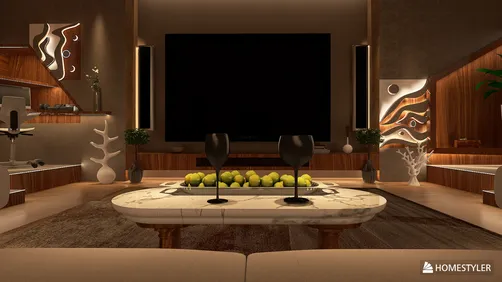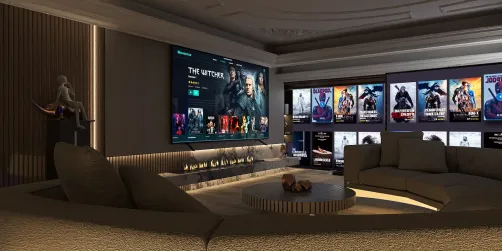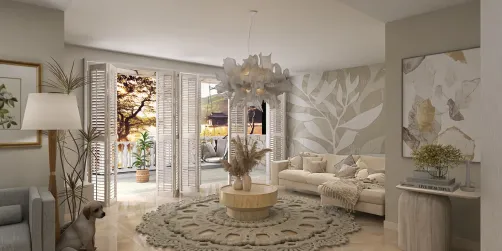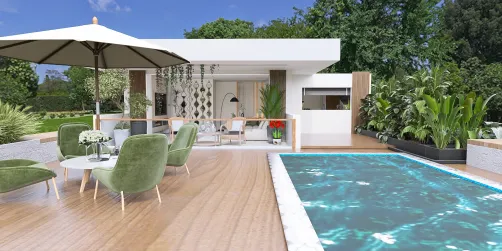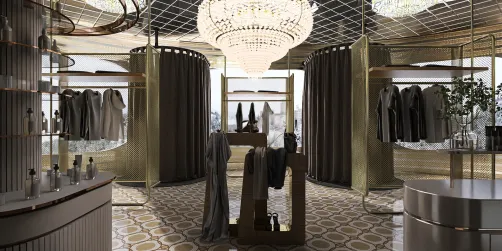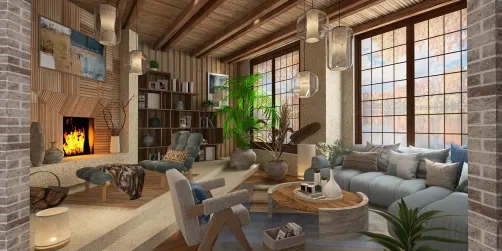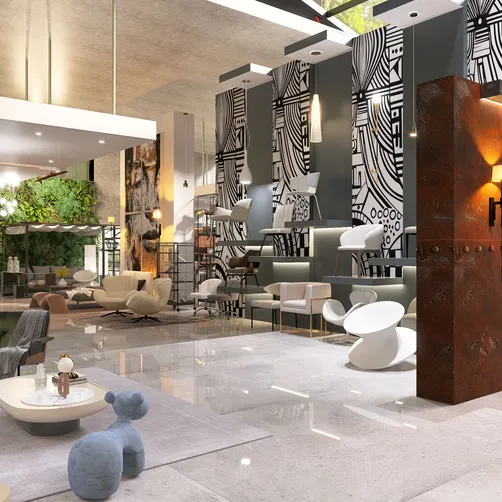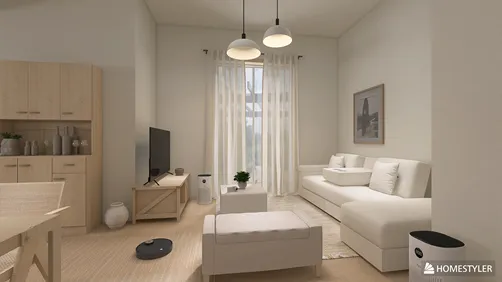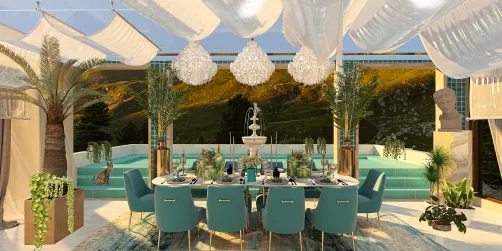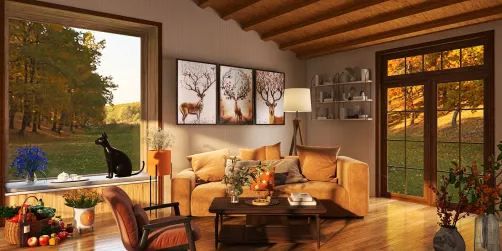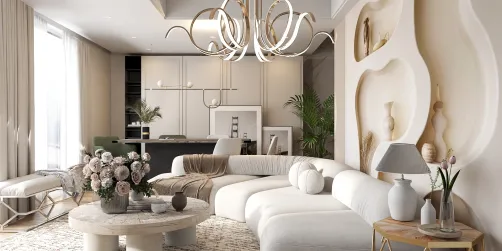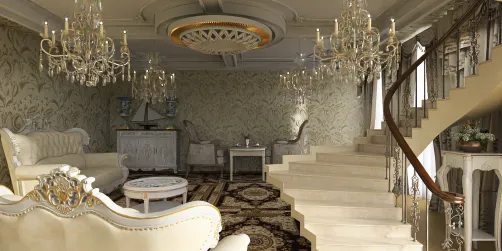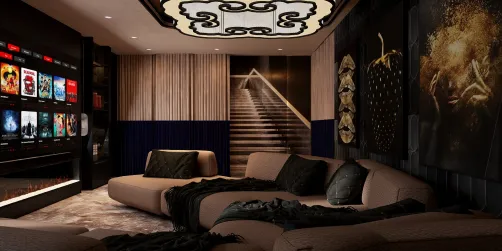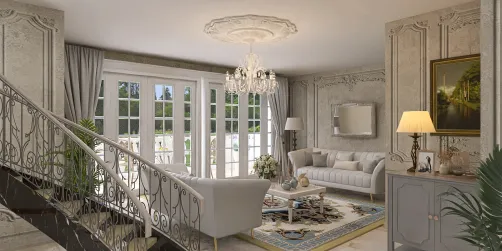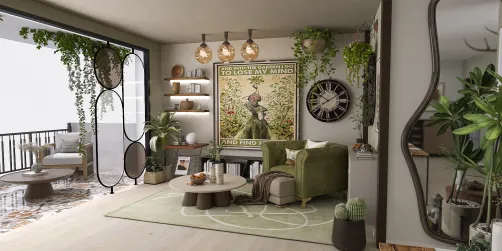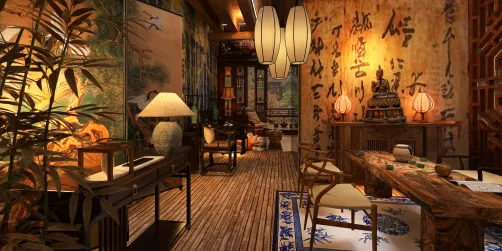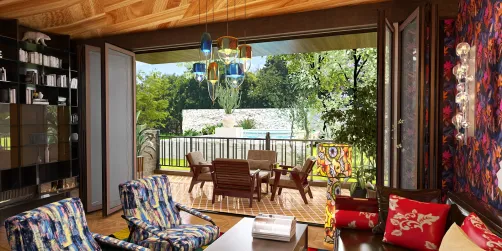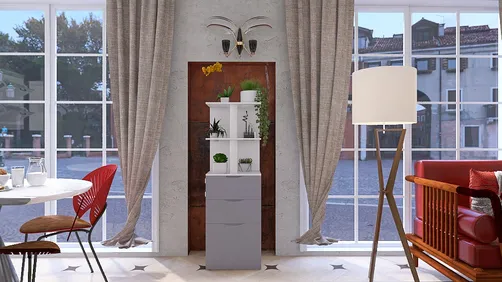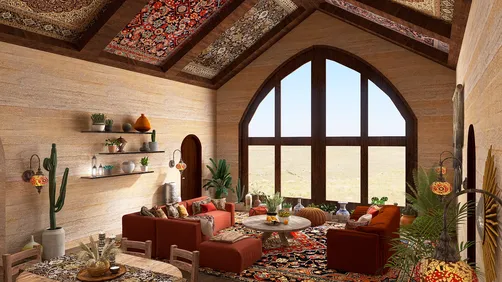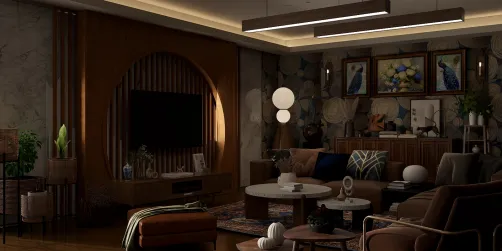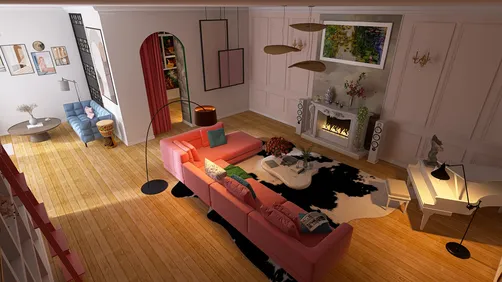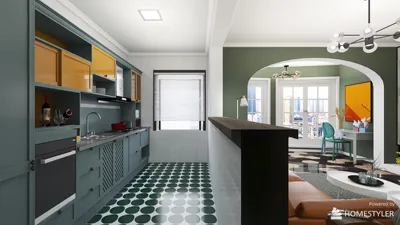
As we look toward the future, it's clear that living arrangements are evolving into modular concepts. However, many existing homes continue to struggle with challenges such as zoning issues, noise transfer, and thermal bridges, which often make container living feel less inviting. According to AIA, there is a persistent demand for flexible layouts, indicating that adaptability, rather than mere size, is what enhances a home's value. When I explore container home floor plans, I see them as early indicators of our future living habits: streamlined designs, intentional living, and fewer overlooked spaces. Using a tool like Homestyler helps me visualize these units, transforming the limitations of steel into practical and livable designs.
Long-Box Studio: 40’ Single Container, Split-Core Wet Zone
Design Logic: This design utilizes a single elongated volume, structured like a command line; the bathroom and kitchen are centrally located while the ends are designated for relaxation and socializing. Future modular designs will benefit from compact plumbing systems and effective thermal zoning.
Flow: Upon entering, you'll find a galley kitchen that seamlessly transitions into the living area, ultimately leading to the sleeping space; daily routines can flow smoothly without interruptions.
Sightlines: The structure features full-length glazing that establishes a primary visual line, while strategically placed millwork maintains a clear layout while concealing infrastructure.
Storage: Innovative solutions like toe-kick drawers, a tall pantry, and a bed platform provide ample storage for seasonal items without cluttering the visual space.
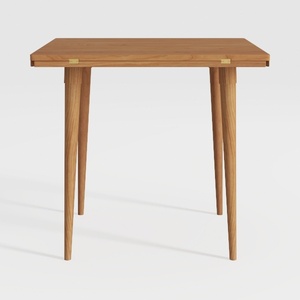
Furniture Fit: The design includes 24" counters, a 72" sofa, and a wall-mounted drop-leaf table—ensuring that all elements fit within narrow confines efficiently.
Verdict: This minimalist design is energy-efficient, durable, and ready for future module additions over the next five years.
save pin
L-Shaped Duo: Two 20’ Units with Courtyard Notch
Design Logic: The L-shape transforms exterior space into usable interior area; the notch created serves as a micro-courtyard, enhancing light access, privacy, and natural cooling—a new standard for wellness.
Flow: Entering opens to the living area, flowing into the kitchen and rotating towards the bedroom; the courtyard provides an unobstructed passage for outdoor activities.
Sightlines: Diagonal views across the L-shape make the environment feel dense yet accessible: lush greenery in the foreground, extending views to the horizon, with doors cleverly hidden in shadowed areas.
Storage: A main storage solution is integrated into a corner wardrobe, complemented by a weatherproof bench in the courtyard and a vertical bike rack for easy access.
Furniture Fit: A 72" table connects kitchen and living spaces, with a queen bed featuring built-in nightstands, and compact lounge chairs stowed under the window frame when not in use.
Verdict: This layout is perfect for couples or remote workers, as it maximizes functionality without unnecessary bulk; it feels more spacious than its metrics suggest.
save pin
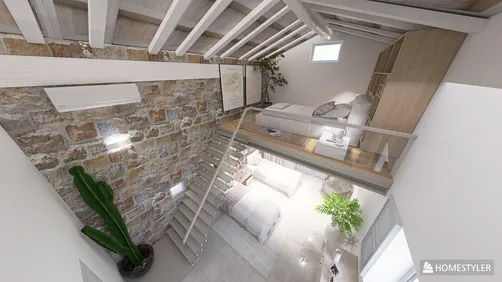
Stacked 2-Bed: Two 40’ Containers with Offset Core
Design Logic: The stacking approach creates a double-height space over the staircase; modern families require both sound separation and communal areas—a balanced integration.
Flow: At the ground level, you'll find an entryway leading to the kitchen and living room; the staircase acts as a central hub, guiding you to two bedrooms on the upper level along with a flexible working area.
Sightlines: From the entryway, the staircase void is immediately visible, branching out to cozy rooms; expansive glazing captures the sky, serving as visual markers for natural rhythms.
Storage: Includes deep storage under the stairs, a vertically organized laundry wall, and overhead cabinets aligned for structural consistency.
Furniture Fit: Features a modular three-seat sofa, a compact 30" desk in the flex area, and convertible beds, complying with space-saving designs.
Verdict: This configuration anticipates future needs such as hybrid learning environments, quiet workspaces, and adaptable sleeping arrangements—designed to evolve with modern lifestyles.
## Final Takeaway
When considering container home floor plans, the focus shifts from just fitting into a steel structure to curating a lifestyle that evolves alongside its inhabitants. Features like modular designs, adaptive micro-courtyards, and multi-level configurations allow the home to function as a responsive entity. Variations such as '40’ container layout' or 'two-bedroom container design' show that limitations can indeed foster creativity. In my experience, the most intelligent homes of the future will not necessarily be larger; they will simply be designed with intention—like those visualized through Homestyler.

Discover the beauty of home design with Homestyler! This user-friendly online platform features an intuitive design tool, stunning 3D rendering, a plethora of inspiring design projects, and helpful DIY video tutorials. Transform your space effortlessly and unleash your creativity today!