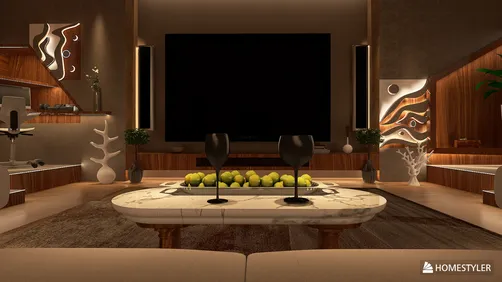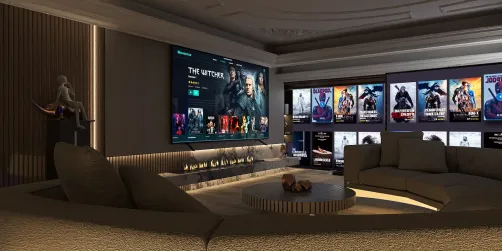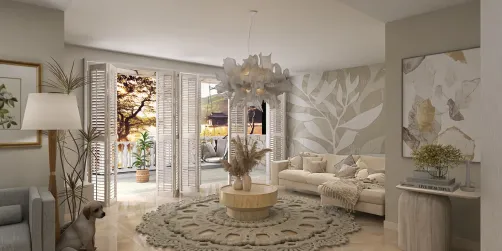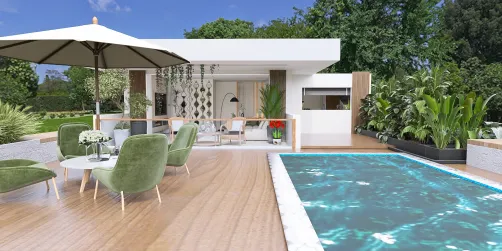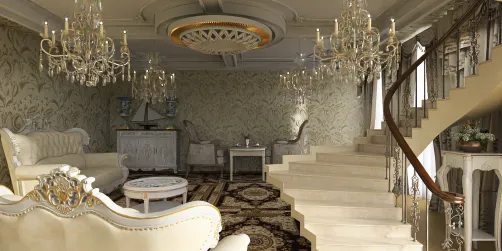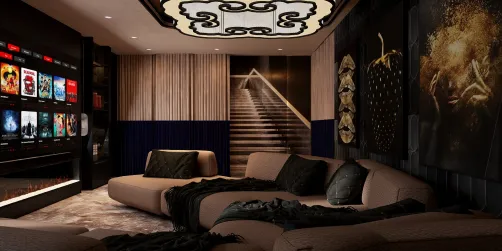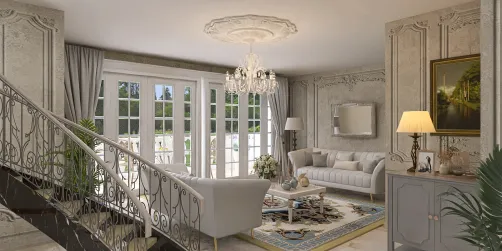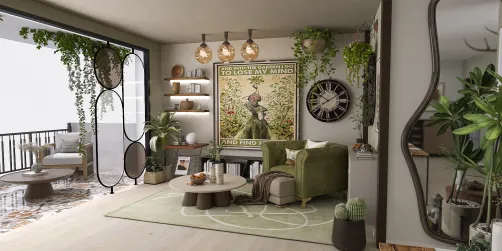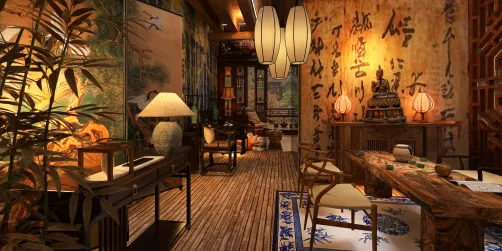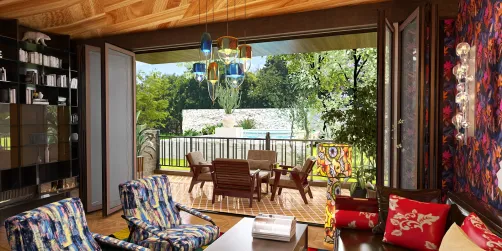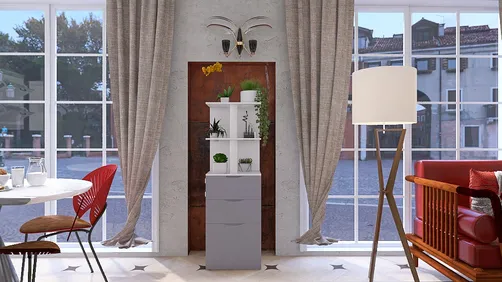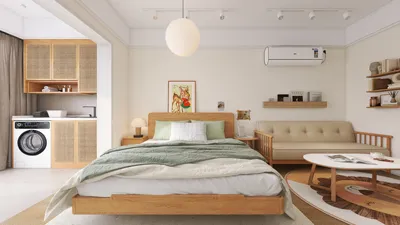
The future of residential living is focused on maximizing efficiency and enhancing clarity, yet many current apartment designs still need improvements in areas such as flow, storage solutions, and sound privacy. Recent insights from the AIA indicate that homeowners are reconfiguring their spaces to accommodate multi-functional usages. Additionally, data from Zillow suggests that smaller, thoughtfully designed floor plans yield better results, particularly when it comes to two-bedroom layouts that demonstrate practical advantages. The vision of future living is becoming clearer, and tools like Homestyler are paving the way for innovative interior arrangements.
Rail-Core Spine with Split Bedrooms
Design Considerations: The central service spine, integrating kitchen, bathroom, and laundry areas, functions as the core processing unit; bedrooms are strategically positioned at opposite ends to ensure personal privacy and facilitate hybrid working environments.
Flow: The layout transitions smoothly from the entry point to the drop zone, continuing into the kitchen rail, and then into the living area, ultimately leading to the bedrooms. This design eliminates any unnecessary loops, ensuring a seamless experience.
Sightlines: Door-aligned openings are designed to stack in a way that resembles layers of an interface; from the entry, daylight flows through the living space while the bedrooms remain slightly hidden, providing a sense of privacy.
Storage: The design incorporates deep wall pantries and niche areas within hallways as primary storage solutions, while drawer units integrated into the beds serve as secondary storage options to minimize clutter.
Furniture Arrangement: A living space measuring 9-10 feet can comfortably accommodate a large 84-inch sofa paired with 30-inch side tables, while queen-sized beds are designed with 30-inch clearances to comply with space optimization guidelines.
Conclusion: This layout is ideal for couples or roommates, as the split-plan design effectively accommodates meetings, rest, and late-night calls without compromising on functionality over time.
save pin
L-Loop Social Core with Corner Flex
Design Considerations: Featuring an L-shaped living and dining area that encompasses a bright corner, the design transforms natural light into a dynamic element of the space, while a flexible room can adapt to serve as a nursery, studio, or small office.
Flow: The initial entry acts as a buffer leading into the L-core area, which has a hinge door connecting to the flexible room, allowing easy access to the bedrooms without interruptions.
Sightlines: The diagonal perspectives create an illusion of expanded space, similar to a wide field of view; the kitchen maintains visibility over social interactions while preserving tranquility in the bedroom areas.
Storage: The design features benches that incorporate storage drawers, alongside a 24-inch deep closet wall and overhead shelving, all crafted to ensure easy access and organized retrieval.
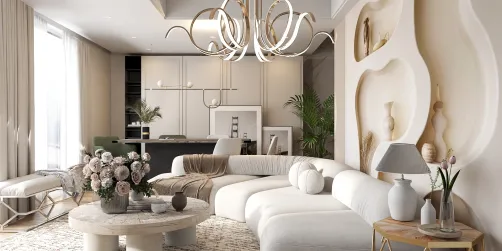
Furniture Arrangement: A round table measuring 42-48 inches softens the L-shape, complemented by a 75-78 inch sofa and a swivel chair that create a versatile area centered around a 30-inch table.
Conclusion: Families transitioning through various stages will appreciate this adaptable core, which allows for seasonal reconfiguration with minimal disturbance.
save pin
Gallery Entry with Pocketed Private Wing
Design Considerations: The gallery essentially acts as a welcoming corridor, guiding guests into the home. Pocket doors provide the option of privacy when demanded and can be opened up to create a more communal flow when preferred.
Flow: The path moves from the vestibule to the art gallery leading into the central living hub and finally to the private wing; this layout ensures that guests do not inadvertently enter sleeping quarters.
Sightlines: A long, well-lit gallery serves as an anchoring point for orientation; large windows frame the living space, resembling the controls of a sleek dashboard, while bedrooms are designed to retreat into a quieter atmosphere.
Storage: Tall cabinetry along the gallery serves as an organized storage solution, featuring shallow shelves that keep essential items accessible and in order.
Furniture Arrangement: A media wall spanning 9-10 feet accommodates displays between 65-75 inches; the main bedroom includes a queen bed plus nightstands, while the second bedroom can be adjusted to serve dual purposes as a twin bed or desk setup.
Conclusion: This design maintains a public atmosphere for entertaining while safeguarding the sanctity of sleep spaces—demonstrating functionality akin to a well-optimized operating system.
save pin
## Final Insights
Small two-bedroom layouts are not an indication of compromise; rather, they present highly efficient interfaces where dynamics of movement, storage, and natural lighting harmonize with our lifestyle needs for the coming decade. Variants such as compact two-bedroom configurations and micro-family spaces illustrate that effective planning holds more significance than sheer square footage. With streamlined circulation and appropriately scaled furnishings, even specialized requirements—like remote work or staggered sleep schedules—can be integrated without difficulty. My observation indicates that the most intelligent homes of the future will not necessarily be larger, but rather more purposefully designed, as demonstrated by platforms like Homestyler that visualize these innovations.

Discover your creative side with Homestyler, the ultimate online home design platform! Featuring an easy-to-use design tool, stunning 3D renderings, inspiring design projects, and helpful video tutorials, it's perfect for both novices and seasoned designers. Transform your home ideas into reality effortlessly!