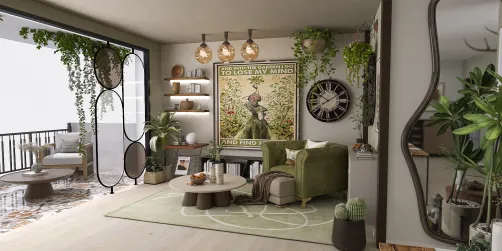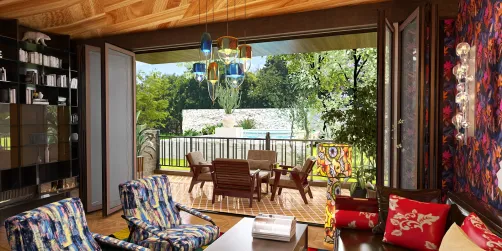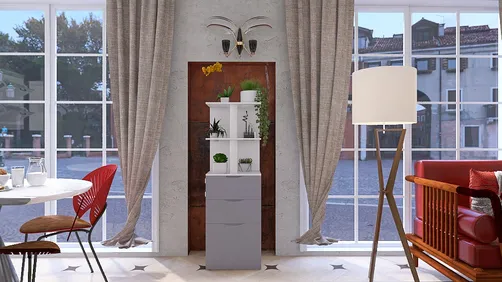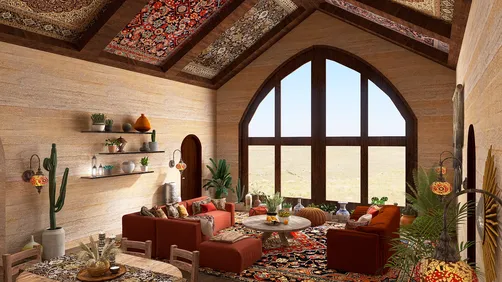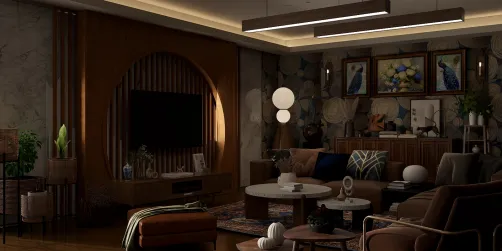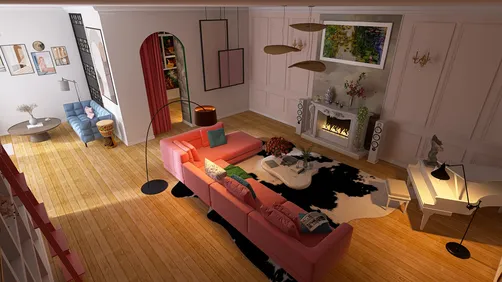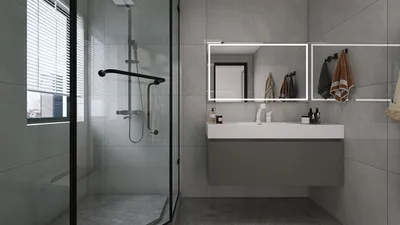
The future continues to loom large; today’s cottages must adeptly navigate tight budgets, the shift towards remote work, and the mounting need for storage solutions with a sense of quiet elegance. According to AIA, there is a persistent demand for adaptable home office spaces, while Zillow reveals that homebuyers prioritize layout efficiency over sheer square footage. This perspective positions cottage floor plans as foundational elements for a more tranquil and densely organized future. I view these spaces as user interfaces where individual rooms serve as modules and transitions function like permissions—my clients consistently experience a reduction in latency as the design materializes. Enter the spatial reasoning toolkit, enhanced by tools like Homestyler.
Porch-Core Linear Cottage (24' x 48')
Design Logic: The cottage features a front porch designed as both a thermal and social buffer, followed by a linear arrangement that includes living areas, kitchen, and bedrooms — all optimized for compact lots and variable climates.
Flow: The sequence begins at the entryway, transitioning through a mud space, leading to the living area and a galley kitchen, followed by a pocket office and a split bath, culminating in the primary bedroom. This structured flow minimizes distractions.
Sightlines: The entry door aligns perfectly with a wall of windows, and the pass-through section of the kitchen frames the porch, maintaining unobstructed sightlines akin to a clear user interface header.
Storage: Features such as toe-kick drawers, bench cubbies, and an attic hatch contribute to a layered storage solution with easily accessible storage near the entry and less accessible areas up high.
Furniture Fit: This layout accommodates an 84–90" sofa, a 42" round dining table, and a 30" deep desk alcove, effectively preventing overcrowding and managing clutter.
Verdict: This design operates like a low-latency loop; even in five years, it remains adaptable—work-from-home areas may shrink, yet the porch will gain enhanced utility and shade while maintaining a steady rhythm.
save pin
Courtyard Pinwheel Cottage (32' square)
Design Logic: This layout features rooms that revolve around a planted light well, ensuring that future heat waves are met with effective cross-ventilation and natural light, operating seamlessly like a built-in failsafe.
Flow: Entering from the side leads to a drop zone, then the kitchen hub, with two rotating wings that accommodate sleeping and workspace, while a centralized bath minimizes unnecessary backtracking.
Sightlines: Diagonal views towards the courtyard serve as visual notifications; the glazing creates distinct layers, including the nearby garden, mid-height walls, and a clear view of the sky, providing a hierarchy devoid of distractions.
Storage: Perimeter millwork functions as a ring buffer with a deep pantry, linen storage, and files hidden under the bench, with any overflow neatly tucked away in a concealed loft bay.
Furniture Fit: The design allows for a 60" kitchen island with ample clearance, alongside a queen-sized platform bed with 24" of egress space, ensuring every piece contributes positively to the overall layout.
Verdict: The pinwheel design remains versatile; adding a second workspace, a crib, or recreational equipment can be accommodated without disrupting the core calm of the space.
save pin
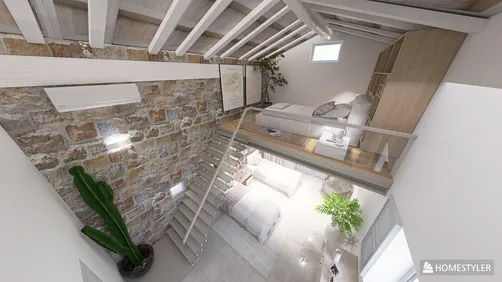
Split-Gable Micro Cottage with Loft (18' x 30')
Design Logic: The structure incorporates a tall volume that divides for natural cooling through stack effects, featuring a lofted sleeping area; this creates a compact yet energizing atmosphere.
Flow: A mini porch leads into a living area, followed by a ladder to the loft and a back wet core, creating a vertical layout that guarantees quick access to privacy.
Sightlines: From the sofa, the gaze rises to the ridge window, while the kitchen sightline directs attention to the back garden, offering a harmonious balance between immediate tasks and distant vistas.
Storage: Incorporates drawers in the stairs, 10" wall rails, and under-bed bins; this ensures constant access to essential items while avoiding overload.
Furniture Fit: A 72" sofa, 24" stools, and a 30" wall-mounted desk maintain clear circulation of 32–36" to allow for fluid movement through the cottage.
Verdict: In five years, this space will adapt to hybrid work, weekend guests, and changing seasonal needs; the structure efficiently supports varied functions while allowing updates to individual sections.
save pin
Final Takeaway: Cottage floor plans reflect more than just nostalgia; they serve as efficient systems that enable families to live lighter and smarter. Variations such as small cabin layouts and tiny home designs demonstrate that even the tightest footprints can support daily rituals, professional work, and relaxation without interruptions. As diverse needs such as home office setups and aging-friendly designs evolve, the cottage remains a precise and responsive environment. In my view, the most advanced homes of the future won’t necessarily be larger; they will simply be more deliberate—potentially enhanced by tools like Homestyler.
Discover your dream space with Homestyler! This intuitive online home design platform offers a powerful design tool, stunning 3D renderings, and a wealth of inspiring design projects and video tutorials. Whether you're a beginner or a seasoned decorator, Homestyler makes it easy to transform your vision into reality.