


Quick Overview
- An exhaust fan is essential for any kitchen, improving air quality, comfort, and creating a healthier cooking atmosphere.
- Regular cleaning is advised: filters should be maintained monthly and the fan every 3 to 6 months based on how frequently it’s used.
- Selecting an appropriately sized fan for your kitchen area ensures optimal ventilation effectiveness.
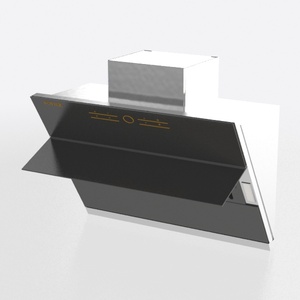
When striving for a clean and inviting kitchen, an exhaust fan is an indispensable appliance that is often overlooked. It effectively removes smoke, steam, and odors that can build up during cooking, keeping your kitchen a pleasant environment. Not only does it enhance air quality, but it also helps prevent moisture accumulation that can lead to mold and mildew growth. In this article, we will explore the numerous benefits of installing an exhaust fan in your kitchen, the various types available, and how to maintain it properly for maximum efficiency. One significant advantage of an exhaust fan is its capacity to improve air circulation. Cooking generates considerable heat and harmful particles that can make the kitchen uncomfortable. By utilizing an exhaust fan, you can easily ventilate the space, expelling hot air and allowing cooler air to flow in. This is particularly advantageous during hot summer months when cooking can create an oppressive atmosphere. Furthermore, an exhaust fan is vital for protecting your health. Cooking emits various airborne contaminants such as grease, smoke, and vapors, which can accumulate over time and contribute to respiratory problems. An exhaust fan aids in filtering these pollutants, fostering a healthier living space. Many contemporary exhaust fans come with specialized filters designed to capture grease and other harmful particles, enhancing their effectiveness. There are multiple types of exhaust fans suitable for kitchen use, including wall-mounted, under-cabinet, and island hoods. Each variant boasts distinct features and advantages, so it's crucial to select one that aligns with your kitchen layout and cooking habits. Wall-mounted fans tend to be more powerful and can become striking focal points in your kitchen design, while under-cabinet models are more discreet and space-saving. Island hoods, conversely, offer an elegant solution for kitchens with central cooking islands. To ensure your exhaust fan maintains its efficiency, regular upkeep is required. This includes cleaning the filters and the fan itself to prevent grease buildup. Most filters can be effortlessly removed and washed, either by hand or in a dishwasher, depending on the material. It's also wise to periodically inspect the fan motor and ductwork to confirm there are no blockages that could impede airflow. In summary, an exhaust fan is not merely a luxury but a necessity for every kitchen. It bolsters air quality, enhances comfort, and promotes a healthier cooking environment. When selecting an exhaust fan, consider both its functionality and aesthetics to find the ideal match for your kitchen. Additionally, remember the significance of proper maintenance to ensure your fan functions seamlessly for many years, and tools like Homestyler can help visualize your kitchen design.
Tips 1:
Select the appropriate size fan for your kitchen space to guarantee effective ventilation.
FAQs
Q: How often should I clean my exhaust fan? A: It is advisable to clean the filters monthly and to wash the fan itself every three to six months, depending on usage.
Q: Can I install an exhaust fan by myself? A: While a DIY enthusiast might be capable of installing an exhaust fan, it is recommended to hire a professional for the best results.


Homestyler is your go-to online home design platform! It features a user-friendly design tool, stunning 3D renderings, a wealth of design projects, and helpful DIY video tutorials. Transform your home effortlessly and unleash your creativity—perfect for beginners and pros alike!
Diseño ahora GRATIS
































