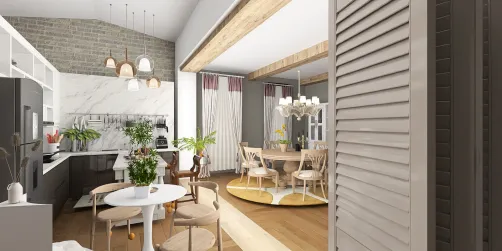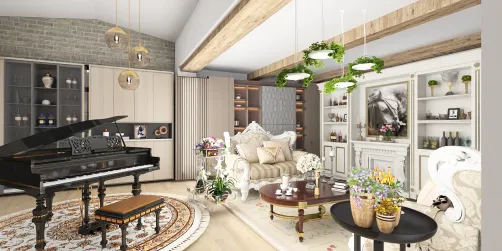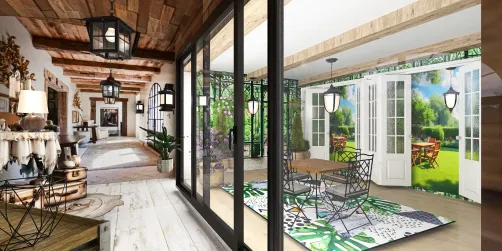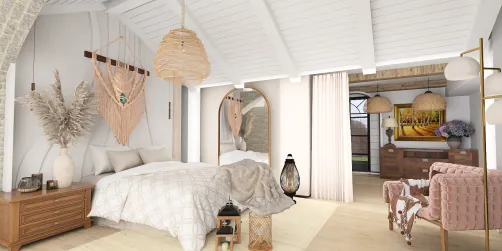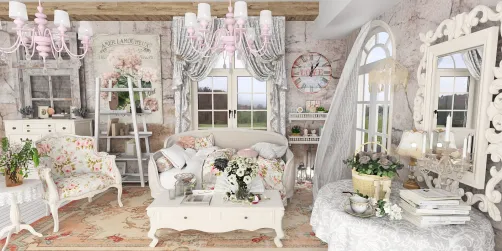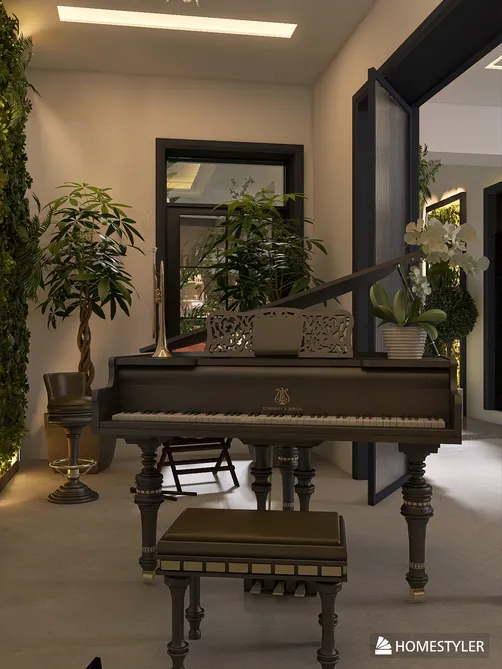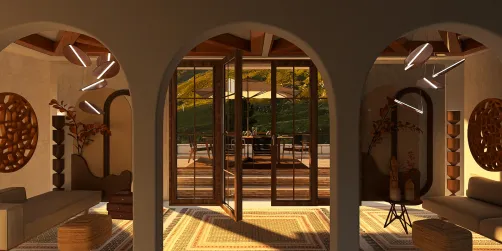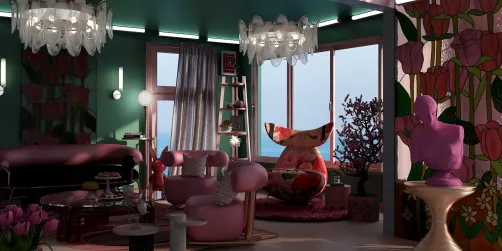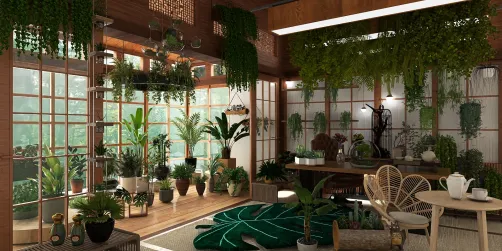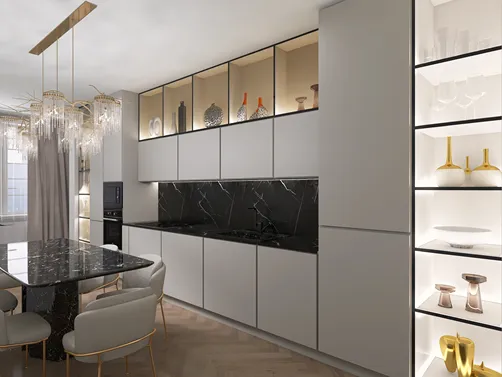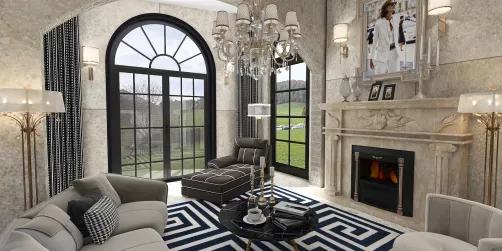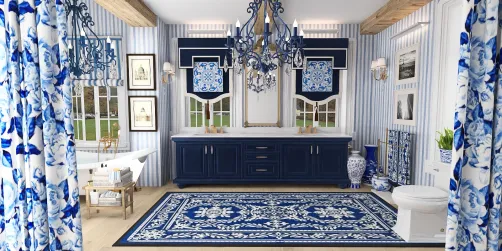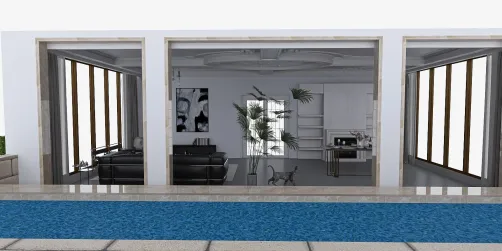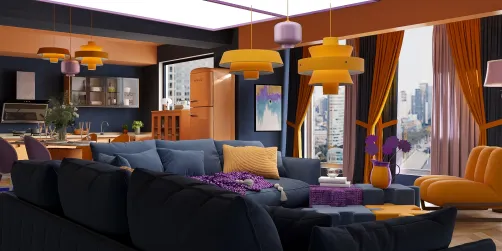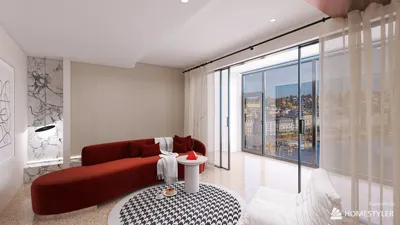
The future unfolds subtly through our home practices, revealing challenges such as heat, glare, and storage issues that inform our design needs for tomorrow. Observing a two-floor Kerala house layout feels like analyzing an early version of a resilient and ceremonial codebase, where the exterior serves as its interactive user interface. Recent data from Zillow indicates a rise in multi-generational living arrangements, driving the need for versatile designs that maximize functionality without expanding square footage. This is my interpretation of spatial reasoning, intricately linked with our climate and cultural needs, supported by tools like Homestyler, especially suited for accommodating coastal humidity.
Courtyard Spine + Shaded Verandah
Design Logic: The central courtyard functions as a cooling hub, while the verandahs shield against the sun and rain, seamlessly merging cultural elements with sustainable design principles for enhanced comfort in the future.
Flow: The movement through the space is fluid: entry → verandah → living area → courtyard → dining room → kitchen; upstairs, a loop connects the bedrooms, maintaining an airy circulation reminiscent of an efficient function.
Sightlines: The design offers layered perspectives: from the street to the verandah and finally into the lush courtyard; privacy is designed with gradations similar to user interface layers, with public areas at the periphery and private ones deeper within.
Storage: Integrated wall niches, seating areas beneath the verandah, and attic spaces above the staircase are thoughtfully arranged; storage is optimized for monsoon equipment and items for celebrations.
Furniture Fit: Elegant teak chairs, foldable charpoys, and modular pooja units are included; the design respects cross-ventilation and pathway clearance, aligned with Homestyler’s ergonomics.
Verdict: In five years, this design will effectively regulate heat while keeping ceremonial practices visible, creating a subtle system that enhances everyday life instead of consuming it.
save pinOpen in 3D Planner Processing...
Split-Mass Roofscape + Breezeways
Design Logic: The fragmented roof with ventilated ridges allows hot air to escape, ensuring that future energy demands decrease as the structure itself provides better insulation than many devices.
Flow: On the ground level, the layout includes: car porch → foyer → living room → dining area → service yard; upstairs moves through a bridge → family lounge → bedrooms, with breezeways functioning like non-blocking threads.
Sightlines: The paths of view skim under the eaves, pass through jaalis, and ascend into the tree canopy; the information hierarchy prioritizes shade first, then views, with no glare.
Storage: The design includes storage under the stairs, utility wall grids, and organized puja drawer stacks, designed to handle seasonal transitions and accommodate guest arrivals.
Furniture Fit: Features include slender consoles, deep window seats, and stackable stools; every piece aligns with airflow channels and cleaning routines as defined protocols.
Verdict: This roofscape operates like a thermal algorithm; after five years, energy costs will lessen, and evenings will be enjoyed under pleasant shade.
save pinOpen in 3D Planner Processing...
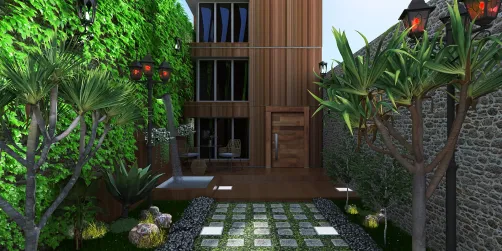
Front Elevation with Jaali and Laterite Texture
Design Logic: The permeable facade serves to balance climate control and cultural expression; the elevation acts as a translucent screen—inviting fresh air, moderating exposure, and conveying hospitality.
Flow: The movement sequence at the entrance unfolds: gate → forecourt → step onto the verandah → main door; each transition mitigates noise akin to carefully staged commits.
Sightlines: The perforated panels create captivating shadow patterns; symmetry ensures a balance of style and subtlety, avoiding an intrusive presence.
Storage: Features like shoe niches, rain gear lockers, and alcoves for deliveries are included; storage nodes are strategically placed to maintain order without cluttering the main areas.
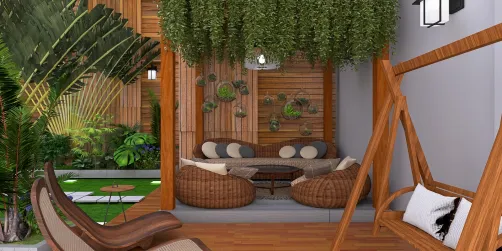
Furniture Fit: The design incorporates low seating benches, swings hanging from the verandah beams, and compact planter railings; every aspect is designed in consideration of eave heights and drainage lines, adhering to effective engineering principles.
Verdict: After five years, the elevation will remain clear and inviting, culturally warm, thermally resilient, and prepared for the future without overt displays of modernity.
save pinOpen in 3D Planner Processing...
Final Takeaway
A well-conceived two-floor Kerala house floor plan and elevation should integrate climate responsiveness, cultural elements, and functional efficiency into one coherent design. Variants such as courtyard cores, breezeways, and jaali textures represent not just aesthetics; they are essential strategies for sustaining daily life. The enduring relevance of sustainable vernacular architecture will surpass the appeal of high-tech solutions, and from my perspective, the most advanced homes of tomorrow will not be large, but rather more thoughtfully designed, potentially using tools like Homestyler for enhanced visualization.
Transform your home with Homestyler! This innovative online design platform offers an easy-to-use design tool, stunning 3D renderings, diverse design projects, and helpful DIY video tutorials. Whether you're a beginner or a seasoned decorator, Homestyler makes your design dreams a reality effortlessly!