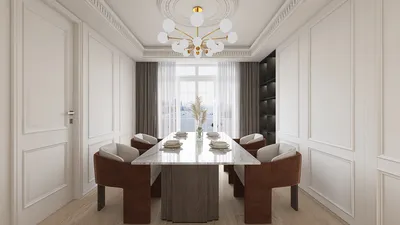


The term "Superior Room" generally refers to accommodations that exceed a hotel’s Standard category, providing additional enhancements in terms of space, comfort, and finishing touches without crossing into suite territory. In my designs, I categorize a superior room as one that offers a 10% to 20% increase in usable space, upgraded mattresses and linens, along with improvements in lighting and sound insulation. Guests appreciate the noticeable upgrades that impact their experience, including better sleep quality, clearer spatial layout, and a more tranquil ambiance.
Designers meticulously consider elements that contribute to relaxation and recovery. The WELL v2 standard highlights the importance of healthy light exposure and acoustic comfort as key components for promoting restful sleep. According to guidelines suggested by the Illuminating Engineering Society, hotel guestroom lighting should typically fall between 100 to 300 lux for ambient levels, with task lighting reaching 300 to 500 lux for reading purposes, all while reducing glare and disruption from blue light. Superior rooms often include layered lighting and enhanced blackout features, which significantly enhance the sleep experience. Research in workplace environments shows a strong link between comfort and productivity; for example, Steelcase found that spaces allowing control over lighting and seating position boost both satisfaction and perceived comfort—principles we directly apply to guest room design, where personal control options (like dimmers and reading lamps) greatly improve the overall experience. Homestyler can help in visualizing these lighting choices effectively.
In terms of psychology, color selection plays a crucial role. Research compiled by Verywell Mind demonstrates that cooler, desaturated colors (like soft blues and greens) can effectively lower stress levels, while highly saturated reds and oranges elevate arousal—suitable for lobbies but less favorable for sleeping environments. Superior rooms typically employ a soothing color palette with softer reflectance values (LRV 40 to 60 for walls) and warm white lighting (2700 to 3000K) to enhance relaxation during unwinding periods. Material choices also significantly impact the environment: robust flooring with superior acoustic underlayment, heavier drapery (with a NRC of 0.6 to 0.8 in combination with wall finishes), and upholstered headboards can greatly minimize reverberation that could disrupt sleep.
What You Can Expect in a "Superior Room"
While terminology may differ by brand, a superior room typically features:
How Superior Rooms Contrast with Standard, Deluxe, and Premium Options
Hotels adjust naming conventions based on their branding strategy, but typical distinctions are as follows:
Key Design Considerations for Superior Rooms
I focus on ensuring clear pathways from the entrance to the bed and windows, maintaining a minimum of 900 mm of space and 450 to 600 mm on each side of the bed for bedside accessibility. A luggage bench and a compact lounge chair can generally fit when the room dimensions exceed approximately 24–26 square meters. Utilizing a room layout tool can assist in visualizing corridor widths, bedside accessibility, and lighting placements before finalizing designs.
Lighting Approaches that Indicate "Superior" Quality
Effective lighting consists of three layers: ambient, task, and accent. Ambient lighting at 100–200 lux fosters a serene atmosphere; task lighting at desks and beside the beds should aim for 300–500 lux using precise optics to minimize glare; accent lights highlight artworks or textures without adding visual clutter. The color temperature remains warm (2700–3000K), ensuring a CRI of 90 or above near vanities for accurate skin tones. Providing dimmers and individual switches allows guests to customize their lighting experience—an effortless way to enhance perceived luxury.
Impact of Acoustics on Sleep Quality
Noise is one of the quickest ways to detract from a guest’s experience. I specify perimeter seals for corridor doors, install soft-close hardware, and select materials that effectively absorb sound, such as upholstered panels, area rugs with acoustic underlayment, and thicker drapery. HVAC systems are chosen to limit background noise to a maximum of NC 30; air return pathways are insulated to prevent whistling. Simple design adjustments, like isolating the headboard from service rises, can mitigate nighttime disturbances.
Materials and Finishes That Exude Quality Without Extravagance
A superior experience prioritizes tactile quality over ostentation. My designs often incorporate solid woods or high-pressure laminates featuring warm textures, stone or composite vanities with honed finishes to eliminate glare, and durable fabrics that withstand 30,000 or more double rubs. Sustainability is essential; I recommend low-VOC paints and adhesives, FSC-certified wood where feasible, and fixtures designed for efficient water flow to maintain high performance without waste.
Bathroom Essentials and Highlights
The distinction is particularly evident in the bathroom around the mirror and in the shower. I favor vertical sconces or integrated side lights for consistent facial illumination (avoiding top-only fixtures). A walk-in shower with an appropriately sized niche, reliable slip resistance (≥R10 equivalent), and a thermostatic mixer creates a premium feel without the expense of suite-level renovations.
Tech Amenities and Convenience Features
In superior rooms, technology does not need to overwhelm. Key features include multiple USB-C and USB-A charging ports, 2 to 4 well-placed power outlets, an intuitive thermostat, and straightforward lighting controls. Motion-activated low-level night lights along the bathroom path also enhance user experience.
Effective Layout Strategies
Two primary bed wall configurations tend to yield the best results: a bed centered against the long wall with symmetrical nightstands, or a bed with its head against the short wall paired with a lounge chair near the window. Desk placements should avoid glare on screens; I allow a minimum of 500 mm between the back of a chair and the opposing wall. To ease the planning process, using an interior layout planner or room design visualization tool can aid in testing furniture and lighting setups before completing procurement.
Identifying a Hotel's True "Superior" Quality
Look for tangible indicators: wider clearances, reading lights that effectively illuminate (not merely decorative), blackout curtains that overlap completely, quiet HVAC systems during the night, and a workspace that maintains fluid circulation. If a property advertises the same dimensions and amenities as Standard rooms, the designation may simply be a marketing tactic.
Frequently Asked Questions
What defines a hotel’s "Superior Room"?
It is a room type positioned above the brand's Standard category, featuring modest increases in space, comfort, lighting, and finish quality, but not classified as a suite.
How much more space can be expected?
Typically, a superior room boasts an extra 10% to 20% in usable area, allowing for improved bedside access and room for a small lounge or larger desk.
Can lighting improve sleep quality?
Yes. Maintaining ambient light levels around 100–200 lux combined with focused reading light at 300–500 lux reduces eye strain and aids guests in managing their winding down routines, aligning with both lighting guidelines and WELL v2 standards.
Are mattresses of higher quality found in superior rooms?
Generally, yes. Superior rooms often feature better mattress constructions (such as pocket coils or hybrids) and higher-grade linens, along with enhanced blackout capabilities for more profound sleep.
What are signs of effective acoustic design?
Indicators include sealed corridor doors, quiet HVAC (NC 25–30 at night), upholstered headboards, and heavier drapes—all signs of thoughtful acoustic design.
Do superior rooms always feature larger bathrooms?
Not necessarily larger, but it’s common to see enhanced mirror lighting, greater surface area at vanities, and improved shower controls. Walk-in showers with thermostatic valves are standard upgrades.
Are views a differentiating factor?
Not typically. Views are often a distinction for Deluxe or Premium categories. Superior rooms tend to focus more on internal comfort and quality of finishes.
What colors are preferable in superior rooms?
More restful, desaturated colors (like soft blues, greens, and warm neutrals) aid relaxation, while vivid reds and oranges should generally be used sparingly in guest rooms.
What height should a desk be in these rooms?
A desk height of around 720 to 760 mm is ideal, combined with a supportive task chair, accessible power sources at the bed and desk, and unobstructed bedside circulation of 450 to 600 mm.
What technology features enhance convenience?
Practical elements are prioritized over novelty: strategically placed power/USB ports, intuitive controls, and subtle night lighting provide more value than flashy gadgets.
Do superior rooms offer more than just aesthetics?
Yes, through smarter layout, layered lighting, acoustic enhancements, and material improvements. Testing various options with a layout simulation tool can affirm design decisions before construction.

Baxton Studio Karine Mid-Century Modern Walnut Bro

Tribesigns 70.86-Inch Executive Desk, Large Comput
ZQQLVOO Writing Computer Desk,Home Office Desk,Hom
Looking to transform your home design ideas into reality? Homestyler is your go-to online platform! With an intuitive design tool, incredible 3D rendering, and inspiring video tutorials, it empowers you to explore various interior styles effortlessly. Start designing today!
Diseño ahora GRATIS
































