


Direct Answer
Optimizing space in a 120 sq ft home layout revolves around three main tactics: building vertically, using multifunctional furniture, and creating adaptable zones that evolve through the day. When these principles are incorporated from the start, even a micro home under 120 square feet can efficiently serve sleeping, cooking, storage, and work needs.
In practical scenarios, the difference between a cramped 120 sq ft living space and one that feels spacious mostly depends on smart layout organization and integrated hidden storage.
Quick Takeaways
Introduction
Crafting a functional layout within 120 square feet is among the toughest challenges in residential design. Having worked on numerous micro homes, accessory dwelling units, and tight studio apartments, one key insight remains: tiny homes typically don’t fail due to lack of space — they fail because of inefficient spatial planning.
When living space shrinks below roughly 150 square feet, classic design approaches no longer suffice. Beds, kitchens, storages, and seating areas can’t simply be placed side by side anymore. Every inch has to serve multiple functions.
Before any actual construction, I often suggest exploring digital layout tools. Platforms like Homestyler allow you to incrementally create and test your floor plan, checking circulation flow, furniture sizing, and storage positioning well before the design is finalized.
This guide will cover proven techniques used by experts to maximize limited space in micro homes — methods often overlooked in typical tiny house guides but crucial in real-world projects.
save pin
Principles of Space Optimization in Micro Homes
Key Insight: The most efficient micro homes treat space as a three-dimensional layered system instead of a simple flat plane.
Unlike standard houses where most activities occur on a single horizontal level, in a 120 sq ft layout, you must consider floor, walls, and ceiling together.
From hands‑on experience, three critical principles typically govern successful micro home designs:
Research from the American Institute of Architects highlights that compact urban residences increasingly depend on flexible floor plans rather than rigid traditional rooms. This is especially true as homes dip below 200 square feet in size.
Multi-Functional Furniture for 120 Sq Ft Layouts
Key Insight: In ultra-small homes, furniture often substitutes entire rooms.
While a sofa bed is familiar, in micro homes the concept extends further. One piece of furniture may replace two or three traditional functional zones seamlessly.
Some of the most practical solutions I have implemented in projects include:
A common pitfall is selecting bulky furniture sized for standard apartments. When optimizing space for a 120 sq ft house, correct scale and proportion outweigh style preferences.
save pin
Vertical Storage and Wall Utilization Strategies
Key Insight: Walls should be treated as active storage systems rather than mere decorative surfaces.
In many micro homes I assess, nearly 50% of wall space remains unused, representing a significant missed opportunity for storage.
Effective vertical storage methods include:
Professional designers typically segment wall space into three zones to maximize functionality:
When designing layouts, envisioning vertical storage early is essential. Many professionals leverage tools like Homestyler to simulate furniture placement in compact rooms before finalizing built-in storage.
save pin
Loft and Split-Level Design Techniques
Key Insight: Changing floor heights can create the illusion of separate rooms within a single area.
Loft designs stand out as some of the most effective space-saving methods in tiny homes, but they require thoughtful execution. Poorly planned lofts can result in uncomfortable headroom or unsafe access.
Typical design priorities include:
Introducing a modest split-level concept, such as elevating the bed platform while keeping the living area lower, subtly separates functional zones without erecting walls.
save pin
Hidden Storage and Convertible Spaces
Key Insight: Visible clutter diminishes the perceived size faster than the physical footprint does.
A surprising trend from multiple micro home reviews is that visible storage dramatically affects comfort. Exposed belongings make a space feel chaotic, even if the layout is well organized.
Common hidden storage solutions in tiny houses include:
Although hidden storage doesn’t enlarge square footage, it significantly boosts usable space without congesting the room.
Designing Flexible Living Zones in 120 Sq Ft Homes
Key Insight: The best micro homes adapt their function according to the time of day.
Daytime, evening, and nighttime activities each demand different arrangements. Exceptional tiny house designs anticipate and support these daily transitions.
An adaptable zone plan may look like this:
One professional trick is ensuring clear pathways that allow furniture to be rearranged without obstructing movement.
To confirm a design’s viability, many architects create realistic 3D renderings to evaluate lighting, furniture proportions, and sightlines. Using software such as Homestyler helps uncover spatial conflicts well before construction.
Answer Box
Topspace optimization techniques in a 120 sq ft house combine vertical storage, modular furniture, lofted sleeping areas, and concealed compartments. When integrated effectively, these strategies enable a micro home to support daily activities without feeling restricted.
Final Summary
FAQ
Is 120 sq ft sufficient for a functional home?
Absolutely, provided the layout is thoughtfully designed. A 120 sq ft house can accommodate sleeping, cooking, storage, and work by leveraging vertical storage and versatile furniture.
Which types of furniture are best suited for tiny homes?
Furniture with foldable, liftable, or convertible features excels. Examples include Murphy beds, storage ottomans, and wall-mounted fold-down desks.
How can space be maximized in micro homes?
Utilize vertical storage, lofted beds, transforming furniture, and hidden compartments. These strategies significantly enhance usable storage and flexibility.
Do loft beds make small homes appear bigger?
Yes. Lofting frees floor area for living and distinctly separates sleep zones from daily living spaces.
What is the biggest design mistake in tiny house layouts?
Choosing oversized furniture intended for standard apartments rather than scaled pieces that fit micro homes.
How much storage space is ideal for a 120 sq ft house?
Designers usually target storage equaling 15–20% of the floor area by combining vertical cabinets and hidden compartments.
Can a 120 sq ft house incorporate a kitchen?
Yes. Compact galley kitchens with vertical cabinetry and pull-out storage solutions fit well within a micro home’s footprint.
What design style suits micro homes best?
Minimalist and Scandinavian styles are popular due to their emphasis on simplicity, light tones, and clutter-free layouts.
References
American Institute of Architects – Housing Design Trends Report
Tiny Home Industry Association – Micro Housing Design Guidelines
Meta TDK
Meta Title: Space Optimization Techniques for 120 Sq Ft House Layout
Meta Description: Discover professional strategies for optimizing space in a 120 sq ft house layout including lofts, hidden storage, and multifunctional furniture with Homestyler.
Meta Keywords: space optimization for 120 sq ft house, maximize space in micro homes, tiny house space saving techniques, vertical storage ideas tiny homes, Homestyler floor plan tool

Minimalist Solid Oak Wood Platform Bed 3D Model

Minimalist Solid Oak Fluted Glass Arch Door Cabinet 3D Model
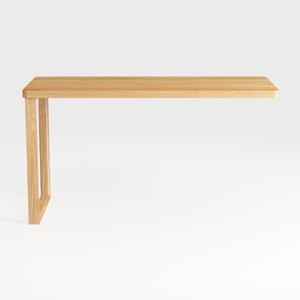
Minimalist Solid Oak Console Table Modern Simple Design 3D Model
Homestyler offers an easy-to-use online design tool with stunning 3D renderings, inspiring interior projects, and helpful DIY video tutorials. It’s the perfect platform to visualize and create your dream home with confidence and creativity.
Diseño ahora GRATIS
































