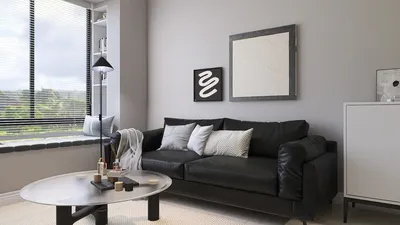


In my role, I dedicate significant effort to sourcing visuals for legal education, policy reports, and spatial design case studies. However, authentic Indian courtroom images can be challenging to obtain without navigating legal or ethical complications. The right visuals can effectively illustrate courtroom layouts, provide procedural context, and help audiences appreciate the importance of judicial spaces. Conversely, using inappropriate or unlicensed images can damage trust and create potential legal repercussions.
The importance of visuals in representing institutional spaces is well-supported by real-world data. Research conducted by Herman Miller indicates that clear environmental cues are vital for enhancing wayfinding and understanding in complex environments, as better spatial clarity correlates with reduced cognitive load among users. Additionally, findings from Steelcase link visual clarity with task focus and a sense of professionalism; consistent and contextually accurate imagery fosters credibility in outward-facing communications. This principle applies directly to judicial settings: an image that accurately portrays bar placement, bench height, and audience seating conveys procedural order and respect.
Both color choices and composition play a significant role in shaping perception. Insights from Verywell Mind highlight that neutral, subdued tones and soft blues can evoke feelings of calm, authority, and trust—attributes essential in courtroom environments. Using images that align with typical courtroom color schemes, balanced sightlines, and controlled lighting ensures that the focus remains on the proceedings or key messages rather than sensationalism.
What Constitutes an Authentic Indian Courtroom Image
Authenticity transcends mere geographical designation. Within Indian courts, familiar details include an elevated judge's bench, counsel tables, a witness box, and public seating often featuring wooden pews or chairs. The national emblem typically adorns the bench, with signage consistent with the respective High Court or district court. Lighting tends to be a combination of diffuse natural light and warm, even artificial sources; managing glare is crucial to maintain attention on the judicial proceedings. Common materials include timber, stone, and painted plaster, all chosen for their durability, formality, and acoustic properties.
Where to Legally Source Authentic Photos
Begin your search with official judiciary and government sources. Many High Courts offer media galleries or publish event photographs; their archives could include images from courtroom renovations or significant ceremonies. Reputable news agencies frequently cover important hearings and provide licenses for editorial use. Law faculties from universities sometimes maintain repositories of case studies. When uncertain, seek editorial licenses from photo agencies with clearly documented provesance and captions denoting the court, city, and context. If your project includes illustrating courtroom layouts or circulation planning, leveraging a room layout tool like Homestyler can help in validating seating, sightlines, and acoustic considerations prior to finalizing a photo.
Understanding Different License Types
Editorial-use licenses allow images in news, analysis, and educational content, while prohibiting their use for commercial endorsements. Rights-managed licenses provide specifications regarding region, duration, and medium, making them ideal for prominent reports. Royalty-free licenses may be suitable for less risky, repeated educational usages, but checking model/property releases remains crucial. Expect limited model releases and stringent editorial stipulations for courtroom photos; in particular scenarios, photography might be entirely prohibited, making archival or officially released images the safest choices.
How to Confirm Context and Provenance
Examine captions, source attributions, and available metadata (e.g., EXIF). Look for references to court names (such as Bombay High Court, Karnataka High Court), city, date, and event type. Cross-referencing with reputable news articles published on the same day can help affirm the accuracy of the proceeding. Pay attention to distinctive architectural features such as bench elevation, emblem positioning, and regional material designs. If a photograph seems staged, ensure it is openly identified as a reenactment or part of a stock set.
Legal and Ethical Considerations
It's imperative to respect privacy and sensitivity when dealing with courtroom images. Special care should be taken with photos involving witnesses, minors, or individuals under protection. Avoid images captured in violation of standing orders, as many courts have strict limitations on photography within active courtrooms. Editorial usage should not suggest bias or sensationalize judicial procedures, and captions must be written neutrally, being time-specific and accurate.
Assessing Image Quality, Lighting, and Acoustic Elements
Seek images with thoughtfully managed lighting—consistent, low-glare illumination that ensures visibility of facial expressions without washing out wooden surfaces. Bench and bar areas should exhibit balanced exposure to prevent harsh highlights around overhead lighting. Authentic courtrooms typically incorporate sound-absorbing materials in the back walls, while diffusive surfaces are found near galleries; photographs showcasing fabric panels, timber detailing, and well-fitted doors generally demonstrate attention to acoustic design.
Spatial Analysis: Layout and Human Factors
Genuine photos reveal hierarchical structures: the elevated judges' bench, counsel tables directed toward it, the witness box positioned to the side, and public seating placed behind a low barrier. Clear circulation paths are crucial, with no obstructions at egress points. Designers and educators can utilize tools like Homestyler to simulate sightlines and connections within an interior layout before selecting appropriate images; this design simulation aids in ensuring correct proportions, seating density, and essential clearances reflective of typical courtroom typographies.
Understanding Color Psychology and Material Choices
Opt for images that project calm authority: mid-tone wood finishes, muted wall colors, and dark leather or fabric upholstery. Blues and deep greens often appear in seating or drapery, contributing to a professional atmosphere that aligns with insights from color psychology provided by Verywell Mind. Steer clear of using overly vibrant colors that might impart a theatrical or political connotation.
Details on Metadata, Captions, and Accessibility
Compose captions that include the court name, city, and date. Incorporate alternative text that describes spatial roles—such as "the judge's bench prominently situated on a raised dais, counsel tables in the foreground"—to deepen comprehension and satisfy accessibility standards. Tag images with keywords like "editorial," "India," and specific court names to enhance search accuracy.
Streamlined Workflow for Teams
- Clearly define the use case: editorial, academic, or internal training.
- Source from trustworthy official archives; shortlist 5–7 images with established provenance.
- Verify the licenses, model releases, and any existing restrictions on courtroom photography.
- Evaluate lighting, sound elements, and spatial hierarchy to ensure authenticity.
- Draft neutral captions and alternative text, followed by a sensitivity review.
- Maintain a log detailing usage terms, renewal deadlines, and proper credits.
Guides on Environmental Cues
To align your imagery with optimal environmental standards, refer to recognized research and guidelines on human factors and lighting design. The WELL Building Standard highlights visual comfort metrics and glare management relevant for institutional interiors, while Herman Miller’s studies connect environmental clarity to user efficacy. Consulting these sources can aid in assessing whether a photo demonstrates realistic lighting and spatial considerations within formal settings.
- Check out WELL Building Standard’s visual comfort resources at wellcertified.com
- Refer to Herman Miller research on environmental clarity and work performance at hermanmiller.com/research
Common Questions
Q1: Am I allowed to use images of Indian courtrooms for commercial promotions?
A: It is best to avoid using courtroom imagery in commercial endorsements unless the license specifically states that it’s permissible, and the context remains non-misleading. Most courtroom photos are strictly licensed for editorial purposes only.
Q2: How can I verify that a photo features a specific High Court?
A: Look for specific details in captions and metadata pertaining to the court name and city. Cross-verify architectural designs and emblem placements with reliable news coverage published on the same date.
Q3: What lighting characteristics indicate authenticity?
A: Seek uniform, low-glare lighting with balanced exposure across the bench and counsel tables. Avoid images that feature harsh lighting or stark contrasts suggesting staged environments.
Q4: Are there privacy issues associated with publishing courtroom images?
A: Absolutely. Exercise caution when using images that may involve protected individuals, minors, or sensitive proceedings. Use impartial captions and avoid implying outcomes or character assessments.
Q5: Which license type is ideal for educational and journalistic content?
A: The safest choices for educational and journalistic material are typically editorial-use or rights-managed licenses. Always verify the region, duration, and medium of the license while ensuring no commercial implications exist.
Q6: How can designers accurately validate courtroom layouts prior to image selection?
A: Utilize a design visualization tool to assess seating arrangements, sightlines, and circulation. An interior layout planner can assist in confirming the spatial relationships that are characteristic of Indian courtrooms.
Q7: Which color schemes are appropriate for judicial communications?
A: Select subdued neutrals, complemented by restrained blues or deep greens, to promote a sense of calm authority in line with color psychology principles shared by Verywell Mind.
Q8: What should be included in alternative text for accessibility purposes?
A: Describe roles and spatial hierarchy succinctly: "raised judge’s bench, counsel tables angled toward the bench, witness box situated to the right, and public gallery behind barriers." Ensure the text is concise and contextually relevant.
Q9: How can I avoid misleading interpretations?
A: Use timestamps in captions, mention the court and context of the proceedings, and refrain from making edits that alter the narrative intent. Avoid pairing images with speculative statements.
Q10: Are staged stock studio sets acceptable?
A: While they can be utilized to depict generic courtroom concepts, they should be clearly labeled as staged and used in non-editorial contexts. For academic accuracy or journalism, it’s preferable to use genuine, well-documented photographs instead.
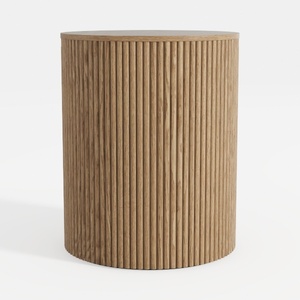
Minimalist Fluted Oak Round Side Table 3D Model
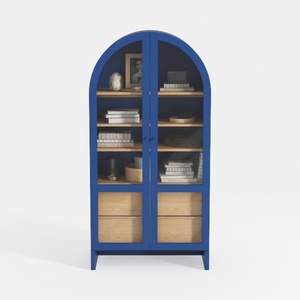
Modern Blue Frame Solid Wood Arched Glass Display Cabinet 3D Model
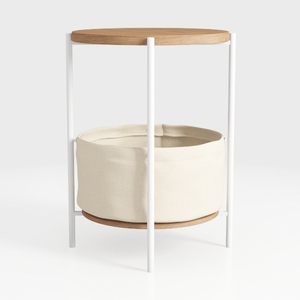
danpinera Round Side Table with Fabric Storage
Homestyler is an ideal online home design platform for anyone looking to transform their space. With an easy-to-use design tool, stunning 3D renderings, a wealth of inspiring design projects, and helpful video tutorials, you can effortlessly create your dream home environment. Start designing today!
Diseño ahora GRATIS
































