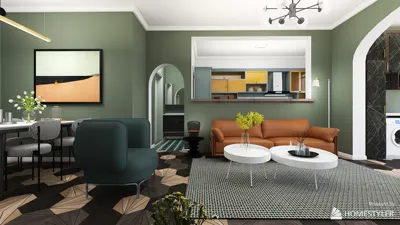


I once took on the challenge of painting a cozy studio for a client who specifically desired a midnight-blue ceiling. However, I ended up ordering the incorrect sheen, nearly transforming their space into a disco-themed room. To prevent such blunders in the future, I frequently create mockups of colors and layouts first. For instance, I experimented with various combinations using Homestyler for a kitchen project before finalizing my paint selections. It’s true that minor errors can escalate costs, but working in compact areas often encourages innovative, budget-conscious decisions.
Compact spaces ignite substantial creativity. In this guide, I will outline realistic ranges for interior painting costs, identify the primary cost contributors, discuss the pros and cons of DIY versus hiring professionals, and share five smart design ideas that save money while maintaining style.
1. Estimated cost ranges you should anticipate
Generally, interior painting expenses can be categorized into three main tiers: $1–3 per square foot for DIY materials alone, $2–6 per square foot for a simple professional single-coat refresh, and $3–8+ per square foot for a comprehensive job that includes thorough preparation, multiple coats, trim, and ceilings. The cost to professionally paint a standard 12x12 room typically falls between $300 and $900, depending on the level of preparation and the quality of paint used.
These ranges vary widely because factors like labor expenses, surface condition, and paint quality heavily influence pricing. Issues such as old water stains, nicotine marks, or textured surfaces increase the time required, which is where professionals charge the most.
2. Key factors influencing the cost
The cost structure is broken down into paint (25–30%), labor (50–60%), and supplies/overheads (10–20%). Using premium paints and specialized finishes can significantly increase material costs, while high ceilings or intricate trim details can drive up labor costs. If you desire a striking finish, such as metallic or Venetian plaster, be prepared to budget for specialists and higher hourly rates.
One hurdle is that quick quotes often overlook preparation work. I previously encountered a situation where a low estimate didn’t take into account peeling primer — a lesson learned to always evaluate the project before committing.
save pin
3. Weighing DIY versus hiring professionals — a practical comparison
If you have some handyman skills, going the DIY route saves on labor costs but can be time-consuming, often resulting in less-than-perfect finishes on complex surfaces. DIY is ideal for straightforward, single-color updates on smooth drywalls, with painting expenses ranging from $30 to $80 per gallon, usually needing 1 to 3 gallons for small rooms. Opting for professionals means faster work, uniform coverage, and warranties, but this does add to your expenses.
My advice: manage the preparation work (like patching and light sanding) yourself, and hire professionals for the cutting-in and finishing touches. This strategy balances your budget effectively while requiring an honest assessment of your abilities.
save pin
4. Five affordable paint enhancements that provide a high-end look
Instead of opting for a full repaint, consider targeted upgrades that significantly alter the ambiance: refreshing the trim color, updating doors, or adding an accent wall with a durable, washable paint. These adjustments typically cost much less than a complete repaint while still delivering a refined finish.
The downside is consistency — blending new designs with old may necessitate a small test area to ensure that the new paint complements the existing decor.
save pin
5. Timing, warranties, and calculations for small rooms
Timing can influence costs as well: peak seasons like spring and summer often lead to increased labor rates and longer wait times. Inquire with painters about warranty options (typically, workmanship warranties last for one year) and whether touch-up services are included. For creating an accurate budget, measure your wall square footage (perimeter times height, minus windows and doors) and multiply it by the estimated cost per square foot for a realistic quote.
Smaller rooms can incur higher costs per square foot due to fixed setup times; combining multiple rooms into one project can lower the costs per space.
save pin
Cost-saving strategies and my handy checklist
Aim to buy mid-range paint for a good balance between coverage and durability. Prepare lightly on your own, move furniture to cut down on labor time, and streamline color choices to reduce the time painters spend cleaning brushes between coats. When visualizing layouts prior to painting, I utilize 3D floor visualizations with Homestyler to gauge how colors will impact the space regarding light and scale.
One critical note: cutting corners with primer can lead to greater costs later on due to visible stains or poor adhesion, so ensure it’s not skipped if necessary.
save pin
When investing in extra paint makes sense
Opt for higher-quality satin or eggshell paint in high-traffic rooms, as they are easier to clean and have longer-lasting finishes, which reduces the frequency of repainting. If you are repainting cabinets or trim, select paints designed for durability, even if they come at a higher initial cost.
If you’re considering experimenting with layouts or color-driven furniture arrangements prior to painting, employing an AI-driven layout assessment, such as that offered by Homestyler, can save you money by preventing costly errors.
save pin
FAQ
Q1: What is the cost of interior painting per square foot?
A1: The typical cost for professional services ranges from $2 to $6 per square foot for walls and ceilings, with higher rates likely for extensive prep work or multiple coats.
Q2: Is it more economical to repaint the entire house or tackle rooms one at a time?
A2: Painting several rooms in one job typically reduces per-room costs since setup and mobilization are shared, making single-room projects comparatively more expensive per square foot.
Q3: How much can I expect to spend on paint itself?
A3: Basic to mid-range paints cost around $25 to $60 per gallon, while premium or specialized options can range from $60 to over $120 per gallon. Coverage can differ based on the brand and formulation.
Q4: Can I minimize costs by handling prep and cleanup?
A4: Absolutely. Taking care of patching, sanding, and relocating furniture can substantially decrease the labor hours billed by professionals, potentially saving you 10 to 30% based on the job.
Q5: How long can I expect a professional paint job to last?
A5: With quality materials and proper prep, interior paint can endure for 5 to 10 years in living areas, though high-traffic sections may require earlier touch-ups.
Q6: Are there hidden costs I should be aware of?
A6: Yes, hidden expenses may include repairs for stripped drywall, lead paint cleanup in older homes, primer for stain prevention, and specialized finishes, which can add to your total costs. Always request a detailed estimate to avoid surprises.
Q7: Where can I find reliable local cost data?
A7: Reputable sources such as HomeAdvisor or Angi provide updated regional averages; for instance, HomeAdvisor compiles yearly updates on cost guides and contractor rates (HomeAdvisor, 2024).
Q8: Should I select the color or finish prior to making a decision?
A8: Begin with the finish based on the room's purpose (e.g., washable eggshell for living spaces or satin for trims) and then choose your color samples. Testing swatches on the wall is crucial, as lighting can dramatically affect color appearance.
save pin
Homestyler is your go-to online home design platform, perfect for transforming your ideas into reality. With its user-friendly design tool, stunning 3D renderings, and a wealth of design projects and video tutorials, you can effortlessly create your dream space—no prior experience needed!
Diseño ahora GRATIS
































