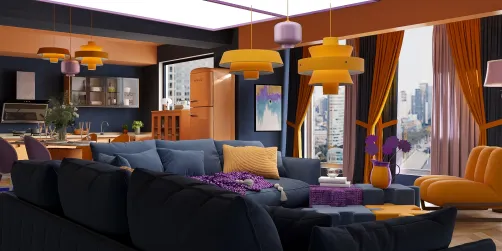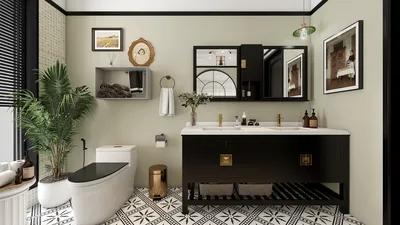
Managing all the lighting in your home concurrently can significantly increase convenience while conserving energy. Regardless of whether you reside in a compact apartment or a spacious residence, establishing a cohesive lighting framework is crucial for contemporary lifestyle. This guide will delve into effective strategies to streamline your light control effectively and easily.
Smart Lighting Innovations:
One of the most efficient methods to manage all your lights at once is by adopting smart lighting innovations. Smart bulbs and switches can be controlled remotely using your smartphone or through voice commands. Options such as Philips Hue or LIFX enable you to link multiple lights to a single application, allowing you to manage them all with just a few taps.
Feeling uncertain about where to begin? Seek out smart lighting systems that are compatible with your current smart home devices. For instance, if you have a smart speaker like Amazon Echo or Google Home, integrating your smart lights for voice control becomes a seamless process.
Utilizing a Smart Hub:
A smart hub can consolidate the control of all your smart devices, including your lighting. By connecting your lighting solutions to a hub such as Samsung SmartThings or Hubitat, you can create customized scenes or routines that adjust all lights at once. This allows you to set ambient lighting for movie nights or bright settings for work-from-home scenarios with a single command.
Concerned about complicated setups? Most hubs are equipped with user-friendly applications and step-by-step guides that facilitate a smooth initial setup, requiring no technical know-how.
Scheduling and Automation Features:
Implementing timers and automation can further enhance your lighting management. Numerous smart bulbs and systems permit you to create schedules for when lights illuminate and dim, offering peace of mind while also optimizing energy usage. For example, you can arrange your outdoor lights to activate at sunset and turn off at midnight.
Curious about additional ease? Consider employing motion sensors in vital areas of your home. These sensors can trigger lights automatically in response to movement, ensuring that your lights remain on only when necessary.
Practical Examples:
To exemplify these techniques, let's think about a family with young children. Configuring smart lighting can streamline bedtime routines effectively. Parents can program soft, warm lights to turn on an hour before bedtime, signaling to the kids that it’s time to settle down. Moreover, motion sensors in hallways can activate lighting when children leave their bedrooms at night, ensuring safety without disrupting their sleep.
Another scenario involves a home office setup. During work hours, bright, cool lights can help improve concentration, while at the day's end, a simple voice command can transform the environment from a workspace to a soothing ambiance with dimmer lights, potentially integrating tools like Homestyler for enhanced design.
Common Questions:
Q: Can I manage traditional lights without swapping the bulbs?
A: Absolutely! Utilizing smart switches enables you to control traditional lights without needing to replace the bulbs. Just swap your existing wall switch for a smart one.
Q: How do motion sensors collaborate with smart lighting?
A: Motion sensors detect activity within their proximity and can automatically turn on lights when someone enters a room, then switch them off after a predefined period of inactivity.
Q: Are smart hubs hard to install?
A: Not at all! Most smart hubs come with clear instructional materials and intuitive applications to assist you during the installation process, making it approachable even for those new to smart technology.

Discover your design potential with Homestyler! This online platform offers an easy-to-use design tool, stunning 3D renderings, and a plethora of DIY video tutorials. Whether you're decorating or undertaking a full redesign, Homestyler brings your creative ideas to life effortlessly!