

[Section] Introduction
With over ten years in the field of designing small homes and studio apartments, I’ve observed a significant shift towards interior designs that prioritize multifunctionality, tranquility, and sustainability. The beauty of small spaces lies in their ability to inspire creativity — a compact bedroom in an apartment becomes an ideal canvas for innovative solutions that feel purposeful instead of cramped. In this piece, I will share five established methods for decorating an apartment bedroom, integrating my personal project experiences and expert insights to guide you in making sound decisions. To begin, if you're struggling with storage in your compact room, consider a minimalist storage design that maintains clean sightlines and promotes a serene sleeping environment.
[Section] Monochrome Minimalism with Layered Texture
My Insights
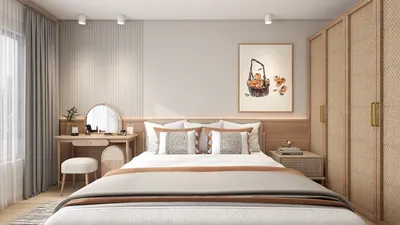
I appreciate initiating my apartment bedroom designs with a restrained color palette, as it effectively creates the illusion of a larger space. A monochrome foundation—consider soft grays, warm beiges, or subtle blues—allows for adding textures such as linen, boucle, and matte wood, enhancing depth without overwhelming visual clutter.
Benefits
Employing a limited color scheme streamlines decision-making and harmonizes well with various small apartment bedroom storage concepts. This approach establishes a calming backdrop, allowing statement pieces such as lamps, throws, or artwork to shine without dominating the area. Monochrome designs photograph beautifully and frequently rank high in searches for small-bedroom inspiration, which is beneficial when curating your design vision.
Drawbacks
A common pitfall is the potential for a dull appearance if color is your sole focus. Incorporating tactile contrasts—through rugs, cushions, or a woven headboard—is essential to avoid the effect of resting in a bland, one-color environment. In a studio I designed, where the client insisted on a pure white theme, we had to quickly introduce wooden bedside trays and greenery to infuse warmth and life.
Advice / Case Examples
Invest in a textural headboard and layered bedding instead of splurging on artwork. Simple additions—a wool throw and a woven basket—can enhance dimensionality at a low cost. For budget-friendly transformations, painting and textiles yield the most significant impact per dollar and typically require just a day or two to execute.
[Section] Foldable and Built-In Storage Solutions
Personal Perspective
When collaborating with clients to decorate their apartment bedrooms, my first goal is to eliminate visual clutter through smart storage options. Implementing built-in lower drawers beneath the bed, wall-mounted shelving, and foldable desks can change awkward corners into functional areas without encroaching on floor space.
Advantages
These built-in or underneath-the-bed storage solutions make organization in a small apartment bedroom appear intentional and tidy. They align well with trending search terms such as small apartment bedroom storage ideas and compact bedroom layouts for studio apartments. These solutions enhance floor space and can be tailored to fit unconventional room shapes, a considerable advantage in many older apartment designs.
Disadvantages
Custom-built furniture tends to be pricier and requires extensive planning—something that isn’t ideal for those looking for fast weekend makeovers. Additionally, there's a certain level of commitment involved; once you install a built-in platform bed with drawers, relocating it isn't straightforward. I once suggested a renter use modular drawer units under a platform bed as a practical compromise; this option was cost-effective, reversible, and visually cohesive.
Advice / Case Examples / Costs
For renters, opt for modular furniture featuring integrated storage or choose a bed frame with detachable drawers. Homeowners should incorporate built-in storage into their renovation plans; it represents a mid-range investment that offers long-term functionality and boosts resale value. Custom platforms with drawers can cost anywhere from several hundred to a few thousand dollars based on materials and finishes.
save pin
[Section] Maximize Light with Glass and Reflective Surfaces
My Recommendations
I frequently suggest ways to augment lighting when clients inquire about decorating their apartment bedrooms. Both natural and layered artificial light can make a compact room feel more spacious. My go-to methods include utilizing glass, glossy surfaces, and mirrors to reflect light throughout the space without consuming room.
Pros
Incorporating reflective surfaces significantly enhances the perception of space and brightness, which is invaluable for those looking up the best paint colors for small bedrooms or exploring compact bedroom layouts for studio apartments. Items like glass bedside lamps, mirrored wardrobe doors, or one large mirror can nearly double the perception of room size without the need for physical expansion.
Cons
An excess of shiny surfaces might create a sterile vibe if not contrasted with softer textures. Moreover, mirrored surfaces tend to show fingerprints and smudges more easily—a minor upkeep trade-off. I had a client who adored mirrored wardrobe doors until they discovered the necessity of regular cleaning to maintain their pristine appearance.
Advice / Case Examples
Incorporating a glass partition or a half-glazed screen is an excellent option for separating spaces while still allowing light to flow—especially in studio apartments where the bedroom shares space with living quarters. When considering a semi-permanent glazed divider, it’s wise to investigate tempered glass choices and local building regulations first. For insights on how reflective treatments can enhance visual space, tools like Homestyler can provide design previews to visualize results.
In practice, introducing a refined glass element as a focal point can help the space appear larger while maintaining a cozy nook for the bed. (Author's addition: when I installed a slim frosted glass screen in a Soho studio, my client gained privacy without sacrificing daylight, and the entire area felt twice its original size.)
save pin
[Section] Multipurpose Furniture and Spatial Zoning
My Thoughts
When available space is limited, each piece of furniture must justify its presence. I prefer using multifunctional furniture—such as ottomans with storage, benches that serve as dressing tables, or wall-mounted desks that can be tucked away—to decorate my apartment bedrooms without creating clutter.
Benefits
Multipurpose furniture facilitates a compact studio bedroom layout, making small living areas practical. A foldable desk or murphy bed keeps pathways uncluttered and allows a single room to function as a space for rest, work, and getting dressed. This strategy aligns with contemporary tiny living philosophies and is particularly useful for clients needing both a workspace and a restful sleep area.
Drawbacks
Function-first furnishings can occasionally compromise comfort or longevity. Not all multifunctional beds offer the same comfort as traditional mattress configurations, and some mechanisms require regular maintenance. I advise clients to test any convertible bed or fold-down desk before finalizing their decision—comfort should never be overlooked.
Advice / Case Examples / Costs
Focus on quality in areas where you spend the most time—such as the mattress and seating—while economizing on accessories. For a budget-friendly solution, consider modular shelving and foldable desks that are easy to remove later on. A well-installed murphy bed represents a moderate investment but can greatly enhance available floor space in tight apartments.
Towards the midpoint of planning your layout, I often utilize Homestyler for digital mockups, enabling clients to visualize circulation and scale; previewing a multipurpose setup can prevent errors and provide a clearer picture of everyday functionality.
save pin
[Section] Warm Wood Accents and Biophilic Touches
My Perspective
Incorporating wood tones and plants are among the simplest methods I use to create a welcoming atmosphere in an apartment bedroom. Even a few slatted wooden shelves or a petite oak side table can inject tactile warmth that contrasts beautifully with crisp linens and cool wall colors.
Benefits
Adding wooden elements infuses warmth and a natural ambiance, which significantly contributes to small apartment bedroom decoration focused on comfort. Wood harmonizes with neutral palettes and pairs seamlessly with green plants, woven baskets, and natural fiber rugs, providing an efficient means of enhancing a room’s environment without extensive renovations.
Drawbacks
Natural materials require some maintenance—humidity and sunlight can impact wood over time, and plants need regular care. If overused, an excess of rustic features can weigh down a compact room. I prefer balancing wood accents with lighter textiles and a few reflective elements to ensure the space remains airy and fresh.
Advice / Case Examples / Costs
Start modestly: a wooden bedside shelf, a rattan lamp, or a teak stool can all contribute positively. Low-maintenance plants like snake plants or pothos enhance indoor air quality and are visually soothing. For those on a budget, secondhand wooden items sanded and sealed can appear high-end for a fraction of the price of new furniture. For a modern flair, pair wood with simple metal legs or matte fixtures to keep the aesthetic contemporary.
As you finalize your apartment bedroom decoration plan, layering in a few touches of greenery and wood often completes the design—it’s the final accent I use in nearly all my small-bedroom transformations.
[Section] Conclusion
Small apartment bedrooms are not constraints—they serve as prompts for design that encourages smarter choices. When decorating an apartment bedroom, prioritize lighting, multifunctional furniture, and textured layers; these strategies contribute to making a compact space feel intentional, inviting, and versatile. If you’re seeking evidence-based advice, resources such as the Sleep Foundation can provide valuable insights on lighting and sleep environments to improve sleep quality. Which of these five ideas would you consider implementing first—texture, storage, light, multifunctional pieces, or wood and plants?
save pin
FAQ
Q1: What’s the best first step when planning to decorate an apartment bedroom?
A1: Start by decluttering and measuring your room. Understanding exact dimensions helps you select furniture that fits well and avoids over-purchasing. Creating a simple sketch or employing a digital mockup, like those offered by Homestyler, can aid in visualizing arrangements before purchasing.
Q2: How can I make a small bedroom appear larger?
A2: Utilize a restrained color palette, enhance natural light, incorporate a large mirror, and select furniture with exposed legs to reveal more floor space—these are classic strategies for creating a lighter, more open ambiance.
Q3: Are neutral color schemes more suitable for small bedrooms than bold colors?
A3: Generally, neutral color palettes enhance perceived space, but a feature wall or pops of color in fabrics can inject personality without making the room feel confined. Striking a balance is crucial.
Q4: What are affordable ways to add storage in an apartment bedroom?
A4: Options like under-bed storage, floating shelves, and multifunctional ottomans are cost-effective. Renters can use modular units or tension rod shelving to avoid permanent changes while still significantly enhancing storage.
Q5: Do plants genuinely enhance a small bedroom’s environment?
A5: Absolutely—low-maintenance plants, such as snake plants or pothos, provide humidity control and a calming aesthetic. They represent small investments with substantial psychological rewards.
Q6: Is it advisable to use mirrored furniture in a bedroom?
A6: Mirrored surfaces can visually enlarge a room, but they should be complemented with soft textures and warm accents to prevent a cold or impersonal atmosphere. Regular cleaning is necessary to maintain their brightening effect.
Q7: How should I approach lighting selections for a compact apartment bedroom?
A7: Layer your lighting—use ambient overhead fixtures, task lights for reading, and accent lights for ambiance. Consider installing dimmer switches for improved atmosphere and enhancing sleep habits (Source: Sleep Foundation, sleepfoundation.org).
Q8: Where can I preview design concepts digitally before making purchases?
A8: Numerous designers and software provide 3D mockups and renderings, allowing you to visualize scale and materials in context; such visual previews can help prevent costly errors and ensure your layout supports daily functionality.
save pin
Homestyler is your go-to online home design platform, perfect for turning your ideas into reality. With an intuitive design tool, stunning 3D renderings, and a wealth of DIY video tutorials, you can easily create and visualize your dream spaces. Start designing today!
Diseño ahora GRATIS
































