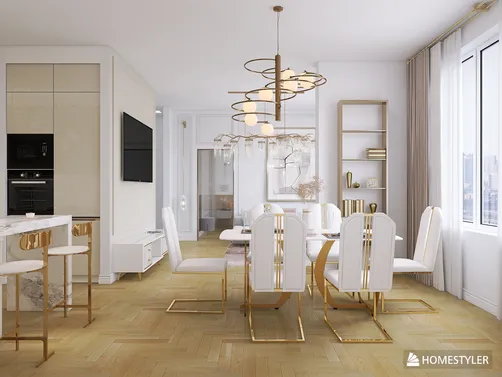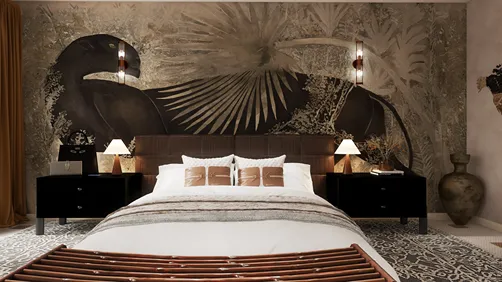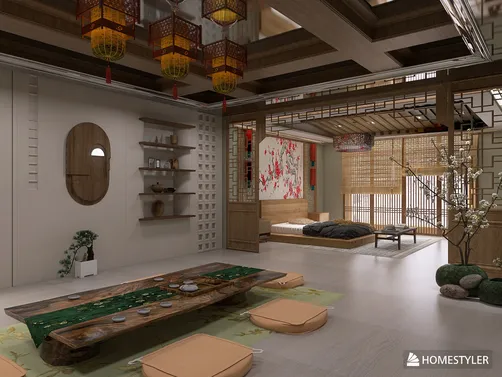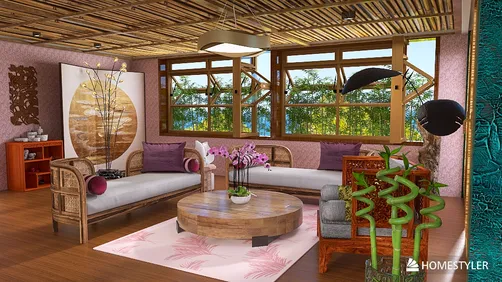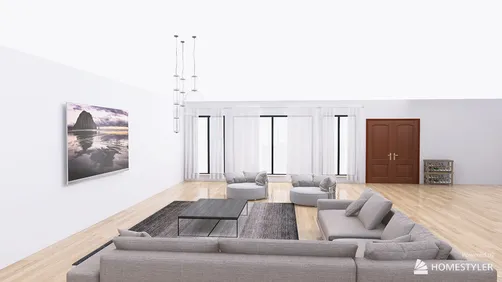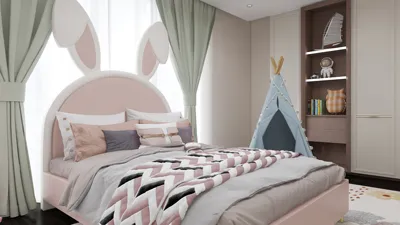
Creating 3D rendered landscapes is an innovative approach that merges artistic vision with technological advancements to enhance outdoor environments. Whether crafting a garden, park, or residential area, utilizing 3D rendering allows for a detailed visualization of your concepts, ensuring that each component fits together seamlessly. This guide delves into the crucial elements of 3D rendering in landscaping, offering tips and strategies for achieving remarkable outcomes.
Exploring 3D Rendering in Landscaping
3D rendering involves generating a three-dimensional depiction of a landscape design. This cutting-edge technology enables designers to mimic lighting, textures, and various materials, providing clients with a vivid preview of the finished project. The advantages of implementing 3D rendered landscapes are numerous:
Key Components for Effective 3D Landscape Rendering
To produce an engaging 3D landscape render, consider integrating the following features:
Ensure that all elements, such as trees, plants, and hardscapes, closely resemble their actual counterparts in terms of scale, color, and texture.
Utilize natural lighting techniques to augment realism. Factor in the time of day and how sunlight interacts with various aspects of the landscape.
Employ high-resolution textures for materials like stone, wood, and grass. This meticulous approach will significantly enhance the quality of your render.
Incorporate dynamic features, such as water elements or moving foliage, to create a vibrant scene that captivates the audience.
Advantages of 3D Rendering in Landscaping Projects
Investing in 3D rendering for landscaping initiatives brings multiple benefits:
Conclusion
3D rendered architectural landscaping serves as an essential tool for designers aiming to craft breathtaking outdoor spaces. By leveraging this technology, you can boost your design potential, enhance client interactions, and ultimately deliver outstanding results. Begin exploring the capabilities of 3D rendering—and look out for tools like Homestyler—in your landscaping endeavors today!
FAQ
Q: How does 3D rendering enhance landscaping design? A: 3D rendering improves landscaping design by offering clear visual representations, facilitating effective communication, and allowing for timely adjustments before construction begins.
Q: Which software is best for 3D landscape rendering? A: Great software options include SketchUp, Lumion, and V-Ray, each providing unique functionalities and user-friendly experiences for landscape designers.
welcome to Use No.1 Home Design Software