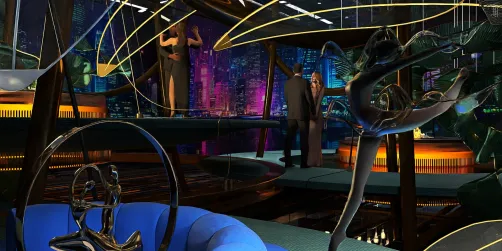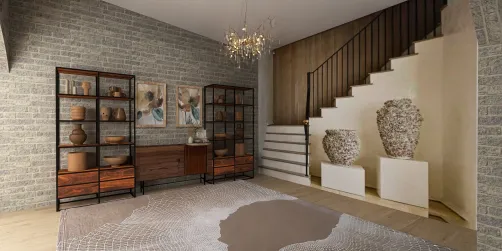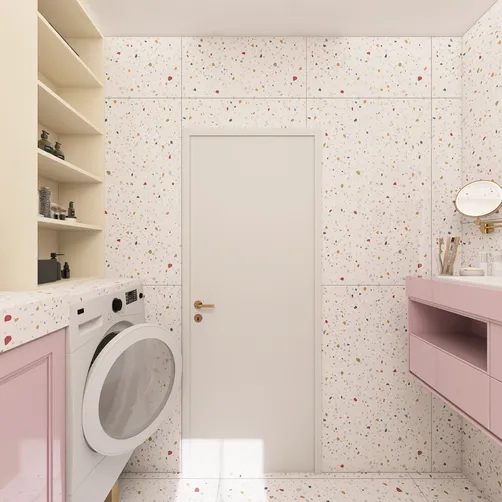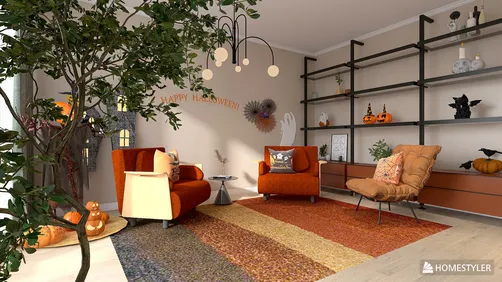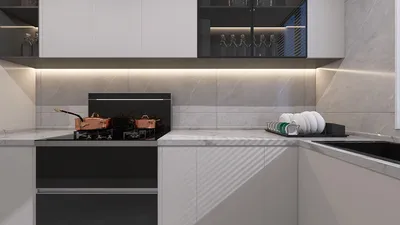
The integration of 3D image rendering and colorization on the web is a game changer for user experience, offering interactive visuals that both educate and engage viewers. Regardless of whether you are a designer, developer, or entrepreneur, mastering the effective use of these technologies has the potential to elevate your project to impressive levels. This guide will delve into a variety of tools and techniques for harnessing web-based 3D design, including insights on how to leverage platforms like Homestyler.
Understanding 3D Image Rendering
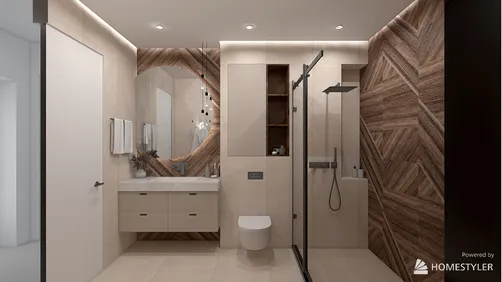
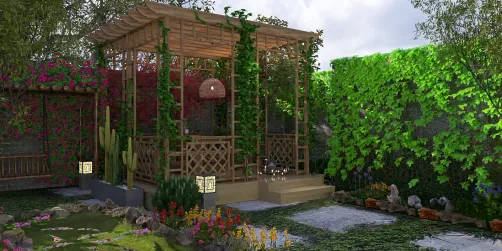
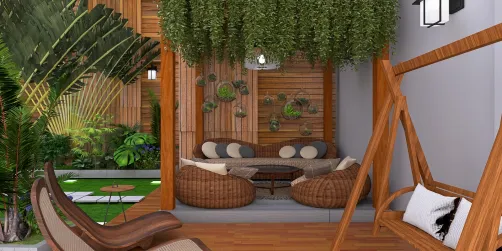
3D image rendering refers to the technique of creating a two-dimensional image from a virtual three-dimensional model. This method is vital for generating lifelike visuals suitable for web display. By utilizing sophisticated rendering engines, designers can craft high-quality graphics that captivate audiences.
Coloring Techniques in 3D Design
Color application is a key element in 3D design, contributing significantly to the overall aesthetic and depth of the rendered image. Selecting appropriate colors can enhance realism and visual appeal, leading to a more engaging viewer experience.
Effective use of textures and materials is essential to elevate a basic 3D model into an eye-catching visual presentation. Below are some pivotal techniques:
Interactive 3D Rendering
Incorporating interactivity introduces an enhanced level of engagement in 3D rendering. Allowing users to interact with models—such as rotating or zooming—can result in a deeply immersive experience.
For developing interactive 3D models, consider utilizing various advanced tools and platforms. Homestyler stands out as an exceptional resource for creating interactive designs.
Conclusion
Integrating 3D image rendering and coloring strategies into your web initiatives can substantially boost both user engagement and aesthetic value. By taking advantage of tools such as Three.js and Babylon.js, alongside effective coloring techniques, you can create jaw-dropping visuals that draw in your audience.
FAQ
A: 3D rendering on the web encompasses the creation of three-dimensional images and visuals for display on websites, often facilitated by JavaScript libraries like Three.js or Babylon.js.
A: You can enhance the interactivity of your 3D models through the use of WebGL, incorporating user controls that allow viewers to manipulate the model by rotating, zooming, and more.
A: Software like Blender, as well as various rendering engines, can be effectively used for texturing and applying materials, thereby enhancing the coloration of your 3D models.
Welcome to the leading home design software available today!