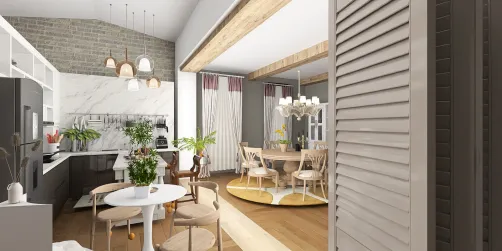
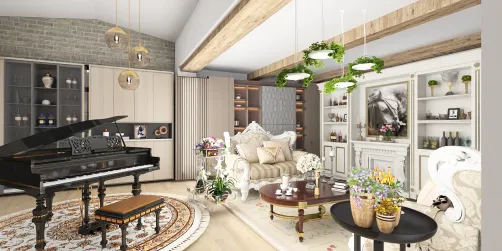
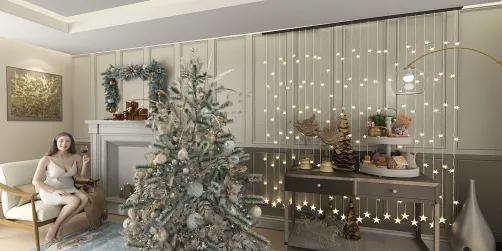
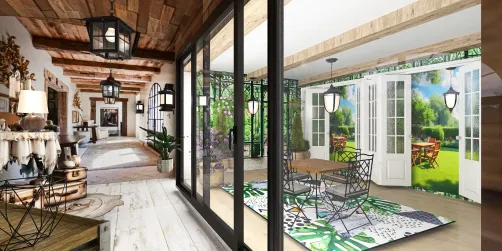
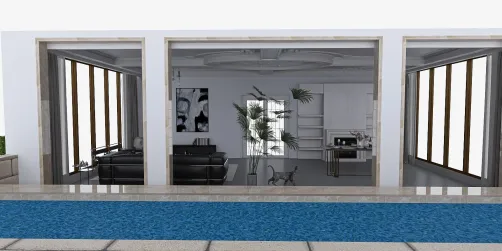
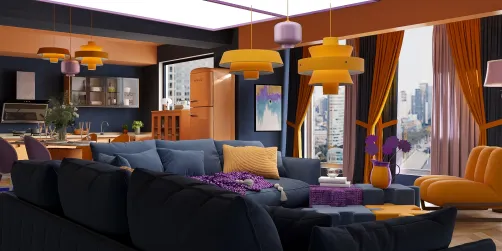
The future is pressing forward with issues such as climate change, commuting challenges, and the evolving dynamics of care networks; families in Kerala are among the first to adapt, navigating multi-generational routines and the realities of monsoon seasons. When I examine various two-floor house plans in Kerala, I see them as preliminary coding for daily experiences, and surveys from AIA and NAHB confirm this shift: households are increasingly redesigning spaces to create flexible rooms and work areas. In this context, a toolkit for spatial reasoning serves as a foundational element—where entryways function as approvals and rooms operate like software components, much like the innovative features offered by Homestyler.
We continue to grapple with current challenges—such as humid storage, fluctuating work hours, and aging parents—while the future is negotiating these at our doorstep. My design approach encompasses the entire interface, not merely the external shell, so that every staircase, balcony, and puja space functions as a roadmap for the next decade.
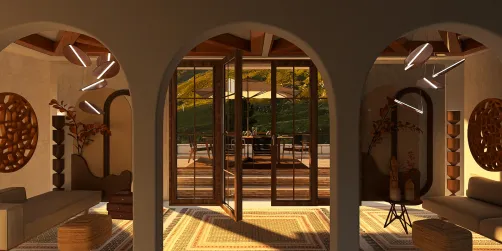
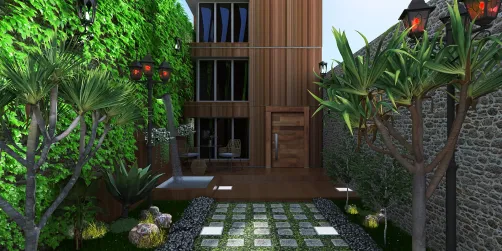
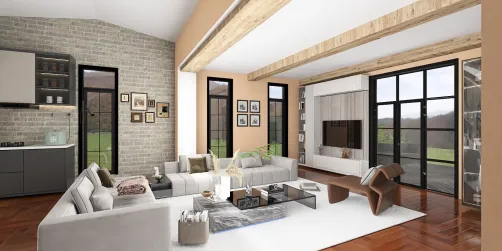
Courtyard Spine + Split-Level Parlor
Design Logic: A slender plot allows a central courtyard to circulate air and light, while a slightly elevated split parlor reduces noise from cooking, thus preparing for the demands of hybrid work and communal living.
Flow: Entry → rain-screen foyer → half-level parlor → kitchen loop encompassing the courtyard → stair as a structural backbone → bedrooms above featuring a balcony overlooking the void.
Sightlines: Diagonally framed visuals from the entry point to the green well; the gaze transitions from the low parlor to the sky opening, akin to layered user interface designs—foreground activity blends into background tranquility.
Storage: An under-stair ventilated cache, elevated drawers for textiles safe from monsoon dampness, and a pantry at the courtyard's edge serves as a cool resource.
Furniture Fit: A slender teak sofa (750 mm in depth), a modular pooja wall spanning 1.2 m, and a dining bench compressing to fit corridor dimensions—all following API principles that avert congestion.
Verdict: The house evolves into a climate-responsive interface; five years from now, it will still manage noise, airflow, and rituals efficiently.
save pinOpen in 3D Planner Processing...
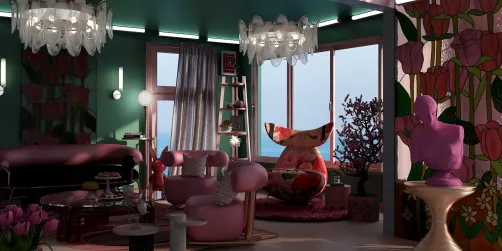
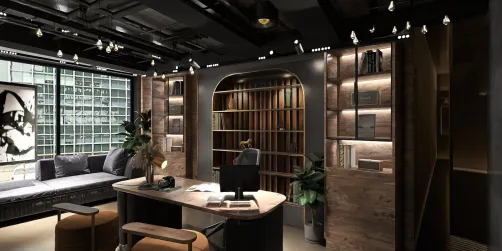
Dual-Kitchen Grid with Elder Suite Down
Design Logic: A bifurcated wet/vegetable preparation space caters to dietary diversity while accommodating festival demands; the ground-floor elder suite supports care routines, and the upper flex area is tailored for spikes in remote work.
Flow: Carport → mud lobby → wet kitchen node → dry kitchen island → stair leading to flex/work space → bedrooms resembling interconnected subroutines, with a terrace serving as a decompression area.
Sightlines: From the dining area to the terrace's edge, a distinct horizon is maintained; privacy corridors function as layered masks, revealing only what each moment necessitates.
Storage: Wall-depth spice racks at 300 mm, a ventilated crockery cache, and a linen tower positioned next to the bath to streamline task management.
Furniture Fit: A table designed for six at dimensions of 900×1800 mm, bed clearances in the elder room set at 900 mm for mobility aids, and a task desk positioned for optimal window access—design precision elevating lifestyle standards.
Verdict: Care, culture, and work are merged into a singular architectural schema; this layout adapts seamlessly to festive occasions and quiet weekdays without disrupting the flow.
save pinOpen in 3D Planner Processing...
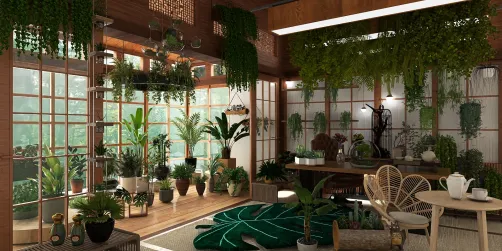
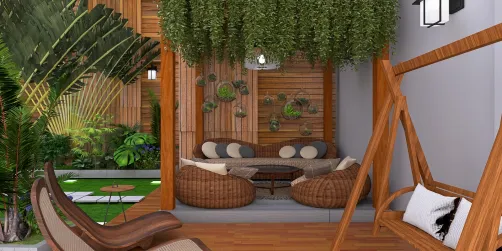
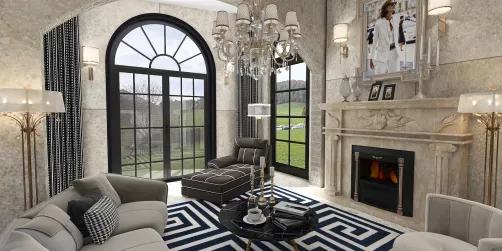
Stair Gallery + Rain-Screen Veranda
Design Logic: A shaded veranda crafted from perforated bricks acts as a monsoon barrier and social buffer; the stair gallery transforms circulation into a luminous flow of movement.
Flow: From the veranda threshold to the living area → gallery stair → mid-landing library niche → upper sleeping spaces → a roof deck ideal for evening breezes.
Sightlines: Layered openings—street filter, veranda lattice, stair void—function as a user interface separating glare from privacy akin to managing data packets.
Storage: Benches along the veranda serve as caches, a book wall integrated into the landing space, and a rooftop utility locker manage drying cycles during heavy rains.
Furniture Fit: A cane lounge chair with a seat height of 650 mm, stackable charupadi stools, and wall-hung media that is positioned 1200 mm off the ground to maintain pathway cleanliness—API parameters sustain effectiveness.
Verdict: The house operates like adaptive firmware; in five years, it will project resilience, sociability, and low-effort functionality amidst changing weather and daily routines.
save pinOpen in 3D Planner Processing...
## Final Takeaway
The two-floor house plans in Kerala are more than just stacked rooms; they represent an interface that navigates culture, climate, and caregiving through thoughtful pathways. By refining sightlines, incorporating storage as functional cache, and positioning furniture akin to APIs, homes operate efficiently with minimal disruptions. Multi-level living, flexible rooms, and veranda barriers are patterns I continually encode, echoing that the most intelligent residences here won’t necessarily be larger, but rather more precise—a principle that can be effectively visualized with tools like Homestyler.

Discover the ease of home design with Homestyler! This online platform offers a user-friendly design tool, stunning 3D renderings, and an array of inspiring design projects. Plus, you’ll find helpful DIY video tutorials to guide you every step of the way. Transform your space effortlessly!