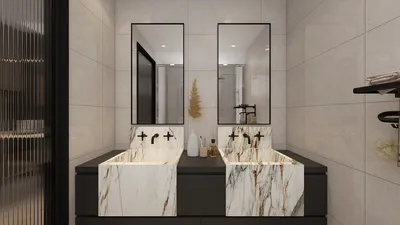


One time, I installed a linear light that ended up being two meters too long because I misread the plan — the chandelier almost brushed against a guest's hat during dinner. From that rather embarrassing incident, I established a principle that I now adhere to: effective linear lighting can significantly enhance or detract from a dining room, particularly in compact spaces where every inch counts. Small areas can inspire great creativity, and I’m excited to share five practical linear lighting ideas I've implemented in real projects. These tips will help you avoid my blunders and illuminate your dining area effectively with the right style using Homestyler.
1. Centrally placed linear pendant above a narrow table
For elongated, narrow dining tables, I recommend a centrally positioned linear pendant that extends along the length of the table. This setup creates an inviting, restaurant-like vibe while ensuring uniform lighting for each seating arrangement. The key consideration here is height: if you hang it too low, taller diners may find it uncomfortable, yet if it’s too high, you lose a sense of warmth. I typically suggest positioning the bottom of the fixture between 28 and 34 inches above the tabletop to achieve a balanced lighting effect.
save pin
2. Multi-segment linear fixtures for adaptable layouts
In residences where the dining table often changes position or functions as a workspace, multi-segment linear fixtures prove to be incredibly useful. These fixtures can be adjusted to align with varying table arrangements or to provide extended illumination for buffets. Although they may come with a higher initial cost and require some careful wiring, their versatility is invaluable in multifunctional spaces. I once designed this for a client who hosted weekly dining clubs, and the adjustable lighting made it perfect for accommodating additional guests.
save pin
3. Recessed linear lights for a sleek aesthetic
Incorporating recessed linear LED channels into a ceiling tray allows for a streamlined, architectural appearance without visual clutter. This method works beautifully in contemporary spaces and compact rooms where overhead fixtures can appear too bulky. However, the installation can be complex as it requires sufficient ceiling depth and precise craftsmanship. I once renovated a ceiling specifically to create room for these channels; the outcome was worth the effort, revealing clean lines and gentle, glare-free lighting above the dining setup.
save pin
4. Layered linear lighting featuring dimmers
Combining a linear pendant with concealed linear cove lighting allows you to create layers of illumination suited for dining, cleanup, and setting the mood. Dimmers are crucial: set them brighter for meal prep and lower for intimate dinners. The main challenge lies in harmonizing color temperatures across fixtures; I always either match the LED CCT values or opt for tunable white systems to prevent any unsettling color variations on food and skin tones.
save pin
5. Adjustable suspended linear rail lighting
Using suspended rails with movable spotlight heads offers exceptional directional lighting control — especially useful when the table is a homework area or craft space. This flexibility allows task lighting to be focused where it’s needed while also accentuating decor or artworks with the same system. Though it tends to have an industrial feel, adding softer materials and warmer light temperatures can help maintain a cozy atmosphere in the dining area. I implemented this in a loft where the clients desired both functionality and a laid-back dining experience, and it turned out beautifully.
save pin
Tips 1:
When planning and visualizing any of these concepts, I frequently utilize an online room planner, like Homestyler, to simulate fixture lengths and mounting heights in a 3D environment before any construction begins. It’s helpful to draft the exact dimensions of your table and experiment with various placements in a realistic setting to prevent unexpected outcomes.
save pin
FAQ
Q: What is the ideal height for a linear pendant above a dining table?
A: The recommended height is between 28 and 34 inches from the tabletop to the bottom of the fixture. Adjust as necessary based on the ceiling's height and the fixture’s overall visual weight.
Q: How should I select the appropriate color temperature for dining room linear lights?
A: Opt for a warm white color temperature (2700K–3000K) to create a comfortable dining atmosphere, ensuring all fixtures have matching CCT to maintain consistency in lighting over faces and food.
Q: Can linear lighting be effective in smaller dining rooms?
A: Definitely — recessed channels or compact linear pendants can visually elongate the room and deliver even lighting without overwhelming the space.
Q: Are dimmers essential for dining room linear lights?
A: Yes, dimmers provide essential flexibility for different tasks and settings; ensure that the LEDs and drivers are compatible with dimming systems.
Q: What common errors occur when installing linear dining lights?
A: Common mistakes include installing fixtures too low or too long, mismatched color temperatures, and neglecting glare control. My own blunder with the upside-down measurement reminded me that attention to detail is crucial.
Q: How do I plan the wiring for multi-segment linear fixtures?
A: It’s essential to collaborate with an electrician early on and utilize a scaled floor plan to ensure that power feeds and junctions align correctly with the fixture segments.
Q: Where can I experiment with layouts and visualize options in 3D?
A: Utilizing an online tool like Homestyler allows you to model your dining space and evaluate different fixture sizes and heights prior to making any purchases.
Q: Are there design guidelines or standards available for lighting levels?
A: Yes — for recommended illuminance levels and guidelines, you can reference publications from the Illuminating Engineering Society (IES), which is a recognized authority on lighting standards (IES Recommended Practices).
save pin



Homestyler is an exceptional online home design platform perfect for all skill levels. With its user-friendly design tool, impressive 3D renderings, and an abundance of inspiring design projects and video tutorials, you can effortlessly transform your home into a masterpiece. Start your design journey today!
Diseño ahora GRATIS
































