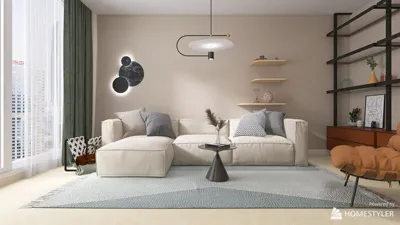


I dedicate a significant amount of my time to examining how different spaces can influence our focus and tranquility. A well-designed reading room goes beyond merely being a quiet space; it consists of a meticulously orchestrated environment that skillfully manages aspects such as lighting, comfort, sound, and color to help maintain cognitive flow. While assisting clients in selecting or enhancing local reading environments—whether they be public libraries, university study spaces, independent bookstores, community centers, or coworking lounges—I prioritize tangible characteristics that contribute to comfort and prolonged attention, rather than simply aesthetics. Utilizing tools like Homestyler can further enhance the design process by visualizing these elements effectively.
Light intensity and control of glare are the primary considerations. According to the Illuminating Engineering Society (IES), it is advisable to aim for a lighting level between 300 and 500 lux for casual desk reading, while smaller print requires about 500 to 750 lux with optimal color rendering and minimal glare. My preferred range for ambient lighting is 350 to 450 lux within a warm-neutrally colored spectrum of 2700 to 3500K, ideal for extended reading durations. Targeted lamps that provide 500 to 600 lux directly onto pages without hotspots are also beneficial. In addition to its importance for illumination, the WELL Building Standard (v2) stresses the necessity of visual comfort and circadian-friendly lighting, thus maintaining low flicker rates and offering adjustable task lighting significantly helps alleviate eye fatigue.
Acoustic comfort follows closely as a critical factor. Research from Steelcase has identified that sound disruptions rank high among factors that hinder concentration in shared environments, particularly with conversational noise proving the most disruptive. Practically, I focus on achieving noise criteria levels between NC-30 and NC-35 for reading rooms, utilizing fabric-rich environments to absorb mid to high-frequency sound and steering clear of paralleling hard surfaces that can amplify speech. If a nearby reading room includes soft seating clusters, area rugs, felt baffles, bookshelves serving as sound diffusers, and a clear protocol regarding phone calls, it indicates a strong respect for quiet concentration.
Assessing Reading Rooms in Your Area
Begin your evaluation by considering lighting, seat comfort, and acoustics. Check for potential glare from bright windows by shifting your angle slightly or selecting a seat where daylight passes through sheer curtains. Assess the desk height (aiming for 28 to 30 inches ideally), the adaptability of chairs, and lumbar support. Reliable Wi-Fi is crucial if you're accessing digital materials, yet consider creating device-free zones if minimizing distractions is your goal. For shared study spaces, review booking protocols, limit occupancy numbers, and look for features like acoustic panels or soft finishes that help contain sound. When setting up reading nooks at home, simulation tools such as Homestyler can assist in experimenting with light angles, lamp placements, and distances between seating before rearranging your furniture.
A Lighting Strategy for Concentration
I prefer a lighting setup that involves multiple layers and control: ambient ceiling lights should achieve approximately 350 to 450 lux, wall-wash lighting to reduce contrast, and task lamps that provide 500 to 600 lux directly onto the reading material. For color accuracy and enhancing reading clarity, aim for a color rendering index (CRI) higher than 90, combined with a color temperature between 2700 to 3500K to minimize eye strain during extended periods. Shield light sources from direct visibility to mitigate harsh reflections, and opt for matte finishes on desks to decrease glare. In spaces where ample natural light is available, positioning your seat perpendicular to windows allows light to skim across the page instead of directly blinding you. Aligning with standards set by IES and recommendations for visual comfort in WELL v2 can help ensure that your reading environment is optimal.
The Importance of Ergonomics
When engaging in reading for over 30 minutes, ergonomics play a vital role. Chairs should be positioned to allow feet to rest flat on the floor, knees at a right angle, and elbows to remain around 90 to 100 degrees while holding a book or tablet. For those who use bifocals, it is advisable to keep reading material placed 15 to 20 degrees below eye level to minimize neck strain. Tools such as tablet stands and book cradles can reduce wrist discomfort, while adjustable lamps should be placed on the side opposite to your dominant hand to avoid casting shadows. If the room features both upright and lounge seating options, be sure to alternate these every hour to relieve pressure points and support good blood circulation.
The Role of Color in Setting the Mood
Color significantly influences reading rhythm. Shades of muted green and soft blue are often linked with tranquility and a decrease in anxiety levels. In contrast, warm neutral tones can create a cozy atmosphere which is ideal for immersive storytelling. Insights on color psychology outlined by Verywell Mind suggest that cooler tones often help improve focus and mental clarity, while highly saturated colors like red and orange might elevate arousal and distract from detailed tasks. A strategy I often use is pairing a neutral base such as warm white, stone, or ash with subdued accents like sage or slate blue while keeping bold colors to a minimum, focusing primarily on wayfinding elements to ensure reading material takes precedence.
Acoustics and Social Behavior
Reading spaces thrive on a soft sound ambience—a gentle noise level of 30 to 40 dBA can be favorable as opposed to absolute silence, which can heighten awareness of every cough or turn of the page. Behavioral signals are also essential: implementing signage that establishes expectations, utilizing soft dividers to delineate spaces, and small table arrangements that discourage loud group interactions in serene areas all contribute to a productive environment. I prioritize materials that help reduce sound transmission, such as bookshelves, upholstered seating, cork, and felt, coupled with ceiling designs that scatter rather than reflect speech.
Sustainable Materials Choices
Opt for low-VOC (volatile organic compounds) paints and adhesives, ensuring that lengthy reading sessions remain comfortable. Natural materials like wool and cotton blends as well as plant-based foams in seating help diminish off-gassing and enhance tactile comfort. Matte, open-pore wood finishes are preferable for reducing glare. If the reading room belongs to a library or community center, inquire about their maintenance routine; regularly cleaned air filters and dusting can greatly elevate air quality and overall comfort. Selecting durable textiles and replaceable cushion inserts not only enhances inviting ambiance but also extends the longevity of the space.
Spatial Design and Visual Cohesion
Enhancing comfort is achieved through thoughtfully designed spatial ratios that facilitate navigation and personal space. I plan for 30 to 36 inches of unobstructed circulation around seating areas, ensuring task lighting is positioned within 18 to 24 inches from the reading surface. Implementing a hierarchy of visual focus directs attention towards the page first, followed by the lamp, and then the external view. Avoid positioning seats directly across from high-contrast windows or glaring signage. For multi-functional rooms, floor planning tools such as layout software can simplify adjustments regarding distances, angles, and visibility.
Emerging Trends for Reading Spaces in 2024-2025
Emerging trends indicate a fusion of hospitality and wellness in contemporary reading areas, characterized by softer color palettes, biophilic materials, circadian-optimized lighting solutions, and designated zones that separate analog from digital reading. Shared library spaces are now incorporating phone booths, quiet lounges, and booking systems that help prevent overcrowding. In academic institutions, adjustable task lighting coupled with acoustic solutions are increasingly replacing uniform downlights and rigid dividers. Modern bookstores are turning to performance-grade fabrics and flexible seating arrangements that allow transformations for events without sacrificing everyday tranquility.
Choosing the Ideal Reading Environment
- Public libraries: Reliable quiet policies, adjustable seating, and adequate desk illumination.
- University reading areas: High-quality task lighting with extended operating hours, though be cautious of fluctuating noise levels during peak times.
- Bookstores: Welcoming seating arrangements combined with softer lighting; ensure there are enough power outtakes and clarify social etiquette regarding extended use.
- Community spaces: Acoustics can vary; locate areas distanced from multipurpose functions.
- Coworking spaces: Provide strong internet connectivity, phone booths, and booking mechanisms; sit far from main paths to minimize disruptions.
Visit potential locations at varied times as daylight, occupancy, and noise levels change throughout the day.
Helpful Setup Recommendations
Consider bringing a portable task lamp or e-reader equipped with adjustable lighting if the room lacks consistency. Additionally, wearing foam earplugs or comfortable noise-canceling headphones with mild pink noise can aid concentration. Maintain a compact kit with sticky notes, a pencil, a soft cloth for lens cleaning, and a slim book stand. If seating is at a premium, opt for spots beside perimeter shelving to minimize foot traffic disturbance. Choose surfaces with matte finishes to cut down glare and position your light source slightly above and off to the side of your reading material.
Frequently Asked Questions
Optimal lighting for most readers lies between 350 and 450 lux ambient, with an additional 500 to 600 lux focused directly on the text, ensuring clarity and comfort. Verify glare control and a high color rendering index (90+) to mitigate eye strain.
For prolonged reading, a color temperature of 2700 to 3500K feels natural, especially in the evenings. Cooler temperatures around 4000K may work well for technical texts but can seem overly sterile if overused.
Aim for sound levels in the NC-30 to NC-35 range, or approximately 30 to 40 dBA. Employing softer materials, bookshelves, and sound baffles effectively manages conversational noise, which research identifies as a leading distraction.
Adjustable seating height, lumbar support, breathable textiles, and stability are key. Aim for right angles at the knees and elbows, keeping reading materials just below eye level for comfort.
Position yourself facing away from windows, utilizing sheer shades or diffusing materials, and select matte finishes for desk surfaces. Adjust lamps to the side opposite your dominant hand.
Stable, diffused daylight is optimal. Pair it with adjustable task lighting to maintain consistent brightness as weather or natural light changes.
Absolutely. Cooler blue and green tones foster tranquility and focus, while more vibrant warm hues can increase anxiety and distract from detailed work. Keep bold colors outside of direct line of sight.
Spend about ten minutes assessing the lighting on a page, the overall noise level, seat comfort, and glare presence. If you experience eye strain or frequent interruptions, consider relocating.
Position lamps 18 to 24 inches from your reading material, using a shielded light source with adjustable angles for optimal clarity.
Typically, numerous spaces will feature phone booths, enforced silence regulations, and scheduling options. Choose seating positioned away from primary traffic routes and coffee areas.
Tips 1:
When designing your home reading nook, prototype several furniture arrangements and lamp positions prior to making a final decision. A design visualization tool like Homestyler can help in simulating lighting directions, seating ergonomics, and the use of sound-mitigating elements such as bookshelves and curtains.
Discover the magic of home design with Homestyler! This user-friendly platform offers a powerful online design tool, stunning 3D renderings, and a wealth of inspiring design projects and video tutorials. Whether you're a beginner or a seasoned designer, Homestyler brings your creative vision to life effortlessly!
Diseño ahora GRATIS
































