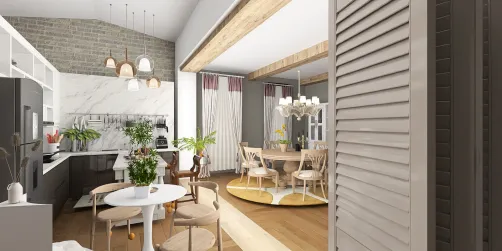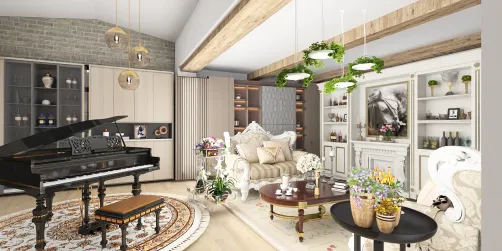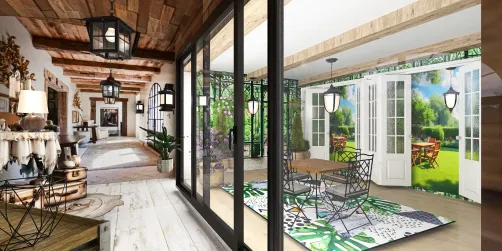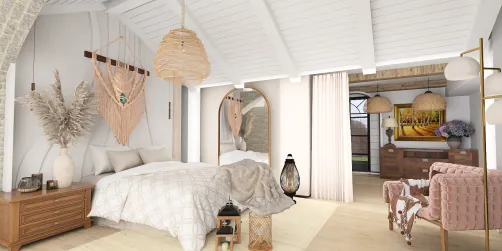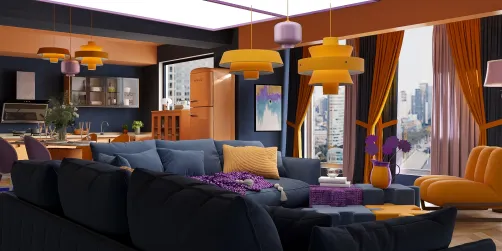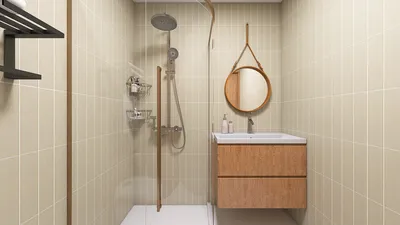
The future is enhancing our living spaces, yet many homes still struggle with issues like storage limitations, privacy concerns, and inefficient layouts. I recognize these trends and create two-bedroom floor plans as if they are preliminary frameworks for future living—where the true value lies in how we manage time and attention. Recent surveys from NAHB indicate a significant shift, as buyers increasingly prefer compact designs that prioritize functionality rather than mere size—this is where a thoughtfully designed two-bedroom layout becomes an essential instrument. Leveraging tools like Homestyler can greatly enhance the design process.
We find ourselves navigating between screens and mealtimes, balancing solitary work and communal activities; I ensure every detail is intentional, allowing spatial interfaces to function seamlessly and proactively.
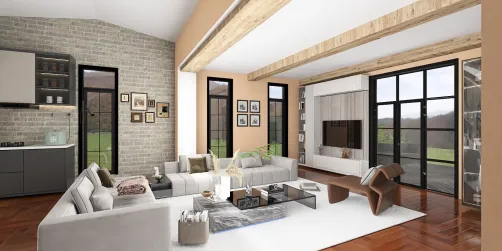
Option A: Split-Wing 2BR, 980 sq ft
Design Logic: Bedrooms are positioned at opposite ends, with a central living area; today's hybrid lifestyles necessitate sound separation and light sharing in this communal space.
Flow: Entry → coat storage → open kitchen (10’ x 12’) → living area (12’ x 16’) → hallway leads to BR1 (11’ x 13”) and BR2 (10’ x 12”).
Sightlines: The front door offers a view through the kitchen island to the balcony; bedrooms are intentionally placed off-axis to maintain privacy.
Storage: Features include a 24" deep wall pantry, 8’ closets in each room, and a linen closet in the hallway, creating an efficient storage solution that reduces retrieval time.
Furniture Fit: An 84" sofa allows for a comfortable 36" walkway; queen beds come with 30" side access; dining seating for four fits around a 36" x 60" table.
Verdict: This design offers a well-balanced framework: split wings mitigate noise disturbances while the center serves as a communal hub for everyday routines.
save pinOpen in 3D Planner Processing...
Option B: Gallery Spine 2BR, 1,050 sq ft
Design Logic: A unified 3’6” gallery hall functions as a distribution center, ensuring that natural light is abundant while providing access to various spaces.
Flow: Foyer → gallery → living/dining area (13’ x 18”) → kitchen nook (9’ x 11”) → transitions to bedrooms and bath areas; providing a seamless experience.
Sightlines: A long axial view is framed by partial slat screens; the design allows for a dynamic sense of depth.
Storage: Integrated hall cabinetry (18” deep) for coats and daily items; bedroom closets range from 6’ to 8’; overhead cabinets serve as practical storage.
Furniture Fit: A 95" sectional with 40" circulation space; a king-sized bed in the primary room with 36" on either side; desk nooks are designed as 48" modules for those working remotely.
Verdict: This spine design is adaptable for the future; a clear pathway allows for various daily routines to coexist without overlaps.
save pinOpen in 3D Planner Processing...
Option C: Corner Light 2BR, 900 sq ft
Design Logic: Utilizing corner windows effectively expands the perception of space; compact rooms enhance the flow of light as a vital resource.
Flow: Entry drop area (5’ x 6”) → L-shape kitchen (8’ x 10”) → living room (11’ x 15”) adjacent to the balcony → brief hallway leading to bedrooms (10’ x 11”, 9’ x 10”).
Sightlines: A diagonal sightline exists from the island to the corner windows; doors are staggered to maintain private viewing angles.
Storage: Equipped with platform bed drawers, a 24" deep credenza wall, and overhead kitchen cabinets extending to the ceiling—creating organized elevation.
Furniture Fit: A compact 72" sofa; round table measuring Ø40"; queen beds can be replaced with fulls if necessary—adaptations that maintain usability.
Verdict: Light serves as a significant asset: with clear measurements, even small rooms feel spacious, and the design remains coherent for years.
save pinOpen in 3D Planner Processing...
Final Takeaway
A two-bedroom floor plan is more than just size—it outlines how privacy, work, and socialization will come together harmoniously. Designs like the split-wing and gallery spine show that thoughtful layouts prioritize flow, visibility, and storage efficiency over mere square footage. In my work, I find that the most successful designs are those where furniture arrangements and storage solutions operate like a finely-tuned system, and I believe that precision through tools like Homestyler marks a quiet transformation that positions homes for the future.
Homestyler is an amazing online home design platform that empowers you to transform your space effortlessly. With its user-friendly design tool, stunning 3D renderings, and a wealth of DIY video tutorials, you can unleash your creativity and bring your design visions to life!