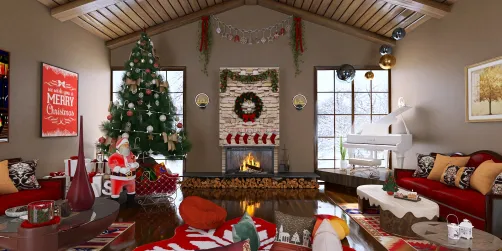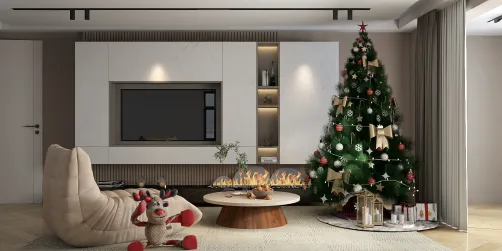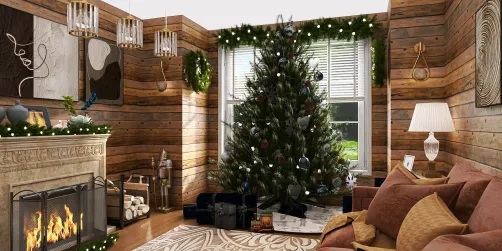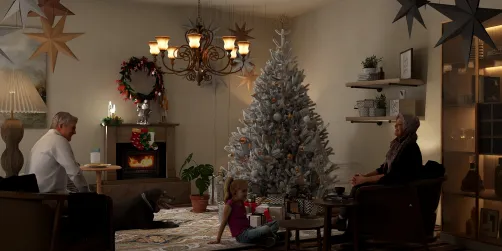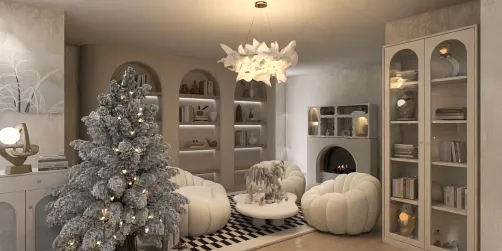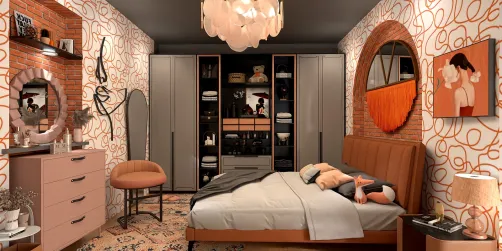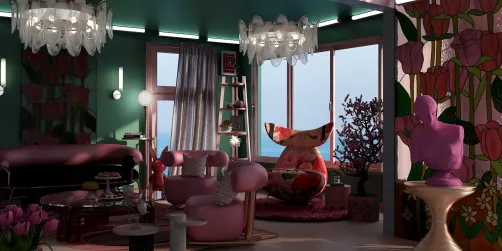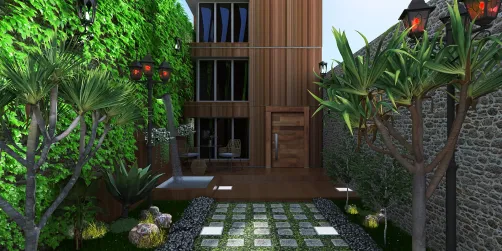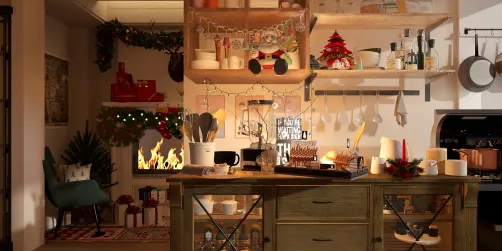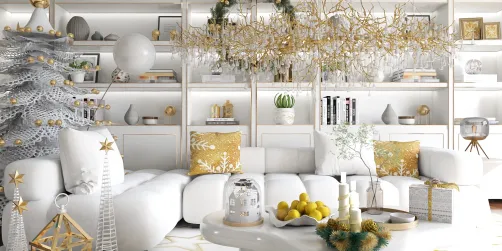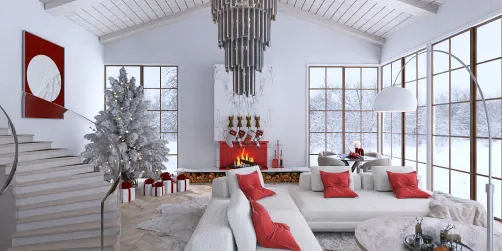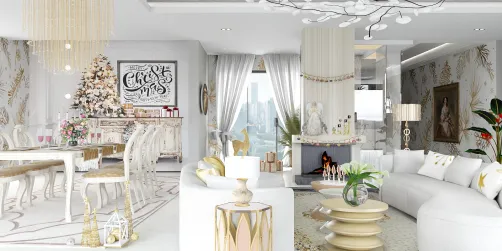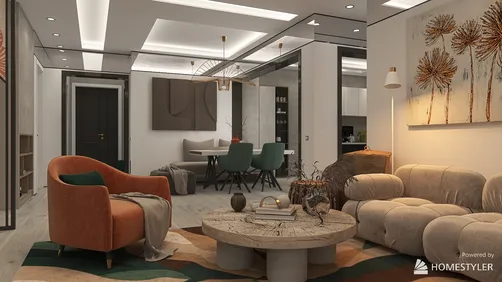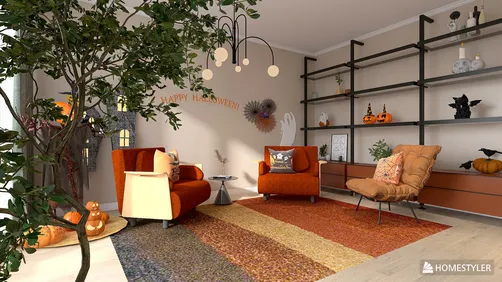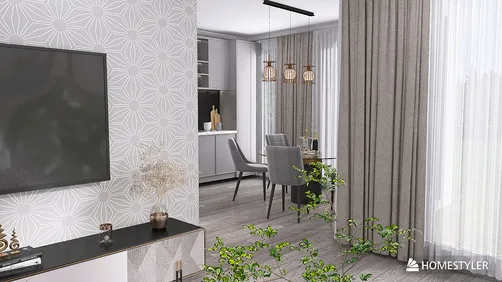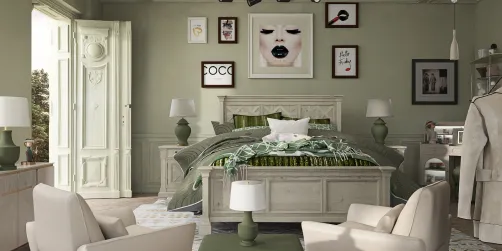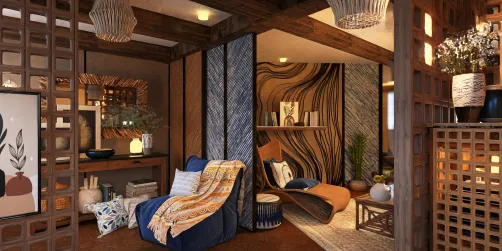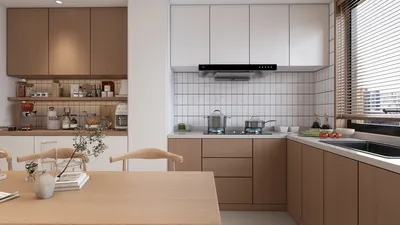
As we move towards the future, our living spaces need to adapt, particularly in terms of light, airflow, and decision-making processes. I conceptualize 2-BHK Vastu designs akin to software updates that enhance daily living rituals. According to the National Association of Home Builders (NAHB), modern homes are prioritizing smaller footprints that foster flexibility and efficient storage solutions. This thoughtful layout serves as a blueprint for behavioral patterns. The 2-BHK layout on the first floor must effectively orchestrate elements like sunrise, entryways, and privacy to reflect evolving lifestyles—indeed, the future is nearing, and I interpret its design blueprint through a spatial reasoning framework aided by tools such as Homestyler.
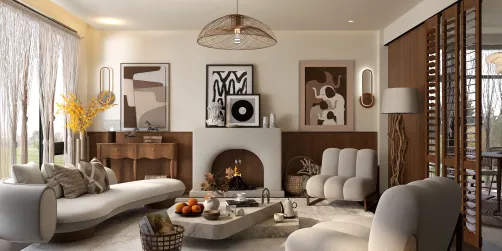
Sunrise-Optimized Two-Bedroom Design
Design Principle: Positioning the primary bedroom to the east, the kitchen southeast, and the living area northeast aligns Vastu principles with natural circadian rhythms, utilizing light as a daily energizer.
Flow: The layout moves seamlessly from entry to living area, then to the dining space, kitchen, bedroom cluster, and bathroom; ensuring no interference in the sleeping areas.
Sightlines: From the entrance to the focal wall in the living area, and then leading to the balcony—bedrooms are strategically placed to create a layered transition from public spaces to private ones.
Storage Solutions: Features such as a built-in foyer console, a sideboard for dining, wardrobes integrated into the bed walls, and a pantry column help manage kitchen heat effectively.
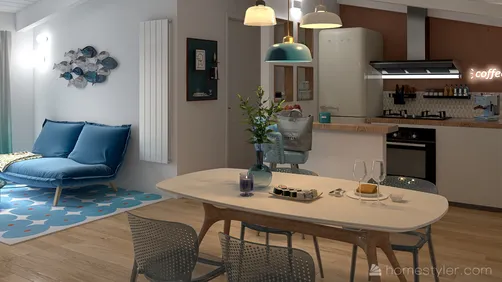
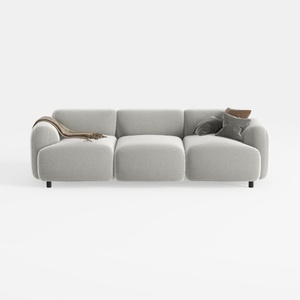
Furniture Arrangement: An 84" low-back sofa and a 72" oval dining table minimize movement hindrances; queen beds are designed with 30" clear space for easy movement, respecting the flow of activities.
Conclusion: This design framework operates like a reliable release—emphasizing bright routines, temperature regulation, and well-defined privacy, ensuring resilience for the upcoming years.
save pin
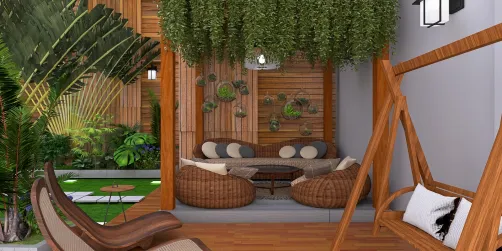
Courtyard Connection with Ventilation Focus
Design Principle: Incorporating a micro-courtyard or a ventilated light shaft close to the living-dining junction acts as a thermal and social hub, balancing Vastu with sustainable practices.
Flow: This layout facilitates movement from the living area to the courtyard pivot, dining zone, and then to the kitchen; bedrooms follow a separate corridor to minimize exposure to kitchen sounds and moisture.
Sightlines: Views from the perimeter are interrupted by the courtyard, serving as an informational buffer, while a subtle reveal to the bedrooms maintains their privacy.
Storage Options: Features include window-seat drawers, a vertical broom closet near the kitchen, and overhead lofts designed for long-term storage without cluttering the living area.
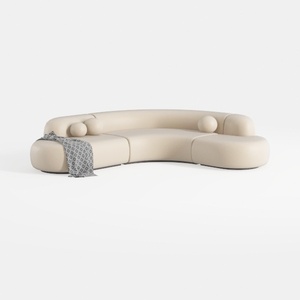
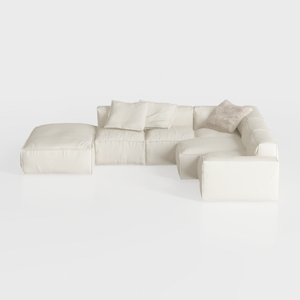
Furniture Arrangement: Modular sectional sofas placed in two 42" sections and an 18" deep dining bench ensure clear pathways, while balcony chairs maintain a 16" footprint to facilitate unobstructed views.
Conclusion: This courtyard design is the central pulse of the home, enhancing airflow, encouraging daily rituals, and providing a pause; it establishes a system that prepares for increased thermal demands in the future.
save pin
Southwest Stability with a Work Niche
Design Principle: The master bedroom is strategically located in the southwest to adhere to Vastu; the child’s or guest room is positioned to the east while a workspace in the north leverages cooler light for productivity.
Flow: The home layout guides you from the entry to the living area, then to a dedicated study, followed by bedrooms and a shared bathroom; the kitchen retains its southeast position, effectively maintaining exhaust pathways.
Sightlines: The work niche is oriented towards the living area to foster a sense of presence without distraction; bedrooms are intelligently placed further away to maintain tranquility.
Storage Solutions: Features include a peg grid on the study wall, under-bed storage solutions, and a linen tower positioned between the bathrooms to serve as shared storage for towels and seasonal items.
Furniture Arrangement: A 48" x 24" desk positioned near the north window, while the master bed at 60" x 80" is centrally placed with matching nightstands, with wardrobes limited to a maximum depth of 24" to ensure smooth movement.
Conclusion: The stability provided by the southwest corner secures the layout like a grounding server, while the northern workspace prepares for the hybrid work model as an integral routine.
save pin
## Final Thoughts
Designing a 2-BHK home on the first floor in accordance with Vastu principles is not merely about superstition—it's about creating an interface that harmonizes light, warmth, and movement with the routines of modern life. The two-bedroom configuration, finely attuned to entrances, corners, and the natural sky, functions like a compact operating system for families and remote work. Based on my observations, the most innovative two-bedroom dwellings of the future will embody the clarity of clean code—less space, more purpose—and what I consistently witness in my projects is that thoughtful spatial decisions can subtly enhance daily living experiences, especially when visualized with tools such as Homestyler.
Discover the joy of home design with Homestyler! This user-friendly platform features a powerful online design tool and stunning 3D renderings, along with countless design projects and engaging DIY video tutorials. Whether you're a beginner or an experienced designer, Homestyler brings your creative vision to life effortlessly!