

In compact living rooms, choosing the right furniture is essential to maintain a sense of openness while facilitating various activities like conversations, watching TV, and enjoying window views. Swivel chairs are an ideal solution as they save space, allow for effortless repositioning, and keep sightlines clear. In settings like open studios or micro-apartments, a pair of thoughtfully sized swivel chairs can offer greater versatility than a bulky sofa, enhancing both flexibility and traffic flow. Research from Steelcase indicates that environments encouraging varied postures improve comfort and reduce strain during prolonged sitting; the adjustable nature of swivel chairs allows for easy shifts in seating position without requiring much effort (Steelcase Research). Likewise, the WELL v2 standard also emphasizes the importance of posture variability and user choice in seating as it contributes to overall comfort and well-being (WELL v2).
Space efficiency is not merely a matter of aesthetics; it can be quantified. The Illuminating Engineering Society (IES) recommends well-balanced ambient lighting to minimize glare and visual fatigue, particularly in smaller rooms where light interacts with nearby surfaces (IES standards). Additionally, insights from color psychology suggest using muted cooler shades to create a perception of more space, as these colors tend to recede visually (Verywell Mind, color psychology). When combined with compact swivel bases and slender arms, these design elements collectively contribute to a lighter visual footprint without compromising on substance.
How to Properly Size a Swivel Chair for a Small Living Area
For urban living spaces ranging from 110 to 180 square feet, aim for a seat width of 24 to 28 inches and an overall depth of less than 32 inches. It's advisable to keep arm thickness under 3 inches to optimize the usable seat area. A comfortable seat height should be in the 17 to 19 inches range for easy transitions between sitting and standing; ensure a minimum clearance of 18 inches from the edge of the chair to the nearest object to allow for full rotation. If the chair has a tilt or glide feature, consider adding an additional 2 inches of clearance at the back.
Optimal Arrangement and Traffic Flow
Swivel chairs perform exceptionally well in transitional areas—be it in corners, next to windows, or flanking a compact coffee table. For the main traffic paths, maintaining 30 to 36 inches of width is optimal, while secondary paths can be slightly narrower at 24 to 28 inches. It's best to position swivel chairs at a slight angle—between 9 to 15 degrees—relative to the TV or focal point to minimize neck strain, allowing the swivel mechanism to easily pivot towards guests when needed. In L-shaped setups, positioning two swivel chairs across from a small sofa tends to be more effective than a sectional in limited spaces, as it allows for better passage behind the seating area.
When considering layouts, leveraging an interior layout tool can greatly assist in visualizing rotation clearances and traffic patterns prior to making a purchase. A quick check with a room layout planner can help you determine whether a 30-inch base would obstruct a side table or if moving the coffee table by a couple of inches would facilitate movement and accessibility. Utilize a practical interior layout planner to examine angles and pivot arcs, ensuring you can effectively maximize space: consider using the Homestyler for room layout planning.
Comfort, Ergonomics, and Daily Use Considerations
Swivel chairs are advantageous in everyday settings, allowing users to easily turn towards the conversation, adjust for light exposure while reading, or shift away from glare. Opt for chairs with a waterfall seat edge to reduce pressure on the thighs, lumbar support positioned about 4 to 6 inches above the seat, and a backrest angled between 100 to 110 degrees to facilitate relaxed discussions. If you occasionally work from your living room, selecting a chair with a medium density foam will help maintain posture during longer sessions, while a 360-degree swivel promotes effortless transitions between activities, whether it’s interacting with guests or multitasking with screens.
Types of Bases: What to Consider for Small Spaces
- Pedestal metal bases: These bases provide clean sightlines and a minimal visual presence, making them ideal for tighter rugs.
- Wooden star bases: Offering a warmer aesthetic, these slightly larger bases may require additional clearance consideration on lower tables.
- Swivel gliders: Perfect for spaces like nurseries or reading corners; using felt pads beneath the glider track can help protect delicate rugs.
- Return-to-center swivel: This feature aligns the chair back to its original position after standing, thus helping maintain visual order—ideal for those who appreciate a tidy appearance in small rooms.
Choosing the Right Materials and Maintenance Tips
Performance fabrics with over 30,000 double rubs in abrasion tests endure heavy use without showing signs of wear. For compact areas benefiting from ample natural light, select fabrics with moderate lightfastness to avoid uneven fading. Tightly woven textiles and small-scale textures do a better job at concealing lint and pet hair compared to deeper fabrics like velvet. If your living room also serves as a dining area, consider chairs with removable cushion covers for easier upkeep. For bases, powder-coated metal is a great option for resistance against scratches, and if you prefer wood, opt for a satin finish that reduces glare and visual clutter.
Achieving Visual Lightness: Color, Proportion, and Rhythm
To enhance the perception of space in a small room, coordinate the color of the chair with the wall colors to create a cohesive look, then introduce contrast with light-colored throws or piping to define edges without adding bulk. Additionally, try to keep the chair back below the window rail and align the heights of major seating elements within a 2-inch difference to create a calm aesthetic line. Pairing a slim swivel with a round coffee table measuring between 28 and 32 inches promotes fluid movement and reduces the chances of collisions with hard corners. Colors like cool grays, desaturated sage, or soft taupe work beautifully to recede visually, while warm accents may be introduced through throw pillows or side tables rather than the chair itself.
Lighting and Acoustic Considerations for a Swivel Chair
Controlling glare is crucial, especially for chairs that can rotate towards windows. Implement sheer curtains to gently diffuse daylight and use task lighting with 2700–3000K LED bulbs for evening use. Position task lights either behind or to the side of the chair at a 30 to 45-degree angle to minimize shadows on your reading materials and screens. For sound, a thick rug placed beneath the swivel helps absorb any noise from rotation, and adding fabric-wrapped panels or bookcases on opposite walls can mitigate echoes—especially beneficial in smaller rooms with parallel surfaces.
Recommended Layout Scenarios
- Micro living room (9’ x 11’): one loveseat and one return-to-center swivel positioned at a 12-degree angle towards the TV; include a 30-inch round coffee table and ensure 32 inches of clearance for the main path.
- Narrow room (10’ x 16’): two compact swivel chairs facing a slim 72-inch sofa; shift the coffee table by 3 inches to accommodate the swivel's arc.
- Studio area: place a pedestal-base swivel between the window and entertainment unit, utilizing small nesting tables in lieu of a single large side table.
Sustainability Considerations
Opt for kiln-dried hardwood frames, water-based finishes, and fabrics that are OEKO-TEX certified whenever feasible. Choosing a chair with a replaceable cover or modular cushion can extend its lifespan while minimizing waste. If you expect significant use, consider specifying commercial-grade fabric to reduce the need for multiple replacements over time.
Key Features to Prioritize
- Overall depth under 32 inches
- Full rotation (360 degrees), with an option for return-to-center functionality
- Waterfall front edge and lumbar contour for comfort
- Performance fabric with excellent abrasion resistance and lightfastness
- Selection of either pedestal or compact star bases
- Compatible with 28–32 inch round coffee tables for optimal balance
Frequently Asked Questions
To maintain comfort, select a seat width of 24–28 inches, an overall depth under 32 inches, and keep arm thickness under 3 inches for proportionate sizing. Ensure an 18-inch clearance for the swivel's arc and allocate 30 to 36 inches for primary circulation paths.
Absolutely, especially when equipped with lumbar support and a back angle of 100 to 110 degrees. Research from Steelcase establishes a connection between posture variations and increased comfort; swivel designs facilitate minute adjustments without needing to move the chair altogether.
Pedestal bases offer a lighter visual profile and are generally more compact. Alternatively, star bases present stability and a warmer wood aesthetic, but be sure to confirm the clearance necessary for low tables.
For those who favor an orderly appearance, return-to-center options automatically reposition the chair after standing, contributing to a composed environment. If your activities frequently alternate between different areas (TV, conversation, window), a standard 360-degree swivel will suffice.
Fabrics designed for performance, those exceeding about 30,000 double rubs, along with tight weaves and mid-tone colors, do an effective job at concealing wear and dust. If the living room also functions as a dining or work area, textile covers that are easy to remove will facilitate quick cleaning.
Layer sheer drapes with blackout or dim-out curtains, and opt for task lights in the 2700–3000K range that feature diffused shades. Position these lights 30–45 degrees from your line of sight to cut down on reflections while reading or using screens, in accordance with IES glare-control recommendations.
In spaces under about 170 square feet, using two compact swivel chairs along with a slender sofa tends to enhance circulation and adaptability better than a sectional. This configuration allows for creating open pathways while easily shifting between conversation and media viewing.
Use painter's tape to map out clearances and then experiment with a room design tool to simulate swivel arcs, coffee table placements, and varying traffic widths. A reliable layout simulation tool like Homestyler can help avoid potential collision issues.
Embrace warm-white LED lights in the 2700–3000K spectrum for comfortable reading and to maintain a laid-back evening atmosphere. Installing a dimmer can help you adjust the brightness to reduce eye strain in smaller spaces.
To modulate noise, place a thick rug beneath the swivel chair, complement it with soft furnishings across from the swivel, and consider fabric-wrapped panels or bookshelves to dampen echoes, as small rooms often amplify sound reflections.

LukeAlon Linen Counter Height Bar Stools Set of 2
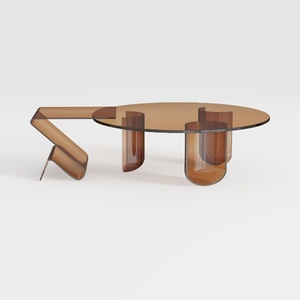
Round Coffee Table Modern Glass Coffee Table with
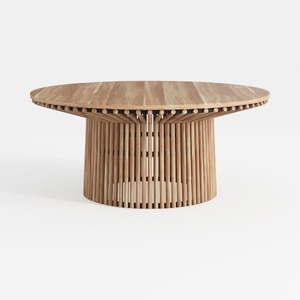

Merax Outdoor Dining Table 47.25" Round Extra
Homestyler is the ideal online home design platform for anyone looking to transform their space. With its user-friendly design tool, stunning 3D rendering options, a myriad of inspiring design projects, and helpful video tutorials, bringing your home vision to life has never been easier!
Diseño ahora GRATIS
































