

As a professional designer specializing in mid-size social venues, I often find that events with around 100 guests strike the perfect balance. They are intimate enough to foster connections, yet require skilled planning due to their complexity. When searching for the ideal banquet hall in Ahmedabad, it's crucial to consider factors like capacity, movement, lighting, acoustics, and the flow of service. This ensures that your guests feel comfortable and engaged, instead of feeling cramped or disconnected. According to WELL v2 standards, the recommended ambient illumination for social settings is approximately 150–300 lux, which enhances visual comfort while avoiding glare. Coupling this lighting with a warm color temperature of 2700–3000K creates a welcoming atmosphere for dining and socializing. Furthermore, research from Herman Miller indicates that circulation and spatial clarity significantly impact perceived comfort and satisfaction; hence, maintaining smooth pathways and adequate turning space can alleviate stress during busy service moments.
In my practice, I prioritize choices driven by data: guidelines from the IES suggest that hospitality venues should feature balanced vertical and horizontal lighting to accurately illuminate faces and minimize shadowy areas—an essential aspect for both comfort and photography. Behavioral studies from Steelcase reveal that well-marked areas and intuitive layouts lessen cognitive load, enabling guests to focus on interaction rather than navigation. These principles can effectively be applied to banquet setups involving clear entry points, coat storage areas, reception zones, dining arrangements, and stages. If you want to experiment with layout before making arrangements, consider using a room layout tool to visualize seating and circulation effectively, perhaps with a tool like Homestyler to create realistic simulations.
How Much Space Do You Really Need?
For seated dining arrangements featuring round tables (5 ft/1.5 m in diameter), it’s advisable to plan for 10–12 sq ft (0.9–1.1 sq m) per guest, taking into account aisles and service routes. Therefore, a banquet catering to 100 guests typically requires 1,000–1,200 sq ft (93–111 sq m) solely for seating. In addition, allocate 150–250 sq ft (14–23 sq m) for a compact stage or audiovisual area, around 100–150 sq ft (9–14 sq m) for a bar service, and another 150–200 sq ft (14–19 sq m) for a buffet, if needed. Should you anticipate dancing, consider allocating 3–4 sq ft (0.28–0.37 sq m) per dancing guest; for a 30–40% participation rate, this would translate to approximately 90–160 sq ft (8–15 sq m). In my experience, a comfortable total area for hosting 100 guests generally ranges from 1,400 to 1,800 sq ft (130–167 sq m), depending on the intensity of the program planned.
Essential Criteria When Shortlisting Halls
When assessing venues in Ahmedabad for a function of 100 people, I conduct a rapid five-factor evaluation:
Sample Layouts for 100 Guests
A round-table setup is effective: arrange eight 5 ft round tables seating 8–10 guests each. Incorporate a central aisle leading from the entry to the stage (at least 1.2 m wide) with lateral service aisles (1.0–1.2 m wide). Position the stage slightly off-center to minimize echo and create a more natural gathering area for photography opportunities. For a mixed agenda involving performances, toasts, and a meal, consider a fan-shaped seating layout that ensures unobstructed sightlines. Before finalizing your choice, conduct a trial run with an interior layout planner, like Homestyler, to confirm clearances, buffet queue lengths, and wheelchair accessibility.
Lighting Strategy That Flatters Guests and Photos
Layered lighting is always the best approach: maintain warm ambient lighting in the range of 150–300 lux, employ accent spots for the stage at 500–700 lux, and use softly washed perimeter lighting to create a visually spacious feel. Avoid cooler tones (above 4000K) during mealtime; warm lighting enhances the beauty of Indian celebratory attire and complexions. Make sure that dimmers are synchronized, enabling smooth transitions among speeches, meal service, and dancing. If the venue only provides fixed downlighting grids, consider requesting additional soft washes and adjustable spotlighting for the stage area.
Acoustic Comfort Without Killing the Vibe
Rooms with large, parallel walls may cause sound reflections; utilize fabric backdrops, carpet runners, and ceiling drapes wherever feasible. Adjust music volumes to stay below the conversation level, ideally the low-to-mid 60s dBA during meals. Ensure speakers are positioned away from hard edges and do not aim directly at table groups. In venues with highly reflective surfaces (such as stone floors or glass furnishings), implementing tactile area rugs around the dance floor and using drapes for the stage background can significantly improve acoustics.
Color Psychology for Warm, Social Energy
Employing warm neutrals with splashes of saturated colors encourages social interaction and stimulates appetite. According to Verywell Mind's insights on color psychology, warm shades (like reds and oranges) can enhance energy and engagement; therefore, judiciously integrate these hues into floral arrangements, table runners or backdrop highlights while keeping the foundational tones subdued. In terms of visuals, I favor using amber uplighting combined with soft taupe table linens and one vibrant accent color—think marigold, vermilion, or deep teal—to create an inviting backdrop without distorting skin tones in photographs.
Service Flow: Bar, Buffet, and Stage Placement
Position the bar approximately 30–40 ft from the entrance to minimize crowd congestion. For a single-sided buffet, ensure a minimum of 12–14 linear feet along with a 1.2 m pathway; for a dual-sided setup, 18–20 feet will expedite service for 100 guests. Maintain a 2.0 m safety zone around the stage to accommodate photographers and performers gracefully. If the kitchen is situated far from the dining area, stagger the release of tables to keep the food at ideal temperatures and reduce queues.
Shortlisted Layout-Savvy Picks in Ahmedabad (Selection Logic)
When visiting potential venues in Ahmedabad for a 100-guest event, here’s the perspective I adopt:
By applying these criteria, you can effectively distinguish between photogenic, guest-centric halls and simply spacious rooms.
Ergonomics and Human Factors at the Table
For 5 ft round tables, target seating of 8–9 guests to ensure comfort and orderly place settings. Maintain 18 inches (45 cm) of clearance from chairs to tables, as well as 36 inches (90 cm) between table edges to facilitate server access. Stage risers of 12–18 inches can enhance visibility without being overwhelming. Ensure centerpieces are positioned either below 12 inches or above 24 inches to maintain clarity of face-to-face conversations.
Tech and AV: Sound, Projection, and Power
It's beneficial to arrange two speaker columns flanking the stage for optimal sound distribution; add a smaller speaker towards the back if the venue is long. When setting up, ensure to test the microphones and note different volume settings for speeches versus music. If using projectors, select short-throw models to minimize shadows and elevate the screen at least 36 inches to optimize visibility. Always double-check the venue's backup power capabilities and its policies regarding sound levels during late-night events.
Sustainability and Materials
Opt for reusable decorative items, energy-efficient LED lighting, and engage local suppliers to mitigate transportation emissions. Renting linens rather than using disposables significantly reduces waste. If the venue provides induction buffet chafers, they offer safer and more efficient heat control compared to flames.
Timeline Template for a 100‑Guest Evening
– 5:30 pm: Vendor load-in, light and sound checks
– 6:30 pm: Doors open, soft music playing, bar ready
– 7:15 pm: Welcome toast with starters being served
– 8:00 pm: Buffet opens in two phases (first tables 1–5, then 6–10)
– 9:00 pm: Speeches followed by cake cutting
– 9:30 pm: Transition to dance floor lighting
– 10:45 pm: Last call for drinks
– 11:00 pm: Event concludes and load-out begins
Budget Checkpoints
Allocate approximately 35–45% of your budget for food and beverages, 10–15% for audio-visual and lighting, 15–25% for venue rental, 8–12% for décor and floral arrangements, along with a 10% contingency fund. Be sure to clarify what is included with the venue (tables, linens, essential AV equipment) to prevent unexpected additional costs.
FAQ
Aim for 1,400–1,800 sq ft of space for seated dining with a small stage, bar area, and optional dance floor. Pure seating can fit within 1,000–1,200 sq ft, but providing additional space enhances circulation and service comfort.
Target ambient lighting levels between 150–300 lux with warm 2700–3000K color temperatures, and ensure stage lighting is set at 500–700 lux during speeches and performances. Low glare conditions and the use of dimmers help facilitate smooth transitions between activities.
Round 5 ft tables comfortably seat 8–9 people and support effective conversation. Although long tables are visually appealing, they necessitate careful planning of aisles; maintain a minimum of 1.2 m width on main circulation paths.
Utilize a dual-sided buffet that measures 18–20 ft in length and stagger the release of tables. Ensure there is 1.2 m of clear space for the queue and provide a designated area for returning trays away from the serving line.
Incorporate fabric backdrops, carpet runners, and table linens with higher GSM (grams per square meter). Position speakers away from corners and set music volumes to be conducive to conversation during meals.
Simulate seating arrangements, aisles, and stage placements using a room layout tool; taking advantage of an interior layout planner like Homestyler can help explore multiple configurations and check sightlines.
Using warm amber lighting combined with neutral linens (such as ivory or taupe) and one bright accent color (like marigold, vermilion, or teal) delivers depth while ensuring a flattering effect on skin tones in photographs.
Estimate 3–4 sq ft per guest who will be dancing. If about 30–40 guests are expected to dance at once, reserve approximately 90–160 sq ft and position it near, rather than directly in front of, the main circulation paths.
Verify that there are at least two designated 15A power circuits available at the stage, conduct microphone tests ahead of time, confirm the projection throw distance, and prepare for backup power in case of outages.
Yes, for most 100-guest banquets, provided that lighting is layered and acoustic treatments are employed. Higher ceilings allow for better light bounce and offer more flexibility for décor options.
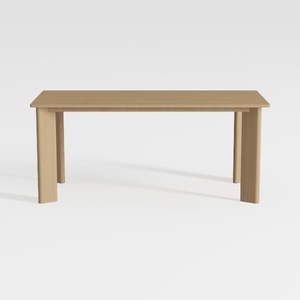

HON Coze Home Office Desks, Sturdy Table Computer
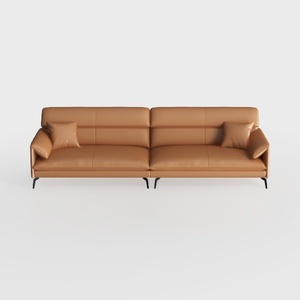
Valencia Jasper 85" Cognac Tan Brown 3 Seater Full

POLY & BARK Douro Side Table
Discover your home’s potential with Homestyler! This user-friendly online design platform offers an innovative design tool, stunning 3D renderings, and a wealth of inspiring design projects and video tutorials. Whether you're a beginner or an experienced decorator, Homestyler makes transforming your space enjoyable and accessible.
Diseño ahora GRATIS
































