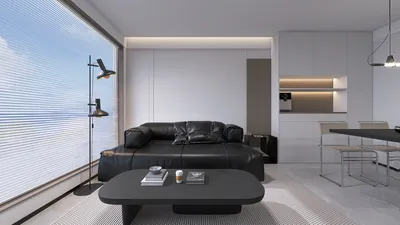


I once worked with a client who envisioned a kitchen reminiscent of a Scandinavian spa, yet needed to accommodate three children, two dogs, and a pressure cooker. This challenge illustrated that neutrality can be both striking and functional. During this renovation, I crafted what I affectionately termed a "calm fortress," merging soft hues with durable materials, resulting in a space that was both soothing and practical.
Tackling small spaces often leads to smarter design choices, and leveraging neutral color schemes can serve as a hidden advantage. For those in search of straightforward inspiration, here are five neutral kitchen concepts I frequently draw upon, complete with insights from industry professionals, potential pitfalls, and budget-conscious recommendations — along with a layout example that I applied in a recent compact renovation using Homestyler.
1. Layered Neutrals: Combining Warm, Cool, and Textured Finishes
I enjoy mixing warm greiges with cool stone grays and incorporating various textures such as matte cabinetry, honed countertops, and a wooden island. This approach provides depth without overwhelming color; however, it can feel one-dimensional if all finishes are too similar.
Tip: Incorporate three distinct surface textures (matte, satin, natural wood) along with one accent metal to keep the design vibrant, no matter the budget.
save pin
2. Monochrome with Contrasting Elements
Adopting a monochromatic scheme — whether all white or all beige — can make a kitchen appear more spacious and tranquil. Nevertheless, I always include contrasting details like black hardware, venting, or darker grout lines. These subtle contrasts prevent the kitchen from resembling a bland set.
Practical note: darker accents tend to hide fingerprints better, but they necessitate precision in installation; misaligned accents can be glaringly obvious.
save pin
3. Matte Cabinets and Natural Stone Countertops
Matte cabinetry offers a contemporary aesthetic while being forgiving; pairing it with natural stone countertops gives character without introducing color. This classic combination is timeless, although stone can be expensive. To save costs, consider a smaller stone feature area and use a solid surface elsewhere.
For layout inspiration, I often refer to a kitchen design case study where a slim island and stone apron made a compact space feel bespoke while remaining budget-friendly.
save pin
4. A Balance of Open Shelving and Closed Storage
Neutral open shelving can display pottery and wooden items while closed drawers conceal clutter. I suggest placing open shelves at eye level with deep drawers underneath; styling open shelves requires effort, so if regular tidying isn't your thing, reserve them for plants or curated decorative items.
Budget tip: floating shelves are affordable and can be changed out seasonally—an easy way to refresh without a full renovation.
save pin
5. Layered Lighting and Subtle Accents
Effective neutral design employs layered lighting — ambient, task, and accent. Pendant lights above an island can become sculptural focal points even in muted tones. The challenge lies in wiring and placement; investing effort into lighting design can help avoid glare and unappealing shadows.
When I present completed spaces to clients, I often showcase a 3D rendering using Homestyler, allowing them to visualize light and materials before finalizing decisions. Experiencing the design in three dimensions prevents unexpected surprises and last-minute changes.
save pin
FAQ
Q1: What comprises a neutral kitchen palette? Neutrals generally include whites, beiges, greiges, soft browns, and muted grays. I recommend selecting a primary neutral and two supplementary shades to create depth.
Q2: Are neutral kitchens timeless? Absolutely—neutral palettes rank among the most enduring choices, highlighting materials and forms over fleeting color trends. Updating hardware or lighting can rejuvenate the aesthetic without a total remodel.
Q3: How can I make a neutral kitchen feel inviting? Incorporate warm woods, brass or warm metallic accents, layered lighting, and textured fabrics. These elements instill warmth without introducing bold colors.
Q4: Does white outperform gray in terms of resale? Both colors are appealing to buyers, but many view white as a safer choice since it conveys cleanliness. Gray can look modern and sophisticated when applied thoughtfully.
Q5: How do I prevent a neutral kitchen from appearing flat? By mixing textures and finishes, introducing a contrasting accent (even if minimal), and utilizing layered lighting. A patterned grout or a wood-toned island can also break the monotony.
Q6: What are some budget-friendly alternatives to stone countertops? Options like engineered quartz, solid surface materials, or porcelain slabs mimic natural stone at a lower cost and with less upkeep. Smaller stone details can also provide a premium look without the hefty price tag.
Q7: Where can I find dependable design recommendations? The National Kitchen & Bath Association (NKBA) offers widely respected standards and trend reports in the industry (visit nkba.org for resources).
Q8: What’s the best way to efficiently plan a neutral kitchen layout? Start by identifying workflow zones (prep, cook, clean), prioritize storage solutions, and visualize sightlines. For potential issues, using a case study or a 3D model with Homestyler can identify challenges early and save costs later.
save pin
Discover your inner designer with Homestyler! This user-friendly online platform offers a powerful design tool, stunning 3D renderings, and an extensive library of DIY video tutorials. Whether you're planning a renovation or just dreaming, Homestyler makes home design engaging and accessible for everyone!
Diseño ahora GRATIS
































