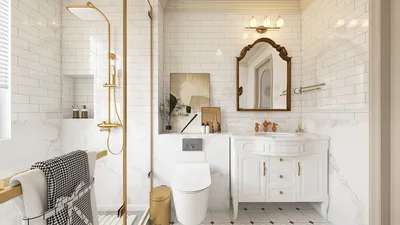


In my view, modern wall lighting serves a dual purpose as both art and function—these pieces not only look elegant when turned off but also provide the perfect ambiance when illuminated. In living rooms, the placement of wall lights plays a crucial role in setting the mood; they can enhance evening rituals, diminish glare from screens, and highlight the textures of the materials you've selected. Achieving an ideal arrangement involves a well-thought-out, layered, and dimmable lighting scheme where wall luminaires manage both ambient and accent needs while allowing ceilings to remain uncluttered and visually clear. Utilizing tools like Homestyler can assist in planning these layouts effectively.
The foundation of good design is rooted in measurable comfort. According to the Illuminating Engineering Society, living rooms should have illumination levels between 100 to 300 lux based on the activities being performed and the age of the occupants, with an evening baseline of around 150 to 200 lux considered practical. Combining this with a warm color temperature of 2700 to 3000K creates a homely atmosphere, and a high Color Rendering Index (CRI) of 90+ ensures colors appear true-to-life. Furthermore, research from Herman Miller emphasizes the link between lighting quality, user control, and comfort—offering adjustable lighting has shown to enhance satisfaction in spaces that blend work and relaxation. These two key factors—suitable illuminance and user-adjustability—should inform your selection and positioning of fixtures. For in-depth insights into ambient quality in mixed-use spaces, consider referencing studies from Steelcase and Herman Miller.
Beyond numerical parameters, the emotional impact of color and lighting is significant. Verywell Mind notes that warm whites foster relaxation, while cooler shades keep you alert. For living rooms, I suggest utilizing warm to neutral white light combined with dimming capabilities for evening times. If your living space doubles as a work or reading area, incorporating an additional light scene with a color temperature of 3000 to 3500K can enhance cognitive performance without detracting from the overall ambience. The ultimate aim is to customize light temperature and intensity to fit your everyday activities—be it streaming movies, reading literary works, enjoying family discussions, or appreciating tranquil mornings.
Core Principles for Modern Wall Lighting
• Layer your lighting: Use wall lamps (for both ambient and accent light) alongside floor or table lamps to provide task lighting and visual interest. Keeping ceilings clear maintains a modern minimalistic aesthetic.
• Manage glare: Select options with indirect or shielded optics. Shallow sconces that throw light upwards or diffused linear fixtures provide soft illumination on walls and comfortable lighting for the face, preventing the sterile feel that glare can introduce.
• Dimming is essential: Strive for smooth dimming capabilities—consider using 1–10V, TRIAC/ELV, or smart dimming options such as app or keypad controls. Living rooms are best at outputs between 15% and 40% in the evenings.
• Honor material texture: Choose grazing effects for plaster, stone, or textured wood to enhance visual interest. For smooth surfaces, wall washes offer a cleaner look than tight grazing to prevent unsightly spots.
• Maintain human scale: Position sconces at 60 to 66 inches (152 to 168 cm) above the finished floor; in rooms with elevated seating lines or taller occupants, an adjustment to 66 to 70 inches may be beneficial. It's important to test visibility from seated positions.
Modern Wall Light Styles That Work
1) Slim linear sconces: These have minimal profiles and provide forward or indirect lighting, making them ideal for complementing artwork or defining elongated walls. Opt for high-CRI lighting rated at 2700 to 3000K, preferably with frosted lenses.
2) Articulating arm sconces: Perfect for reading nooks; seek out fixtures with pivoting heads and asymmetric beams to avoid creating scalloped patterns on the walls. Finishes in matte black, brushed brass, or bronze add a touch of elegance over time.
3) Up/down cylindrical designs: These create rhythmic patterns with evenly spaced scallops on textured walls. Using wide light spreads ensures smoother transitions and maintains consistent alignment.
4) Orbit and disc shapes: Opal glass or acrylic discs provide soft light distribution, and grouping two or three vertically forms a sculptural element.
5) Architectural grazers: Slim LED bars positioned 4 to 8 inches from textured surfaces enhance depth, proving to be most effective on stone, brick, or Venetian plaster.
Placement & Spacing Guidelines
• Maintain even rhythm: For lengthy walls, position sconces at intervals of roughly 1/3 to 1/4 the wall length, adjusting based on beam spread and furniture arrangement. Consistent spacing helps maintain visual harmony from main seating areas.
• Art flanking: Install sconces 6 to 12 inches away from the edges of a frame and a bit above mid-height to minimize bright spots; opt for diffused optics, and if artwork is protected with glass, lessen the forward throw or adjust the angle of the lights.
• Corridor transitions: In connecting living areas, ensure there are 50 to 100 lux at the floor level to guarantee safe movement; indirect sconces can help reduce glare when entering from well-lit regions.
Scene Setting: From Movie Nights to Reading Hours
Contemporary living rooms often serve multiple purposes. I create three distinct scene settings:
• Welcome: Set wall lights to 40 to 60%, with table lamps at 20 to 30%, using a warm tone of 2700 to 3000K. The goal is to create warm, inviting layers with low glare.
• Movie: Reduce lighting to 10 to 20% on wall fixtures only; avoid directing beams towards screens and windows. If lights flank a TV, utilize shielded indirect models.
• Reading/Working: Increase lighting to 60 to 80% at targeted sconces or table lamps, with an option of 3000 to 3500K. Utilize narrow beams to prevent light spillage onto screens or reflective surfaces.
Material and Finish Options
I prefer materials like powder-coated metals, anodized aluminum, or solid brass for durability. In coastal or humid environments, opt for marine-grade finishes. When it comes to diffusers, opal glass surpasses acrylic in comfort and longevity, although high-quality PMMA performs well in lightweight fixtures. If you’re considering grazing natural finishes (such as limewash, tadelakt, or stone), do a sample test of the beam first—certain surfaces can unexpectedly hotspot.
Glare, Contrast, and Visual Comfort
Creating comfortable modern spaces is more about managing contrast than merely increasing brightness. Aim for luminance ratio moderation between tasks and backgrounds; avoid direct views of diodes by selecting deep-set or opal-diffused optics. If your living room features glossy finishes, lean towards indirect or wall-wash optics to reduce unwanted reflections. Always consider mounting height and tilt tests against seating to preemptively avert eye-level glare.
Color Temperature & Dimming Strategies
• Warm baseline: Aim for 2700 to 3000K lighting for evening environments, with a high CRI (90+) to reflect natural skin tones and materials authentically.
• Dual-mode: If reading or working takes place in the living room, introduce a secondary lighting temperature of 3000 to 3500K for enhanced clarity.
• Dim-to-warm LEDs: These mimic the gradual color transition of halogen bulbs from 3000K down to 1800 to 2200K as they dim, making them ideal for movie settings.
• Uniformity: Keep the Correlated Color Temperature (CCT) within ±100 to 200K across all fixtures to maintain consistent color presentation.
Integrating Wall Lights with Furniture Layout
Begin by defining your seating arrangements, then align the wall luminaires to anchor those groups effectively. If your design plan is still evolving, using a digital layout simulation tool can help you visualize sightlines, symmetry, and wall spacing before finalizing electrical installations. Tools like Homestyler can be particularly useful for this purpose.
Modern Wall Light Inspiration by Living Room Style
• Soft Minimal: Opt for slim matte-white up/down bars, set to 2700K dim-to-warm, positioned in pairs near shelving units. Conceal junction boxes for a seamless appearance.
• Mid-Century Inspired: Choose brass articulating sconces paired with opal globes. Maintain consistent heights across open-plan areas for unified visual flow.
• Textured Contemporary: Utilize linear grazers to emphasize stone or fluted wood; complement with a single disc sconce for an accent touch.
• Dark & Moody: Select narrow-beamed, blackened metal cylinders with low dimming capabilities; use with deep wall colors for striking shadow patterns.
• Light & Airy: Choose satin-nickel discs that provide soft diffusion; raising the mounting height slightly can elongate wall appearances.
Electrical Planning & Smart Controls
Wall lights require dedicated circuits complete with dimmers. If you foresee future adjustments to your furniture layout, install rough-ins at also symmetric locations but refrain from connecting until final arrangements are decided. For homes equipped with smart technology, scene controllers have proven to be more beneficial than color-changing options—presetting light levels and fade times will create a comfortably lived-in ambiance. Always check that drivers are compatible with your dimmer type; mismatched drivers on a single dimmer might lead to flickering.
Acoustic and Visual Cohesion
In spaces with hard surfaces, lighting can enhance every texture and reveal echoes. Introduce softer materials such as rugs, curtains, and plush upholstery to maintain a cozy feel; using wall lighting that grazes over fabric panels or book spines not only adds warmth but also promotes acoustic tranquility. Be cautious not to over-light shelves filled with shiny objects—opting for wider, softer beams can help mitigate this issue.
Sustainability Considerations
Opt for LED modules and drivers that are field replaceable, avoiding sealed units that cannot be maintained. Choose metal and glass over short-lived plastics. Look for verified lumen maintenance such as L70 ≥ 50,000 hours along with designs that allow for servicing. Smart dimming schedules can enhance energy efficiency and prolong the overall lifespan of components.
Essential Checks Before Purchase
• Photometrics: Verify the beam angles and distribution types (wide wash vs. narrow spot).
• Luminosity: Aim for 300 to 700 lumens for ambient layers; task lighting should be additional.
• Backplate dimensions: Ensure that they adequately cover junction boxes and align with decorative trim.
• Finish samples: Assess under your room’s existing lighting conditions as color undertones may alter based on CCT and wall hues.
References & Further Reading
For evidence-based recommendations, I often refer to the Illuminating Engineering Society for guidance on suggested illumination levels and glare management strategies, alongside Herman Miller’s research publications focusing on human-centered comfort in varied spaces. These resources are invaluable for making informed residential decisions:
• Illuminating Engineering Society standards: ies.org/standards
• Herman Miller research: hermanmiller.com/research
FAQ
Q1. What brightness level is suitable for modern wall lights in a living room?
A1. For ambient lighting, fixtures should ideally provide 300 to 700 lumens based on the room size and various lighting layers. Aiming for an overall space illumination of around 150 to 200 lux during evenings is recommended, allowing for personal adjustments as needed.
Q2. Which color temperature is optimal?
A2. For evenings, 2700 to 3000K imbues a warm and relaxed feeling. If the space also serves as a reading or work area, consider incorporating a secondary setting at 3000 to 3500K. Additionally, dim-to-warm lighting technology can provide both options using a single fixture type.
Q3. At what height should wall sconces be mounted?
A3. The general recommendation is to position them at 60 to 66 inches (152 to 168 cm) above the floor in most spaces. In taller areas or when viewed mainly from seated positions, consider setting them at 66 to 70 inches for a better visual experience. Testing from your main sofa in the dark can be crucial for proper height adjustment.
Q4. How can I prevent glare on my TV?
A4. Use indirect or shielded sconces, directing beams away from screens while favoring wall wash rather than direct optics near media walls. Dim those lights separately during movie viewing.
Q5. Is it feasible for wall lights to replace ceiling fixtures?
A5. Yes, if they are coordinated with floor or table lamps and adequately planned for appropriate brightness levels. Ensure visually consistent spacing and consider adding discrete ceiling lighting in expansive rooms for balance.
Q6. Which finishes appear most modern and timeless?
A6. Materials such as matte black, brushed brass, satin nickel, and architectural bronze generally maintain relevance across design trends. High-quality coatings and sturdy materials like aluminum or brass should be prioritized.
Q7. Are smart control systems a good investment?
A7. Definitely—scene-based dimming enhances comfort and promotes energy savings. Keep the setup straightforward with fundamental presets (welcome, movie, reading) and smooth transitions. Ensure driver compatibility with the type of dimmer employed.
Q8. How do I illuminate textured walls while avoiding harsh patterns?
A8. Opt for broader beam angles, increase the distance from the wall slightly, and lower output levels. Grazing lights placed closer to the surface emphasize texture effectively; washers positioned further away help soften transitions.
Q9. Is Color Rendering Index (CRI) important for living rooms?
A9. Absolutely. Select fixtures with a CRI of 90 or higher to ensure natural representation of skin tones and materials. Poor CRI can render woods dull and fabrics lifeless.
Q10. What about living rooms that need to double as workspaces?
A10. In these cases, incorporate a brighter lighting scene with a cooler color temperature (3000 to 3500K) for focused work. Keep wall lights on a separate dimmer to maintain calm in lounge areas after hours.
Q11. How many wall lights should I install?
A11. It's recommended to start with one sconce every 6 to 10 feet on longer walls, adjusting based on beam spread, lumen output, and surrounding furniture. Balancing both ends of the room prevents any visual heaviness.
Q12. Can I retrofit fixtures without opening walls?
A12. Yes, consider using plug-in sconces equipped with cord covers, or employ surface-mounted raceways that can be painted to match your walls. Strategically plan cord paths for symmetry while maintaining an intentional appearance.

Discover the creativity of home design with Homestyler! This user-friendly platform offers a dynamic online design tool, stunning 3D renderings, and a wealth of design projects. Plus, dive into DIY home design with engaging video tutorials that guide you every step of the way. Transform your space effortlessly!
Diseño ahora GRATIS
































