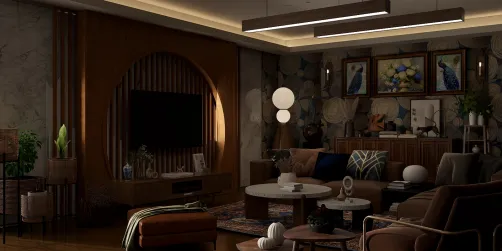
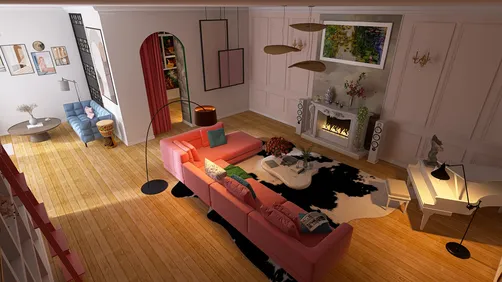
As we look ahead to future living arrangements, today's families confront challenges such as fragmented spaces, seasonal clutter, and overlooked energy efficiency. Recent data highlights a growing demand for outdoor spaces and adaptable layouts in residential design. This evolving context is redefining the three-bedroom cabin floor plan into a more serene system tailored for everyday life. Utilizing a spatial reasoning toolkit becomes crucial as we integrate technology into our routines—this is where the cabin transcends nostalgia and emerges as a modern interface supported by tools like Homestyler.
Courtyard Spine With Split-Private Wings
Design Logic: A central glazed spine functions like a connectivity protocol, allowing for shared natural light while positioning bedrooms in a way that minimizes noise and creates distinct thermal zones, corresponding with biophilic design trends and the needs of remote work.
Flow: Starting from the entry mudroom, moving through the spine gallery to the living area, and then branching out to wing A (the primary suite) and wing B (designated for children or guests); daily routines can follow parallel paths without interference.
Sightlines: The long axial view toward the trees serves as the home’s heads-up display (HUD), with staggered cross-views that provide layered privacy.
Storage: Features like a mudroom cache, bench cubbies, an attic hatch above the spine, and linen stacks at each wing ensure quick and easy access for seasonal gear.
Furniture Fit: The design accommodates a 10-12 ft sofa, maintains clearances of 36 inches for circulation, features queen-size modules, and a 30-inch workstation niche for each space—creating a tightly integrated, future-ready environment.
Verdict: After enduring five winters, this spine design effectively maintains social engagement while confining chaos to the perimeters; the layout ages like reliable software, ready for future adjustments.
save pin
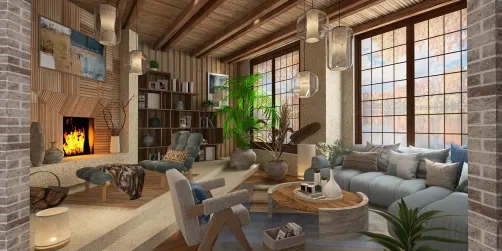
Great-Room Core With Lofted Utility Mezzanine
Design Logic: A spacious great room that combines cooking, dining, and a central fireplace as primary activities; bedrooms are strategically placed in the corners to enhance thermal mass and provide quiet spaces, preparing for future electrification improvements.
Flow: From the side entry into a pantry buffer, moving to the kitchen island hub, the hearth, and extending to the terrace; nighttime routines diverge into the corners with minimal interference.
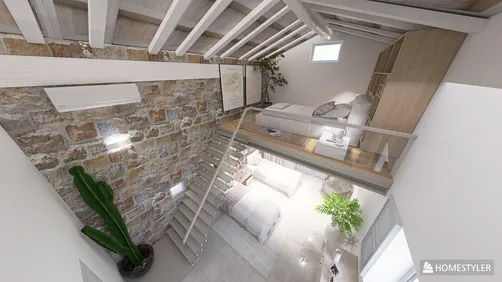
Sightlines: The vertical sightline to the loft serves as a status indicator, while horizontal views prioritize the hearth, forest, and social interaction in that sequence.
Storage: A walk-in pantry serves as a cold cache, under-stair drawers optimize space, and an exterior shed acts as offsite storage; clearly labeled zones decrease cognitive load when accessing items.
Furniture Fit: The layout features a 9-10 ft kitchen island, 42-inch aisles in the kitchen, an extendable 84-inch dining table, and modular lounge seating—each component respects the flow of movement.
Verdict: This central area ensures a warm and inviting host experience while keeping noise levels manageable; in five years, it will accommodate electric vehicle equipment and solar installations seamlessly.
save pin
Wrapped Porch Ring With Micro-Flex Node
Design Logic: A surrounding porch functions as a content delivery network (CDN)—distributing shade, mud, and places to pause; inside, a micro-flex space can transform into an office, nursery, or yoga room as needed.
Flow: The layout flows from the porch ring to two entry points (formal and service), continuing to a corridor that connects all rooms; inclement weather is gracefully managed through the service door.
Sightlines: Open corners provide expansive 270° views of changing weather and light; interior viewpoints converge toward the dining table as the social nucleus.
Storage: Continuous porch lockers, window seat bays, and stair kneewalls ensure everything is accessible and organized according to its designated timeframe.
Furniture Fit: A 60-inch round table fosters equal participation, twin-over-full bunk beds, and a fold-in 30x60 desk; this design anticipates layered usage throughout.
Verdict: The porch ring facilitates climate adaptation and manages occupancy well; five years down the line, it will function resiliently as a foundational hub for family interactions.
save pin
Final Takeaway
The three-bedroom cabin layout is more than just a callback to rustic living—it represents a future-oriented interface that efficiently channels heat, light, and human activity with purpose. Variants like three-bedroom designs, family-centric cabins, and forest retreat layouts illustrate how small elements—porches, spines, and micro-flex rooms—redefine the overall living experience. From my perspective, the most innovative homes of the future won’t necessarily be larger; they will be more intentional in their designs, potentially facilitated by platforms like Homestyler.

Homestyler is a fantastic online design platform that empowers you to create stunning interiors with ease. Its user-friendly design tool, impressive 3D renderings, and diverse portfolio of design projects, along with informative DIY video tutorials, make home design accessible and enjoyable for everyone!