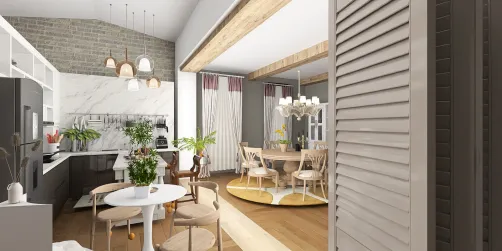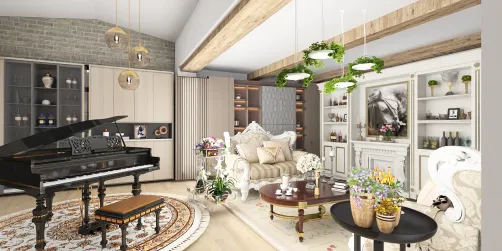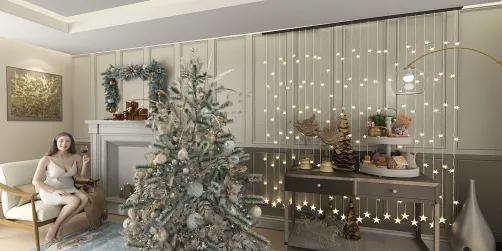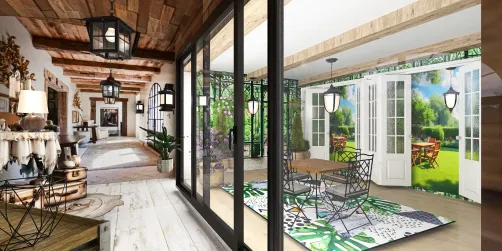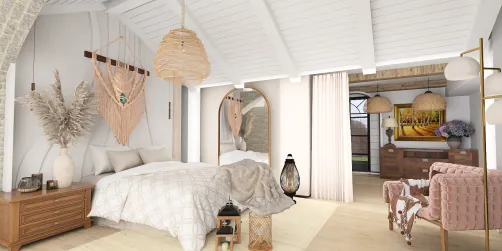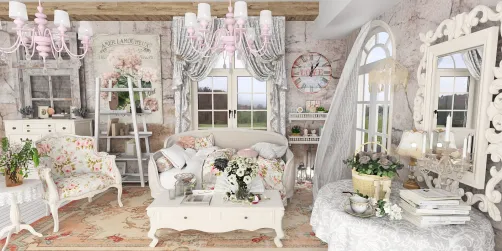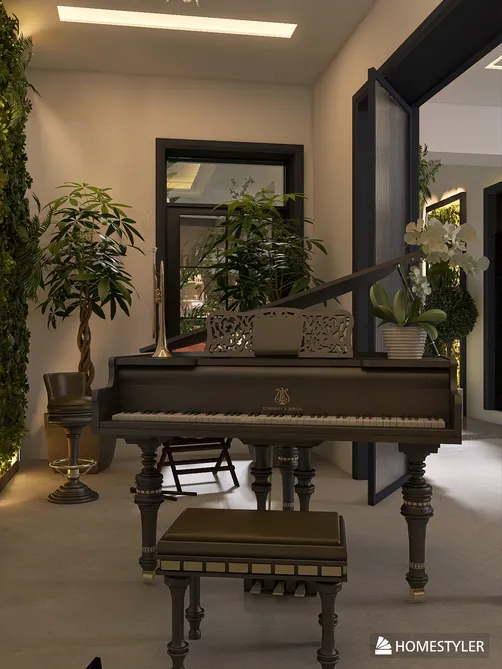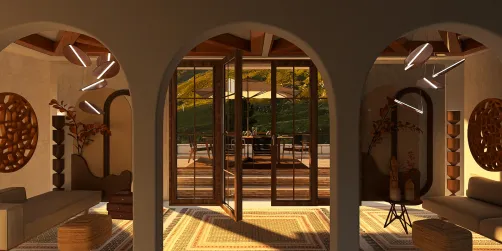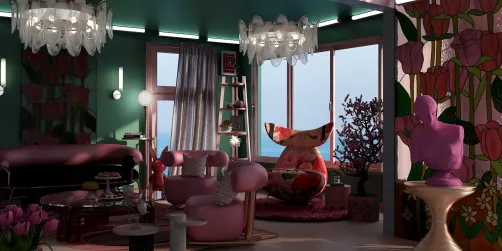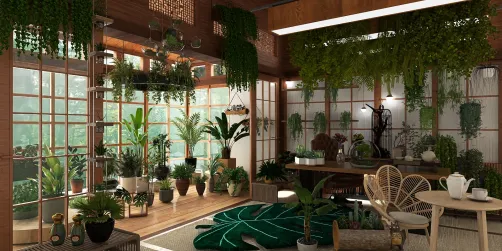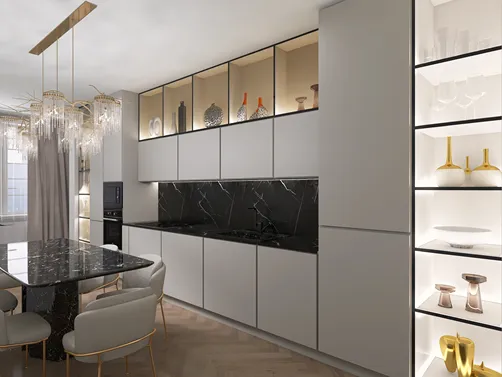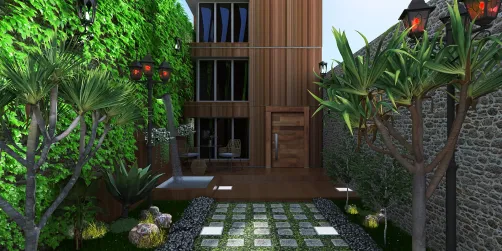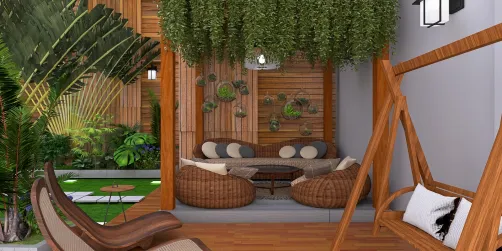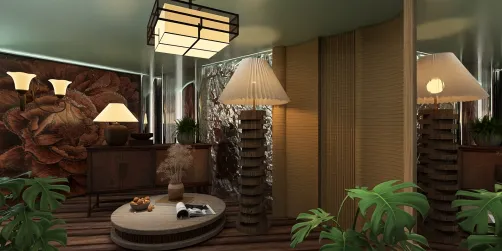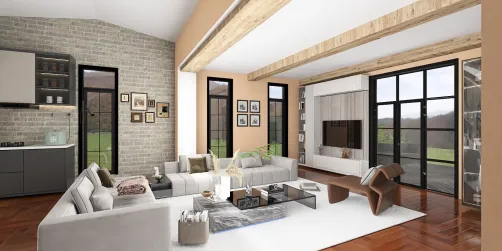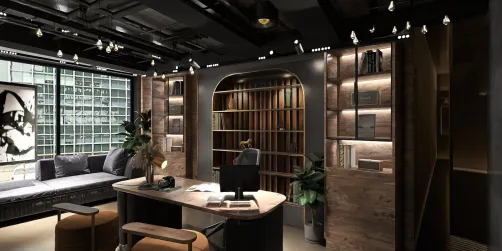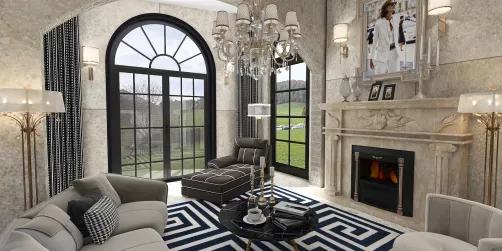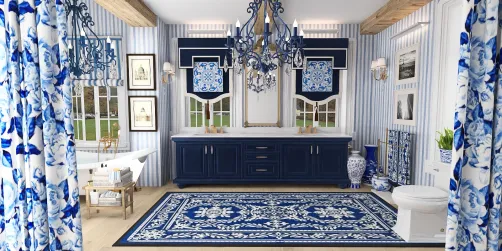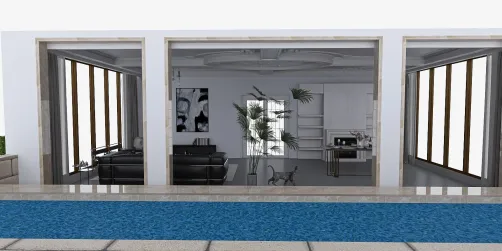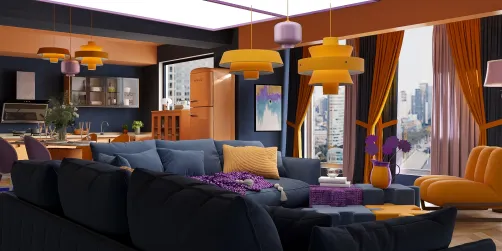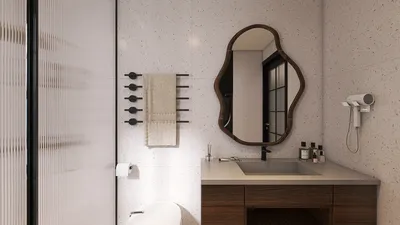
The concept of transmission light is critical in various domains such as optics, photography, and notably, interior design. To put it simply, transmission light occurs when light successfully passes through a material instead of being reflected or absorbed. The extent to which light can pass through a material is influenced by factors such as its opacity, thickness, surface texture, and color. For example, clear materials like glass windows permit most of the light to filter through, enhancing clarity and visibility. In contrast, materials like frosted glass, which are translucent, disperse light, balancing brightness with privacy without eliminating illumination entirely. Conversely, opaque materials completely obstruct light transmission. A thorough understanding of transmission light is vital for crafting inviting, functional, and aesthetically pleasing interior spaces. As a designer, I frequently evaluate how natural light interacts with window treatments, partition materials, and fabrics to maximize light and set the desired mood. Choosing the appropriate materials—such as soft translucent curtains—can significantly improve ambiance and energy efficiency. When embarking on a new project, I focus on utilizing the potential of natural light transmission to enhance both functionality and visual appeal. This underscores the importance of effective design tools, such as 3D rendering platforms like Homestyler, which allow designers and homeowners to visualize and fine-tune how different materials and their arrangements influence light dynamics within a space before finalizing their choices.
Tips 1:
Pay attention to the orientation of your windows and the type of materials surrounding your space. For instance, south-facing windows receive ample sunlight, increasing light transmission, and necessitating careful selection of transparent or translucent materials to ensure comfort.
FAQ
Q: What does transmission light mean?
A: Transmission light refers to the process of light passing through a material, rather than being reflected or absorbed, which affects visibility and brightness in a defined area.
Q: How does transmission light influence interior design?
A: It affects the distribution of natural light, atmosphere, privacy, and even energy efficiency, depending on the materials chosen for windows, partitions, and other design elements.
Q: What materials are optimal for maximizing transmission light?
A: Clear glass is excellent for high transmission, while frosted or textured glass can diffuse light, providing an inviting softness while maintaining privacy.
Q: Is it possible to visualize transmission light before renovation work begins?
A: Absolutely! You can use design tools like Homestyler to simulate the effects of light transmission, allowing you to optimize your design selections ahead of time.
Q: Does the color of a material influence light transmission?
A: Yes, lighter colors tend to enhance light transmission and reflection, brightening spaces, while darker colors absorb more light, leading to a cozier, dim ambiance.
Homestyler is the ultimate online platform for home design enthusiasts! With its easy-to-use design tool, stunning 3D renderings, and a wealth of DIY video tutorials, you can create and visualize your dream spaces effortlessly. Get inspired and transform your home today!