


In smaller apartments and studio residences, selecting furniture that serves multiple purposes is essential. A sleeper sofa sectional provides adaptable seating options during the day while transforming into a cozy bed at night, all without compromising space management or storage solutions. My goal with compact layouts is to choose furnishings that cater to daily activities and accommodate guests, ensuring that the overall visual flow remains serene and clutter-free.
Effective space planning starts with concrete measurements rather than assumptions. As per the guidelines from the National Kitchen & Bath Association (NKBA), it is advisable to have major walkway clearances of 36 inches for optimal movement. In tighter living areas, I consider 30 inches a practical benchmark to prevent obstructions while still allowing the sectional to convert into a sleeper configuration. Following the WELL v2 standards, it’s crucial to create sleep-friendly environments that are quiet, softly illuminated, and thermally comfortable. Convertible sofas should enhance both acoustic privacy and lighting quality when they are adjusted for sleeping. I achieve minimal glare by selecting light bulbs in the 2700–3000K spectrum and using dimmers to lower contrast during nighttime.
Understanding color theory is also crucial. According to insights from Verywell Mind on color psychology, shades of blue and soft greens contribute to a tranquil atmosphere, whereas bold reds may stimulate energy levels. In small living areas that need to double as sleeping spaces, I lean towards muted hues—such as dusty blue, warm gray, and soft forest green—to minimize visual stimulation and create an airy feel. For fabric choices, I opt for tightly woven performance materials that ensure durability and ease of maintenance, paired with matte finishes to help mitigate harsh reflections in compact spaces.
Essential Measurements and Layout Strategy
My first step involves outlining a standard sectional's footprint: the long side typically measures between 84 and 110 inches, while the chaise or shorter side spans 60 to 84 inches. When incorporating sleeper mechanisms, an additional 52 to 60 inches of clearance is necessary, often requiring the coffee table to be relocated or nested beneath the chaise. To maintain comfort, there should be at least 18 inches between the front edge of the seating and a low table for knee space; when the bed is extended, ensure there’s at least 24 to 30 inches available on one side for nighttime navigation. If your living space also serves as a dining area, consider using slim-profile chairs that can tuck under the table to keep the path to the sleeper clear.
Selecting the Right Configuration
When deciding between a left-arm or right-arm chaise, consider the main flow of traffic in the area. If the entrance is along the long side of the sectional, place the chaise opposite to avoid obstructing the doorway. Corner units maximize utility in square rooms, while a compact L-shaped design featuring a bumper chaise conserves space while providing a full-width sleeping surface. For multifunctional studios, a reversible chaise offers flexibility to adjust as your needs shift. Utilizing a room layout tool, such as Homestyler, can help visualize pull-out space and traffic patterns, ensuring that the mattress can open smoothly without interference from walls or furniture.
room layout tool
Comfort, Support, and Sleep Quality
The design of the sleeper mechanism and the type of mattress are pivotal for ensuring restful nights. Seek out tri-fold foam or hybrid coil options with depths ranging from 4 to 6 inches for optimal pressure distribution. For daytime use, I recommend high-resilience foam cushions (HR 2.5+ density) coupled with sinuous spring support—this ensures durability and comfort for extended lounging. Acoustic comfort can greatly enhance the perception of restfulness; consider incorporating soft materials, area rugs, and lined curtains to absorb sound and minimize reverberation, keeping nighttime disturbances to a minimum. Lighting for reading should be maintained around 300 to 500 lux and dimmed to 50 to 100 lux when transitioning to sleep.
Material Selection and Sustainability
Choosing durable performance fabrics that resist stains and have removable covers makes maintenance manageable in small living quarters. Opt for frames made from FSC-certified wood or recycled steel and prioritize low-VOC finishes to minimize indoor air pollutants—especially crucial in confined spaces where contamination levels can quickly increase. A matte weave helps reduce glare, while tactile bouclé can provide warmth but should be used sparingly to avoid overwhelming the area. Sustainability considerations extend beyond materials; opt for modular sectionals that allow for interchangeable components (such as chaise, armless middle, or corner units) rather than complete replacements.
Visual Balance and Spatial Ratios
In smaller rooms, aim for a visual ratio of 60/30/10 among predominant shapes, secondary accents, and smaller focal points. The sectional should dominate the space, with a slender media console and one accent chair to maintain a cohesive rhythm without adding excess visual weight. Choosing furniture with legs elevating the pieces off the ground exposes more floor space, giving a sense of openness compared to skirted alternatives. Introduce vertical elements, such as a tall plant or floor lamp, to draw attention upwards while avoiding heavy decorations above the sectional that might feel overwhelming.
Workflow and Behavioral Patterns
Living in a studio often requires smooth transitions from day to night. Incorporate nesting tables or a lightweight ottoman that can be easily moved. Consider placing a wall hook or slim cabinet near the foot of the sleeper for convenient bedding storage, and opt for a breathable bin for pillows to prevent clutter. For those working from this area, angle the sectional so the camera aligns with a calm backdrop; ensure a swivel clearance of 24 to 30 inches is available for a compact task chair without obstructing the sleeper when in use.
Lighting and Glare Control
Layering lighting sources is effective: use one diffuse ceiling light, two adjustable lamps set between 2700 and 3000K, and a low-glare task lamp with shielding features to minimize direct exposure to light sources. Adhere to IES recommendations to regulate veiling reflections by opting for matte finishes and indirect lamp placements. To maintain restful sleep, blackout or double-lined drapes can effectively block external light, while a low-intensity nightlight near the bathroom aids safe navigation without harsh illumination.
Ergonomics for Daily Use
Seating heights ranging from 17 to 19 inches are suitable for most individuals. A back pitch of approximately 100 to 110 degrees offers comfortable support for lounging without causing slumping. Arm heights should be around 24 to 26 inches for ease of standing up. For hosting gatherings, consider a pull-out design with smooth, low-torque mechanisms so one individual can manage the conversion safely. For accessibility needs, keep the sleeping surface no higher than 20 inches to facilitate transfers.
Storage and Integration
Maximizing under-chaise storage is crucial in compact dwellings—reserve this space for bedding and seasonal items. Utilize wall-mounted shelves above media components to free up floor space and consider a slim vertical cabinet in corners for linens and a collapsible tray table. Ensure the coffee table remains within 18 inches for easy access; if a lift-top is necessary, verify that it won’t disrupt the sleeper’s pull-out path.
Trending Styles (2024–2025)
The current trend in small-space design favors compact, modular forms with softened edges. Neutral color schemes combined with textured fabrics create an elevated yet tranquil atmosphere. Sleeper solutions increasingly incorporate performance linen, microfibre suede, and recycled polyester. Multi-height side tables and portable task lighting are essential for adaptable living arrangements. In micro-loft designs, there is a noticeable preference for warm wood finishes, brushed metal accents, and discreet storage options beneath chaise units—creating a residential aesthetic that conceals functionality.
How I Verify Fit Before Purchase
I recommend taping the entire footprint on the floor, including both the sectional and sleeper extension. Walk the path to confirm a minimum circulation of 30 inches wherever feasible; if measuring 24 inches, check for potential conflicts with doors and drawers. Additionally, sit in chairs with the taped layout to simulate actual usage. It’s beneficial to photograph the arrangement and evaluate sightlines while taking note of glare and reflections at various times throughout the day. A layout simulation tool, such as Homestyler, can validate clearances and allow for rapid iterations before making any final decisions.
layout simulation tool
Avoid the following common missteps: oversizing the chaise and blocking main walkways; choosing glossy finishes that heighten glare; selecting thick arm profiles that consume vital inches; neglecting to account for bedding storage; overlooking mattress thickness and support; and opting for rigid coffee tables that impede movement when the sleeper is in use.
Authority and Research
For more comprehensive advice concerning workplace comfort transitioning to home ergonomics, research from Steelcase offers valuable information on posture and support that can inform seating choices. Incorporating the strategies from WELL v2 can enhance performance in aspects like light, air, and comfort relevant to residential spaces. It’s important to keep these resources in mind when balancing aesthetic preferences with overall wellbeing.
steelcase.com/research | v2.wellcertified.com
Frequently Asked Questions
Q1. What is the minimum clearance needed to open a sleeper sectional?
A1. Allow for a pull-out depth of 52 to 60 inches, along with a side clearance of 24 to 30 inches, to ensure safe movement around the furniture. As much as possible, keep main pathways close to 30 to 36 inches.
Q2. Which type of mattress is ideal for regular guests?
A2. A 4 to 6 inch hybrid or high-density foam mattress provides superior pressure relief compared to thinner options. For frequent overnight stays, focus on a tri-fold design with defined support areas.
Q3. What strategies can I use to minimize glare in a diminutive living room that doubles as a bedroom?
A3. Implement matte finishes, use indirect lighting, and select warm LED bulbs (2700–3000K). Add lined curtains to block outside light and dim lighting levels to 50–100 lux at bedtime.
Q4. What sectional layout works best in a studio apartment?
A4. A compact L-shape design with a bumper chaise or a reversible chaise would be effective. Ensure the chaise is positioned opposite the main entry to avoid crowding.
Q5. How can I maintain a sense of openness in the space?
A5. Select legged furniture to expose more floor and follow a clean 60/30/10 visual balance. Limit heavy wall-mounted shelving above the sectional and choose lightweight, movable tables.
Q6. What are some effective bedding storage solutions?
A6. Utilize under-chaise storage for linens, install a slim vertical cabinet, or organize pillows in breathable bins. Keep storage accessible within a short distance from the sleeper for convenience during nightly setups.
Q7. What seat dimensions are optimal for comfort?
A7. For most users, a seat height of 17 to 19 inches, a back pitch of 100 to 110 degrees, and arm heights of 24 to 26 inches promote comfort. Pairing this with high-resilience foam cushions adds durability.
Q8. How do color choices affect sleep quality in multifunctional rooms?
A8. Research on color psychology indicates that muted blues and greens foster calmness; avoid vibrant reds. Maintaining a cohesive color scheme can minimize visual distraction.
Q9. Is it possible to use a lift-top coffee table with a sleeper sectional?
A9. Yes, but ensure its lift mechanism and dimensions do not interfere with the pull-out area. Maintain an 18-inch reach when it’s closed, and ensure it’s easy to move when the bed is in use.
Q10. What sustainability features should I consider?
A10. Look for FSC-certified wood frames, recycled metal construction, low-VOC finishes, and modular pieces that allow for updates rather than complete replacements to lessen environmental impact.
Q11. How can I enhance acoustics to benefit guest sleep?
A11. Incorporate rugs, upholstered furnishings, and lined curtains to absorb sound, minimizing echo. Ensure mechanical noises are kept low and avoid positioning the sleeper near loud appliances.
Q12. How should I strategize before making a purchase?
A12. Define the full footprint by taping it on the floor, evaluate circulation space at 24 to 30 inches, and utilize a room design visualization tool like Homestyler to analyze clearances, line of sight, and furniture movement.
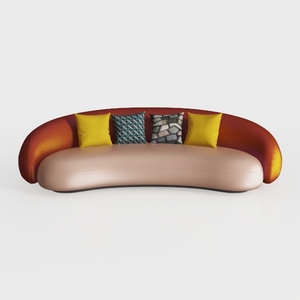
Modern Sectional Sofa Set - with Coffee Table and
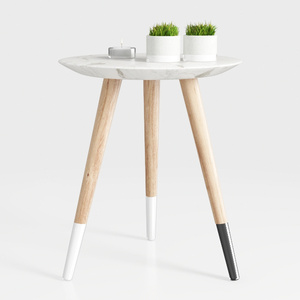
Round End Table - 2-Tone Mid-Century Modern Home

Lazzo Rattan Coffee Table Mid Century Modern Cente
Discover the creative power of Homestyler! This user-friendly online home design platform offers an impressive design tool, stunning 3D renderings, an extensive collection of design projects, and helpful DIY video tutorials. It's your go-to resource for bringing your interior design dreams to life effortlessly!
Diseño ahora GRATIS
































