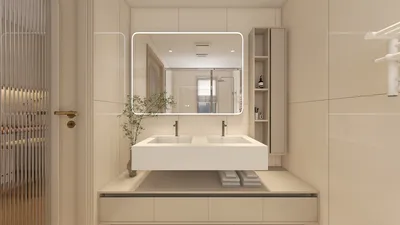


Stackable washer-dryer combinations maximize precious square footage in your home, but achieving efficiency hinges on skillfully arranging the layout, lighting, and storage according to your actual usage. In my designs, I focus on establishing dedicated work zones—such as sorting, washing/drying, folding, and storing—ensuring that even a compact 24–36 sq ft area can function seamlessly like a spacious laundry room. Research confirms the significance of environment: the WELL v2 Lighting framework suggests aiming for 300–500 lux for task lighting on work surfaces to significantly alleviate visual fatigue during sorting and stain-removal tasks (WELL v2 L03). Additionally, findings from Steelcase indicate that well-defined, uncluttered spaces promote smoother workflows and reduce cognitive overload, a principle that applies just as effectively in utility areas as in office settings.
Ergonomic design pays off in everyday convenience. Herman Miller's human factors insights highlight the importance of optimal reach distances between 24–48 inches for commonly performed tasks. When applied to laundry design, it's crucial that detergent bottles and controls are positioned within this range to lessen the need for bending and reaching. Color psychology also plays a role: according to Verywell Mind, cooler shades like blue and soft gray can visually enlarge smaller rooms while fostering a tranquil ambiance—particularly beneficial when maximizing function in a 30-inch closet setup. For those mindful of standards, the Illuminating Engineering Society (IES) suggests aiming for higher task illuminance with low-glare optics around reflective machines to minimize glare during nighttime usage.
Plan the Foundation: Clearances, Ventilation, and Accessibility
Begin by assessing the footprint required for your stackable units, along with service areas: typically, 24–27 inches wide per unit, 74–80 inches tall when stacked, and a side clearance of 1–3 inches depending on the specific model. Allocate 4–6 inches behind the setup for hoses, venting, and vibration clearance, ensuring at least 30 inches of space in front for loading and maintenance. If you opt for a vented dryer, chart out a direct, short duct path to minimize lint buildup and energy loss; for ventless or heat pump models, confirm that condensate drainage is correctly managed. It's vital to make shutoff valves and clean-out locations easily accessible—avoid cabinetry that traps them.
Utilizing Vertical Storage to Maximize Functionality
Given the verticality of stackable units, it's essential to design storage solutions that leverage height while preventing inaccessible top shelves. My recommendation is to implement a 12–15 inch deep tall cabinet alongside the stack, with adjustable shelves positioned within the optimal 24–48 inch reach zone for items like detergents, stain removers, and dryer sheets. Store lighter items—like paper products and spare hangers—above 60 inches. To keep cleaning supplies organized, incorporate a narrow 6–9 inch pull-out between the machine and the wall; this will keep bottles upright and visible. Additionally, a shallow upper cabinet above the dryer can accommodate mesh bags and delicate items, while a flip-down ironing board integrated into a 4-inch wall recess can conserve valuable floor space.
Countertops and Folding Surface Optimization Strategies
For setups with front-load machines positioned side by side, a continuous 24-inch deep countertop provides an ideal station for folding and pretreating garments. Above stacked units, consider installing a 12–16 inch deep floating shelf located at 36–38 inches high for convenient folding access. I always recommend water-resistant materials for countertops—such as compact laminate, quartz, or sealed birch plywood—along with a 3–4 inch backsplash to manage water splashes effectively. For compact laundry spaces within hallway closets, think about a drop-leaf countertop that hinges down to just 4 inches when not in use, saving space.
Lighting: Prioritize Task Lighting, Eliminate Glare
Small laundry areas often struggle with inadequate lighting. To combat this, I suggest layering your lighting setup: use low-glare LED downlights (UGR < 19 wherever possible) for overall illumination, add a linear under-cabinet light providing 300–500 lux over the counter, along with a vertical wall wash to brighten darker corners and improve visual comfort. Neutral-white lighting at 3500–4000K ensures colors remain accurate when inspecting for stains. Position light fixtures wisely to prevent reflections on appliance doors. Utilizing a motion sensor in pass-through designs can save energy, while a low-light cove illuminates the area for early morning cycles without disturbing others in the home. Referencing WELL v2 lighting guides and IES task illuminance tables will aid in achieving a well-lit utility space.
Noise Control and Vibration Management
Loud noises from spinning cycles can detract from comfortable living environments. To diminish this, consider placing anti-vibration pads beneath the machine feet, ensuring the floor remains level and firm (reinforce joists if necessary), and using a 1/2 inch rubber underlayment under floating LVP flooring to absorb any impact. On shared walls, employing mineral wool insulation in stud cavities, combined with resilient channels and 5/8 inch Type X gypsum, can significantly reduce sound transmission. Installing soft-textured finishes—such as fabric laundry hampers, runners, and fabric-paneled doors—can help manage sound reflections without occupying excessive space.
Ergonomics and Safety Considerations
Mount the dryer door in a way that it swings away from the washer, facilitating a smoother transfer of items. Install wall hooks at a height of 60 inches for air-dry garments, and include a retractable 3–4 foot drying line situated over a drip-friendly area. Position the heaviest items within the knee-to-shoulder height range. Clearly label concealed shelves to minimize search times. If children are present in the home, utilize magnetic child locks on lower cabinets and ensure that chemicals are stored at heights exceeding 54 inches.
Color, Material Choices, and Maintenance Ease
Light-reflective surfaces effectively enhance the perceived space of laundry rooms. Choose satin white or light gray cabinetry (LRV 70+) alongside a mid-tone floor to create a balanced feel while reflecting light. Opt for moisture-resistant finishes: use MDF or marine-grade plywood for cabinets, epoxy-painting walls around sinks, and applying mildew-resistant silicone at the perimeter joints. A patterned porcelain floor with narrow grout lines (1/8–3/16 inch) can cleverly conceal lint and scuffs. Color theory supports using blue and green hues to evoke cleanliness and tranquility, especially beneficial when the room serves dual purposes as a mudroom.
Smart Storage Solutions for Sorting and Workflow
Incorporate three narrow hampers for lights, darks, and delicates beneath a 36-inch high countertop, each measuring 10–12 inches wide. Introduce a slim rail to hang spray bottles on the side of the cabinet. A magnetic strip placed on the tall cabinet can hold smaller items: scissors, sewing needles, and lint removers. For households that engage in bulk washing weekly, a dedicated cubby for each family member can streamline the process and minimize movements. If you wish to experiment with various layouts before installation, utilizing an interior layout planner would enable you to mock up door swings and countertops with a room layout tool.
Ventilation and Maintaining Indoor Air Quality
Aim to provide between 50–100 CFM of dedicated exhaust if the laundry area is enclosed, ensuring that there's a makeup air source by undercutting the door. Heat pump dryers introduce humidity; therefore, a small continuous fan or HRV connection can prevent condensation. Select low-VOC paints and sealants; it's prudent to avoid storing chlorine bleach near acidic substances to prevent harmful fumes. A simple hygrometer can be a useful tool in maintaining relative humidity levels below 60%.
Access Solutions: Doors, Entrances, and Multi-Functional Design
Implementing bifold or pocket doors can recover floor swing area and improve access to stacked machines. If the laundry space opens to a hallway, consider using acoustically lined doors (STC 30+) for added sound insulation. Include a charging drawer for handheld steam cleaners, alongside a narrow broom closet (10–12 inches) to accommodate a stick vacuum. In compact apartments, I have successfully integrated a foldable table into a 3-inch wall cavity, which operates with a push-to-open latch—ideal for quick folding tasks without obstructing movement.
Design Trends for 2024-2025 in Compact Laundry Solutions
Ventless heat pump dryers are becoming increasingly popular due to their energy efficiency and versatile installation options. Integrated pull-out sorting systems and concealed storage rails help provide a calm visual aesthetic. Matte appliances can minimize glare and fingerprints. Innovations like smart leak detectors and automatic shutoff valves are now considered essentials, especially in stacked laundry setups adjacent to living areas.
Reliable References and Research
For in-depth discussions on task lighting and human factors, dive into the WELL v2 standards and the IES guidelines applicable to residential task settings. Workplace research conducted by Steelcase and Herman Miller regarding workflow, cognitive strain, and ergonomics translate effectively into laundry spaces, providing insights into reach zones, visual clarity, and posture-friendly designs. For trustworthy data supporting these recommendations, refer to WELL at wellcertified.com and Steelcase Research at steelcase.com/research.
Frequently Asked Questions
Design your space to have a footprint of 27–30 inches wide by 30–34 inches in depth, with a height ranging from 74–80 inches, plus an allowance of 4–6 inches behind for hoses or vents and 30 inches clear in the front for ease of loading and maintenance.
For effective lighting, target 300–500 lux on the folding area, utilizing low-glare under-cabinet or linear lights designed in the 3500–4000K range, as recommended by WELL v2 and IES.
Indeed, the absence of an exterior duct simplifies installation and lowers energy usage. Ensure continuous or intermittent ventilation and establish a route for make-up air.
Achieve a level installation for your machines, incorporate anti-vibration pads, ensure the subfloor is sturdy, and install acoustic materials (mineral wool, resilient channel, and 5/8 inch gypsum) on adjoining walls when necessary.
Materials like quartz, compact laminate, and well-sealed hardwoods such as birch or maple excel in this setting. Avoid using unsealed MDF or porous stone near wet zones without proper sealing.
Position frequently used items within the 24–48 inch reach zone to minimize unnecessary bending and reaching, aligning with ergonomic principles derived from workplace designs.
Utilize three slender pull-out bins (10–12 inches each) underneath a 36-inch high countertop, or choose slim rolling carts that can neatly fit beside the stackable washer-dryer unit.
Choose pocket or bifold doors to save floor space and improve front access. Upgrade to acoustically lined doors (STC 30+) if the laundry closet opens into shared living areas.
Indeed. Light, cooler shades (soft blues and grays) enhance perceived spaciousness while promoting a tranquil atmosphere. Finishing with higher LRV surfaces can bounce light efficiently, reducing casting shadows and visual noise.
Store chemicals at heights above 54 inches or securely in locked cabinets. Keep acids separate from bleach, and focus on proper ventilation to avoid buildup of fumes.
If you frequently hand-wash or pre-treat items, having a 15–18 inch bar sink with a pull-out faucet can be exceedingly useful. If not, a fold-down work surface may be more beneficial.
Align the dryer door to swing opposite the washer door, creating a clear and unobstructed path for transferring clothes efficiently from the drum to a folding surface.

Guidecraft EdQ Cubby Toy Storage Organizer w/ 8


66in Tall Bookshelf 6-Tier Small Narrow Bookcase
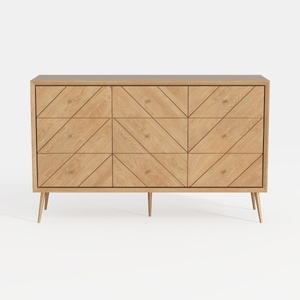
Tribesigns Sideboard Buffet Cabinet with Storage
Homestyler is an outstanding online home design platform that empowers you to create your dream spaces effortlessly. With its intuitive online design tool, stunning 3D renderings, diverse design projects, and helpful DIY video tutorials, you'll find inspiration and support for every home improvement endeavor.
Diseño ahora GRATIS
































