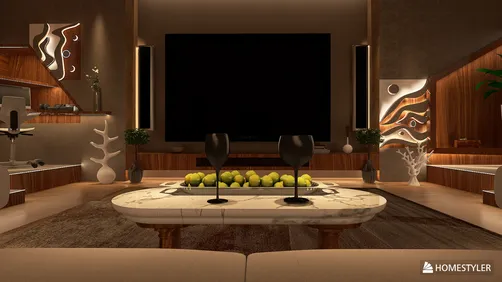
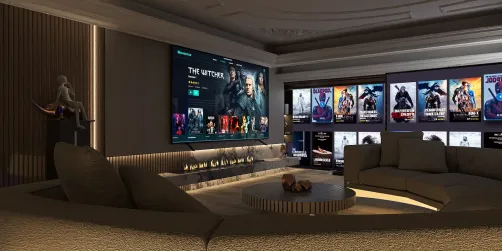
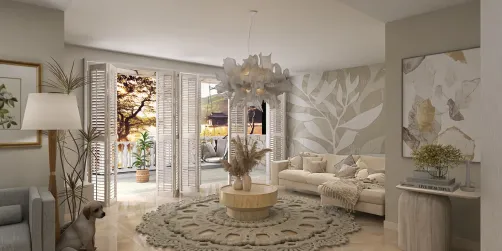
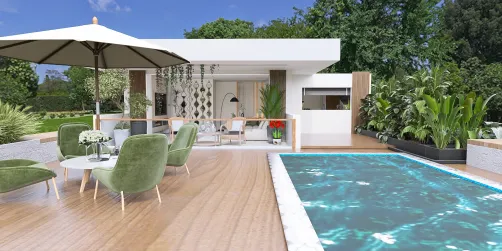
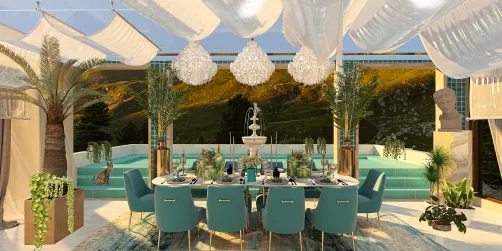
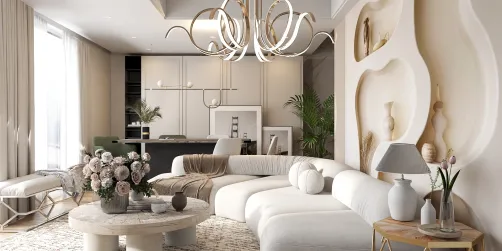
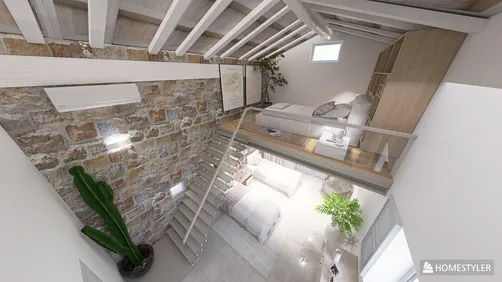
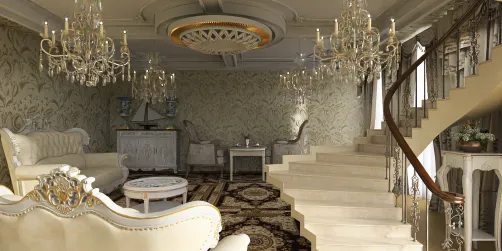
The future is converging within our living spaces, revealing where our living environments may be strapped for efficiency due to current rental trends. According to AIA surveys, multifunctional areas are increasingly preferred over rooms designed for single purposes. Meanwhile, Zillow demonstrates a growing interest in adaptable one-bedroom layouts. In this context, envisioning a one-bedroom apartment floor plan transcends traditional diagrams; it serves as a glimpse into the future lifestyle. My design approach considers factors such as latency, ambient light, and privacy as interrelated components within a cohesive system, illustrated perfectly with tools like Homestyler.
Gallery Spine + Pocket Suite
Design Logic: A central gallery functions like a main artery, connecting the kitchen, living area, and a cozy pocket suite for the bedroom; the demands of hybrid workstyles call for privacy without excessive bulk.
Flow: Entry → drop zone → kitchen perimeter → living space → sliding door → bedroom → bathroom; this layout minimizes backtracking and maximizes efficiency.
Sightlines: A diagonal view from the entry to the window wall enhances connectivity, while the bedroom is subtly separated by pocket panels—active spaces in the foreground and serene areas in the background.
Storage: The extensive gallery millwork spans 16–20" deep, providing ample space for coats, devices, and compact tools; the linen bay near the bathroom offers easy access to essentials.
Furniture Fit: An 84" low-back sofa, a 28–30" round table, and a queen bed with 24" side rails ensure that movements are fluid, akin to APIs that prevent collisions with door hinges.
Verdict: This gallery-centric design anticipates patterns of working from home and occasional hosting; even five years later, it maintains a clean flow of signals.
save pin
Corner Core + Split Day/Night
Design Logic: The kitchen takes the corner position, opening up two adjoining walls to light; this layout effectively separates daytime social interaction from nighttime relaxation, aligning with modern preferences for flexible spaces.
Flow: Entry → kitchen peninsula → dining area → lounge → transition to bedroom corridor → bathroom; this layout unfolds smoothly from left to right, like well-structured code.
Sightlines: The height of the peninsula obscures any preparation clutter, while the main line of sight runs from one window to another, layering activities in the foreground and tranquil views in the background.
Storage: Features like toe-kick drawers, overhead cabinets over the peninsula, and a dedicated corridor tower create organized storage settings based on daily usage.
Furniture Fit: Maintaining a minimum of 30" in pathways and 36" around tables, the design supports a 12" deep modular media wall, ensuring stability and accessibility for guests.
Verdict: The separation of day and night activities adapts to varying schedules; this design evolves like firmware, with minor updates enhancing an inherently stable core.
save pin
Enfilade Light Rail + Flex Den
Design Logic: Rooms are arranged in an enfilade, facilitating the flow of natural light much like a data rail; a flex den provides a living area that doesn’t compromise space, catering to diverse activities such as yoga or study sessions in the future.
Flow: Foyer entry → living corridor → sliding-partition den → dedicated bedroom area → bathroom; optional choices alleviate congestion during peak usage.
Sightlines: Layered glass panes create a visual progression from public to private areas, with translucency efficiently controlling visual clutter.
Storage: The den features a wall bed surrounded by 18" side units, while the 8' wide bedroom includes a reach-in closet and an overhead shelf for long-term storage, ensuring all items are well organized.
Furniture Fit: A 16–18" deep console table, a 9–10' wide sofa, and a 48" den desk interconnect, ensuring that the living space remains clear, much like an unobstructed transit route.
Verdict: This flex den concept prepares for future life changes, accommodating needs from gig work to childcare without requiring significant structural changes.
save pin
## Final Takeaway
A one-bedroom apartment floor plan embodies a protocol rather than merely a structural box: the routing of day and night activities, hierarchical sightlines, and strategic storage dictate living experiences beyond mere square footage. Variations in compact one-bedroom designs and adaptable apartment layouts illustrate that thoughtful precision outweighs size, addressing long-term needs—such as acoustics for working from home—that cannot be overlooked. The most sophisticated one-bedroom units will operate like software, updated through the arrangement of furniture and partitions rather than through invasive renovations. My observations show that minor spatial choices can profoundly influence the way individuals inhabit their environments, especially when utilizing tools like Homestyler to enhance design decisions.


Homestyler is your go-to online platform for home design! Enjoy an intuitive design tool, stunning 3D renderings, and a wealth of design projects and DIY video tutorials. Whether you're a beginner or a seasoned pro, bring your vision to life effortlessly with Homestyler!