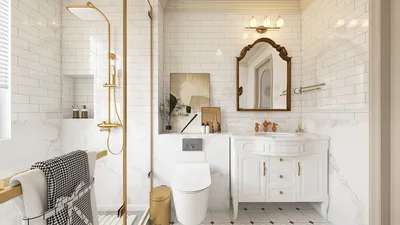


In my experience designing compact salons nestled within bustling urban areas and serene courtyards, the objectives remain consistent: create an expansive feel, ensure a smooth flow, and maintain profitability. A small space shouldn’t restrict the experience. By utilizing appropriate spatial dimensions, lighting, and ergonomic designs, a salon measuring between 300 to 600 square feet can embody a serene, productive, and even luxurious atmosphere. Tools like Homestyler can be invaluable for visualizing these concepts.
Two crucial metrics guide my design process: visual comfort and task efficiency. According to the Illuminating Engineering Society, the ideal illuminance for grooming activities should be around 500 lx at work surfaces to guarantee accuracy while minimizing eye strain. Steelcase's workplace research similarly indicates that clear pathways and reduced visual distractions can enhance client comfort—a vital factor for retaining customers in cramped quarters. I integrate these key performance indicators into my design choices right from the start. For detailed task lighting and glare management guidelines, refer to ies.org/standards.
Establish Flow Before Details
In small salons, circulation plays an essential role. I recommend a minimum of 36 inches for clear paths through stations and to backbar areas, expanding to 42–48 inches at intersections to prevent congestions. Ensure that service zones (cutting, coloring, and blowout) are adjacent, while reception areas are distinctly separate, so client arrivals don’t disturb ongoing services. To test various station configurations within the available space, utilizing a room layout tool can help envision aisle widths and potential bottlenecks before finalizing millwork. Consider employing a layout simulation tool to quickly iterate on traffic flow.
Optimize Stations and Storage Solutions
Compact workstations yield the best results when designed at 30–36 inches wide, incorporating vertical storage options such as closed cabinets positioned above counter height to minimize visual clutter, shallow drawers for tools, and dedicated channels for cord organization. Maintain a counter depth of 16–18 inches to maximize floor space while still fitting essential tools. Backbar shelves should ideally be 10–12 inches deep with adjustable heights; opaque fronts help reduce visual chaos. I apply the 60/40 principle: 60% of visible storage should be enclosed for a clean sightline, while 40% remains open for easy access and display.
Lighting That Creates an Illusion of Space
Effective layering of light is imperative. Aim for brightness levels of 500–750 lx at face height using fixtures with high color accuracy (CRI ≥90) and a neutral to slightly warm color temperature (3500–4000K) to accurately render skin tones without harshness. Ambient light should be set at around 200–300 lx, utilizing indirect sources that draw the eye upward—cove lighting or perimeter washes can effectively create a perception of larger walls. To minimize glare, position downlights away from mirror sightlines and employ diffused vertical lighting to soften shadow effects. Incorporating WELL v2 standards for glare control and balanced luminance not only enhances visual comfort but also aligns with qualities clients look for in a premium salon experience.
Using Color Psychology for Relaxation and Focus
Color influences behavior significantly. Neutral base tones such as soft greige and warm white establish a calming environment. Introducing muted greens or blues as accent colors on smaller surfaces can alleviate stress and evoke cleanliness. Research from Verywell Mind identifies blue hues as calming and green tones as restorative; thus, incorporating these shades in salon settings encourages relaxation during longer treatments. Steering clear of overly bright colors on expansive surfaces is recommended, opting to utilize them as highlights (in tools or artwork) to limit visual distractions.
Enhancing Acoustic Comfort in Functionally Designed Spaces
Small spaces tend to magnify sound. Aim for a Noise Reduction Coefficient (NRC) of 0.7 or higher on at least one significant surface, such as using acoustic ceiling tiles or absorbent materials overhead, along with soft finishes in seating and partitions. With hairdryers producing noise levels of 70–80 dB, it's essential to evenly distribute sound absorption throughout the ceiling and rear walls to avoid creating a single noisy area. A useful guideline is to ensure that at least 25–35% of the salon's surface area comprises sound-absorbing materials.
Prioritizing Ergonomics for Both Stylists and Guests
Creating a comfortable environment boosts performance. Maintain a clearance of 6–8 inches from arm to arm between stations to reduce the likelihood of collision. Set counter heights to 36–38 inches for standing tasks and ensure that tool hangers are placed within a reach of 20–24 inches. When positioning shampoo bowls, align neck rests accordingly to prevent neck strain and establish a clear approach of at least 30 inches. Additionally, investing in footrests and anti-fatigue mats is key, as research from brands like Herman Miller and Steelcase shows that proper posture improvements lead to enhanced service quality and client satisfaction.
Utilizing Mirrors and Visual Techniques to Create an Illusion of Space
Incorporate full-height mirrors with a 2–3 inch reveal to create an illusion of depth without overwhelming the walls. To avoid reflecting disarray, consider breaking up reflections with vertical ribs or framing details. Keep sightlines clear towards the longest diagonal of the room; placing reception areas lower and opting for glass or open shelving near the front ensures an extended view. While glossy floors may be appealing, they can reflect clutter—therefore, selecting satin finishes balances reflectiveness and cleanliness.
Choosing Materials for Durability and Easy Maintenance
Compact salons require materials that are quick to clean and durable over time. Select Luxury Vinyl Tile (LVT) or porcelain that features a 0.5 mm wear layer or PEI IV/V rating suited for high traffic areas, along with microfiber upholstery that resists stains. Countertops should be constructed from solid surfaces or compact laminates with sealed edges, ensuring compact depths are achievable. For aesthetics, introduce one textured plane (either walls or ceilings) to add richness while keeping other surfaces smoother to reflect light and contribute to a serene palette.
Integrating Storage and Back-of-House Functionality
Efficiently manage clutter without sacrificing functionality. Include a vertical closet measuring 24–30 inches deep for bulk supplies positioned near the backbar, along with a narrow pull-out storage (10–12 inches) for daily essentials behind the reception area. Utilize labeled bins for clear organization with a First In First Out (FIFO) method that prevents older products from being neglected. If laundry facilities are on-site, keep them isolated with an acoustic door and gasket, and if they're off-site, design a staging shelf with hidden hampers to maintain hygiene.
Enhancing Client Experience and Brand Interaction
Consider the flow of interactions. A clear arrival indication (such as a soft pendant light or subtle branding) and seating arrangements that provide views along the longest axis make a strong first impression. Maintain a streamlined queue that won’t obstruct services. Retail displays should be at eye level (48–60 inches) and positioned near the exit to drive purchases without intersecting the work area; studies show that clients are more likely to buy when they’re not distracted by cords. Adjustments in lighting should signal transitions—warmer light near reception and neutral task lighting at stations.
Smart Budgeting Choices That Appear Luxurious
Invest in lighting, seating, and acoustic treatments while being cost-effective with decorative elements. Quality fixtures and ergonomic seating can enhance overall experience more than expensive wall coverings. Choose one statement material, such as a distinctive stone-look countertop or unique ribbed paneling, while keeping other materials understated. Incorporating recessed power channels and cable management systems is an economical way to maintain organization, allowing the salon to appear premium.
Example Layout: 450 sq ft for 4 Stations
Proposed layout includes a 10 ft entry area with reception and a two-person lounge, an 18 ft service bay containing four stations along one wall opposite mirrors, an 8 ft backbar with color mixing area, and a 6 ft shampoo nook. Keep aisles at 42 inches near stations and 36 inches elsewhere. To achieve quick visual assessment prior to construction, utilize an interior layout planner to block out designs, rotate elements, and check clearances while assessing sightlines and lighting effects via a room design visualization tool.
Lighting Control and Energy Efficiency
Incorporate dimming solutions and three distinct lighting scenes for arrivals, services, and closing times. Keeping task lights on separate circuits is beneficial; compact salons thrive with two-zone control to prevent overwhelming lit spaces during downtimes. Opt for LED fixtures with a CRI above 90, maintaining a color temperature between 3500–4000K, utilizing UGR-rated optics to minimize glare. Aim for ambient lighting around 200–300 lx to optimize energy consumption while ensuring the environment remains invitingly spacious.
Emerging Micro-Salon Trends for 2024-2025
- Soft neutral backgrounds paired with singular sculptural elements, such as arched niches or fluted panels.
- Slimline workstations featuring integrated power outlets and docking stations for cordless tools.
- Transitioning to perimeter cove lighting from center grids for an uplifted ambience.
- Acoustic felt ceilings or slatted wood with sound-absorptive backings.
- Compact, carefully curated retail areas positioned at exits, avoiding overcrowding.
Pre-Build Checklist
- Confirm clearances: Minimum 36-inch aisles and 42-inch widths at service junctions.
- Establish luminance layers: 500–750 lx at face level, 200–300 lx ambient, with CRI ≥90 and 3500–4000K.
- Conceal 60% of visible storage to minimize clutters, such as cords and bulk supplies.
- Integrate at least one high-NRC surface and ensure the presence of soft seating.
- Validate the plan using a layout simulation tool to confirm traffic flow.
Frequently Asked Questions
Q1: How many stations can I fit into a space of 400–500 sq ft?
A: Generally, 3 to 4 stations can fit alongside a compact reception area and a single shampoo bowl. Aim for station widths of 30 to 36 inches while maintaining aisle widths of 36 to 42 inches for effective circulation.
Q2: What are the optimal lighting specifications near mirrors?
A: Vertical, diffused lighting that provides 500–750 lx at face level, ensuring CRI ≥90 and a color temperature of 3500–4000K. Place fixtures outside direct lines of sight to manage glare according to IES guidelines.
Q3: What measures can I take to reduce hairdryer noise in a small space?
A: Implement absorbent materials for ceilings (with NRC ≥0.7), soft furnishings, and use felt or curtain panels in the rear wall to help distribute sound and lessen reflection.
Q4: Which colors can make a small salon appear more tranquil?
A: Utilizing warm whites and soft greige for the overall design, accented with desaturated blues and greens, has been shown to facilitate calmness and restoration according to color psychology research.
Q5: What are the ideal dimensions for smart storage solutions?
A: Maintain counter depths of 16–18 inches, place upper cabinets above 42 inches, with backbar shelves at 10–12 inches deep. Additionally, ensure that 60% of the visible storage is closed to reduce visual distraction.
Q6: What is the recommended width for main circulation areas?
A: Maintain a minimum of 36 inches, expanding to 42–48 inches at junctions located near stations or shampoo areas to mitigate queuing and collisions.
Q7: Which flooring options are both durable and easy to maintain?
A: High-end commercial LVT with a 0.5 mm wear layer or porcelain tile rated PEI IV/V work best. Satin finishes are suggested to avoid harsh reflections.
Q8: How can I introduce retail space without creating overcrowding?
A: Place well-curated retail displays near the exit at eye level (48–60 inches) rather than in the service area, ensuring to balance low-impact displays with accessible closed storage nearby.
Q9: Is it advisable to implement dimming features?
A: Absolutely. Establish simple lighting scenes for various stages: arrival, service, and closing. Maintain ambient lighting at 200–300 lx balanced with task lighting at 500–750 lx for efficiency.
Q10: What spacing should I maintain to prevent collisions between stations?
A: Provide a clearance of 6–8 inches from arm to arm across chairs and allocate 30–36 inches for station widths so that stylists can operate without hindrance.
Q11: How do mirrors affect the perception of space?
A: Full-height mirrors with modest framing enhance depth perception, while employing vertical detailing can help eliminate clutter reflections.
Q12: Are there recommendations for quick planning tools?
A: Utilize a room layout tool to block out arrangements, validate aisle widths, and visualize sightlines before actual construction begins.


Discover the ease of home design with Homestyler! This user-friendly online platform offers an intuitive design tool, stunning 3D renderings, and a wealth of design projects and DIY video tutorials. Transform your interior ideas into reality effortlessly, whether you're a beginner or a seasoned designer!
Diseño ahora GRATIS
































