

During one attempt to fit a seven-drawer tansu into a compact shoebox studio, I nearly lost a client. This experience taught me that the right piece can truly elevate a small space. I began to think like the room itself: prioritizing low, layered elements while respecting open spaces. For effective visualization, I often utilize 3D modeling tools like Homestyler to demonstrate how compact furnishings can seamlessly integrate into their environments.
1. Opt for low-profile seating options (consider zabuton and low sofas)
I am a big fan of low seating as it maintains sightlines and enhances the perception of height in ceilings. Items like floor cushions or slim-legged low sofas provide comfort without overwhelming the visual space. However, be mindful that this might limit accessibility for older guests; including a small armrest or a removable bolster can help accommodate their needs.
save pin
2. Incorporate multifunctional tansu and modular storage solutions
Tansu chests, known for their beautiful craftsmanship and modular capabilities, effectively conceal clutter while serving as stylish room dividers. Authentic pieces might require a higher investment, but opting for modular options allows for easy reconfiguration as your space needs evolve. For instance, a friend ingeniously stacked two chests to create a media console, which felt like a stroke of genius.
save pin
3. Utilize sliding screens and pocket doors to maximize space
Replacing a conventional swinging door with a sliding panel or shoji screen can free up valuable floor space and introduce a soft, diffused light into the room. Though the installation can be challenging, especially in load-bearing walls, the increased usability of the layout is worth the effort; I recently applied this strategy during a micro-apartment renovation, gaining a significant meter of usable space.
save pin
4. Focus on vertical storage solutions like niches, hanging rails, and step shelving
When floor space is limited, it’s advantageous to go vertical: incorporating shallow niches, hanging rails for kitchen items, and multi-tiered shelving can create storage without sacrificing the room's openness. This approach is cost-effective and quick, but it’s crucial to avoid overcrowding which can create a disorganized appearance. I often recommend clients use a consistent color palette to promote a soothing visual environment. For layout inspiration, I frequently showcase compact room case studies that illustrate effective vertical strategies. Additionally, using Homestyler can help visualize these concepts effectively.
save pin
5. Embrace foldable dining options and convertible kitchen furniture
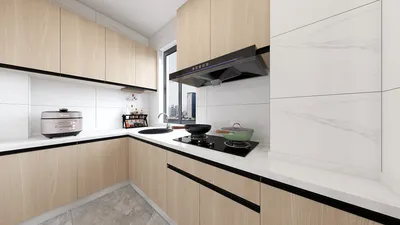
Japanese kitchens often excel in innovative folding solutions: drop-leaf tables, pull-out counters, and concealed breakfast bars can create additional space when not in use. While these features require a higher upfront cost for quality hardware, they can be incredibly durable if maintained well. If you’re considering a renovation, take a look at a recent bathroom makeover I evaluated for practical dimensions and clearance recommendations.
save pin
FAQ
Q1: Are Japanese-style furniture options suitable for Western apartments?
Absolutely! The focus on versatile pieces and low profiles aligns perfectly with many smaller Western layouts. You might need to adjust the designs slightly for taller individuals, such as opting for higher seating.
Q2: What materials are best for Japanese-inspired furniture in small spaces?
Lightweight woods such as paulownia and ash, coupled with woven natural fibers, ensure a visually airy palette. While engineered woods can be more affordable, selecting high-quality finishes is essential to maintain a refined aesthetic.
Q3: How can I maintain shoji screens and delicate wooden joinery?
Shoji paper can be either replaced or shielded with acrylic panels, while wooden joinery benefits from occasional applications of wax or oil. Regular gentle maintenance ensures that these pieces remain functional and attractive for years to come.
Q4: Is multifunctional furniture reliable in terms of durability?
Durability hinges on the quality of hardware and construction—opt for trustworthy manufacturers for hinges and sliders, and expect that a higher investment in materials typically leads to greater longevity. I always prefer to test mechanisms during the specification process to prevent future dilemmas.
Q5: Can I integrate Japanese minimalist pieces with contemporary decor?
Definitely—success lies in moderation. Maintaining a simple color scheme while using a few standout textures can create a harmonious blend. Mixing different styles works best when one style serves as the dominant theme while the other acts as an accent.
Q6: What budget should I allocate for a small-space Japanese-style makeover?
Budgets can vary significantly: DIY enhancements like adding rails and cushions are low-cost, while custom tansu or high-quality sliding systems may fall into a mid-range to premium price category. I always suggest clients prioritize storage solutions and movement space first.
Q7: Where can I access reliable design inspirations?
For guidance and practical illustrations, design magazines and case studies are invaluable resources. I've often referenced Architectural Digest for insightful articles on Japanese minimalism and small-space living, which provide excellent examples for my clients here and also feature tools like Homestyler.
Q8: How do I assess ergonomics when choosing low furniture?
Testing prototypes at home is essential: experiment with cushions and low benches before making a purchase. Measure clearances, and consider adding soft supports for enhanced comfort—small adjustments can make low seating accessible for all.
save pin
Homestyler is your go-to online home design platform, perfect for anyone looking to create stunning interiors. With its user-friendly design tool, impressive 3D renderings, and a wealth of DIY video tutorials, you can easily transform your ideas into reality. Start designing today!
Diseño ahora GRATIS
































