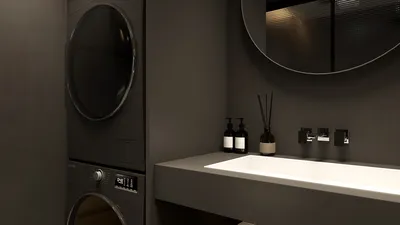


Creating small spaces in India requires a careful balance of storage opportunities, natural light, and ease of movement, all while maintaining a sense of character. I focus on proportions, multifunctionality, and unobstructed lines of sight, ensuring that a bedroom sized between 90 and 150 square feet or a 10x12 living room appears spacious rather than confined. Studies repeatedly indicate that clear spatial layout and abundant daylight contribute significantly to well-being: resources like WELL v2 underscore the necessity for visual comfort, access to daylight, and glare mitigation in indoor settings. Furthermore, workplace research by Gensler highlights that natural light availability is one of the most appreciated design features among users, greatly affecting their perceived productivity and enjoyment.
In restricted spaces, measuring your options is crucial. The Illuminating Engineering Society recommends aiming for a task illuminance level of approximately 300–500 lux in living areas, increasing for specific tasks such as reading. Research from Steelcase links environmental elements like lighting, posture, and distractions with cognitive effectiveness, reinforcing my strategy of blending layered lighting with ergonomic seating and well-defined pathways to minimize cognitive stress and visual clutter. These fundamental principles allow me to customize compact spaces that facilitate both work and relaxation.
Colors can have a significant psychological effect. According to insights from Verywell Mind, lighter neutrals and cool tones can create an illusion of spaciousness, while vibrant warm hues can inject energy into a room. In small Indian residences, I typically paint walls in warm whites (2700–3000 K light) to create a cozy atmosphere, followed by layering in cooler accents for added depth. To optimize furniture arrangements, utilizing a room layout tool like Homestyler allows me to experiment with furniture dimensions, circulation paths, and storage levels before making final decisions.
Understanding Space Planning for Compact Indian Rooms
My approach begins with a specific spatial distribution: allocating 60-65% for essential furnishings, 25-30% for movement areas, and 5-10% for adaptable or seasonal items. For a 10x12 ft living room, this means incorporating a compact two-seater or loveseat (preferably not more than 70-75 inches), a nesting or flip-top coffee table, and a standalone accent chair on a swivel to foster open views. I steer clear of bulky furniture that takes away leg space; instead, I opt for streamlined designs, elevated legs, and wall-mounted fixtures to reveal more flooring, instantly enhancing the perception of width.
Lighting Design: A Multi-Layered, Low-Glare Approach with the Right Color Temperature
Small spaces thrive with a strategy of three-layered lighting: ambient for uniform illumination, task-oriented for specific activities, and accent lighting for texture and atmosphere. I ensure ambient lighting hovers around 300-400 lux with soft fixtures, reflecting light off ceilings to eliminate glare and harsh shadows. Task lights in reading areas should aim for 500-700 lux, equipped with screens to prevent eye fatigue. In Indian settings, warm-to-neutral lighting temperatures (2700-3500 K) align perfectly with evening routines, while high-CRI LEDs maintain color fidelity for artworks, textiles, and wood finishes. Following WELL v2 recommendations, attention to glare control (considering UGR) and flicker-free technology supports visual comfort.
Color and Material Techniques
Choosing lighter wall colors combined with mid-tone flooring establishes a soothing backdrop; contrasting elements come from textiles and art rather than cumbersome furniture. Glossy finishes are used minimally to prevent reflective glare, opting instead for satin paints, matte laminates, and low-sheen tiles for a smooth light quality. In humid coastal areas, I prefer durable materials like anti-warp plywood and powder-coated metal frames; conversely, solid wood may be employed in drier climates to add warmth without excessive weight when using leggy designs. Sustainable options, which include low-VOC finishes and responsibly sourced veneers, contribute to improved indoor air quality.
Innovative Storage Solutions That Maintain Visual Lightness
Maximizing vertical storage is essential in compact spaces. I consider placing closed cabinets above eye level and positioning open shelves at or beneath 48 inches to prevent clutter in primary sightlines. Implementing bed platforms with drawers, hydraulic lift storage solutions, and benches with concealed storage substantially clears floor space. For kitchens, I recommend using slimmer cabinetry along one wall with full-height pantry solutions wherever feasible, ensuring a clear pathway of at least 36 inches. During planning, a quick run through an interior layout planner, such as Homestyler, assists in rationalizing storage volume and door swing issues.
Selecting Furniture: Functional and Proportionate
I advocate for modular sofas, wall beds, or daybeds featuring integrated storage, and nesting tables for efficient usage of space. Dining setups in smaller homes are often best served with a drop-leaf or wall-mounted foldable table, complemented by stackable chairs. For home office configurations, a small desk (30-36 inches wide) with a shallow drawer and a task chair that meets ergonomic standards (height and lumbar support) ensures comfort while occupying minimal space.
Considerations for Ergonomics and Human Interaction
Clearances are pivotal in optimizing smaller rooms. I maintain a space of 30-36 inches for main flow areas, 18 inches for secondary paths, and a minimum of 12 inches beside beds in particularly tight arrangements. For television viewing, a practical distance ranges from 1.5 to 2.5 times the screen diagonal. Additionally, I am mindful of sight lines: keeping lower furniture near windows and taller pieces against solid walls minimizes visual disturbance. Research from Steelcase connects these adjustments to reduction in distractions, thereby enhancing focus in smaller work environments.
Enhancing Acoustic Comfort
In urban Indian apartments, external noise and reflective hard surfaces present challenges. I utilize acoustic rugs, padded panels, and heavy curtains using a dual-track strategy—sheers for natural light and blackout drapes for sleep. Bookshelves placed against common walls, filled and arranged strategically, act as sound diffusers. In small living areas, it’s best to avoid expansive, bare walls; instead, opt for slatted wood or fabric-wrapped elements in corners to mitigate echo disturbances.
Managing Light and Temperature in Indian Environments
Rooms oriented south and west can become excessively warm. I recommend the installation of solar control films or dual-layer curtains with thermal interlining, paired with ceiling fans to maintain a cooler perception of temperature. Light shelves or simple white pelmets can reflect daylight deeper into spaces, enhancing uniformity without contributing to glare. Utilizing 3000-3500 K lighting in the evenings can help counteract the bluish tint from devices, aiding in wind-down routines.
Embracing Regional Aesthetics in Small Spaces
Even compact rooms can showcase craftsmanship through carefully selected pieces—like block-printed textiles, cane details, and brass hardware—but with restraint. I select one or two heritage items and pair them with neutral surfaces. The scale of patterns is crucial: larger, low-contrast designs promote tranquility compared to intricate, busy patterns. In puja spaces, wall-mounted strips with gentle, indirect pathways and concealed storage for incense and religious texts preserve a sense of peace.
Strategic Layout Techniques: Quick Improvement Tips
- Arrange seating away from walls wherever possible to keep pathways unobstructed.
- Align major furniture pieces along a single axis to minimize visual clutter.
- Utilize sliding doors for wardrobes in narrower bedrooms.
- Opt for wall-mounted TV units and keep storage vertical.
- Select furniture with legs to showcase more flooring area.
- Position mirrors to harness natural light from windows or opposite sources, steering clear of reflecting busy areas.
Cost-Effective Enhancements
Focus on the three elements with the most significant influence: painting, lighting, and storage solutions. Refresh walls with low-VOC paint, add a dimmable layered lighting setup, and integrate storage under beds or furnishings. Emphasize one custom carpentry piece—such as a media wall with an integrated workspace—to streamline functions and minimize clutter.
Frequently Asked Questions
Q1: Which color temperatures are suitable for small Indian rooms?
A: Warm-neutral LEDs at 2700–3500 K provide a comfortable atmosphere in the evening while ensuring task visibility. Pair them with high CRI (90+) bulbs to maintain the accurate appearance of textiles and wood finishes.
Q2: How bright should lighting be for reading or studying?
A: Target around 500–700 lux at the workspace using shielded fixtures to reduce glare, consistent with IES recommendations for focused tasks.
Q3: What is the ideal width for pathways in compact living areas?
A: Maintain a clear distance of 30-36 inches for main pathways and 18 inches for secondary movement routes, as these dimensions help avoid congested movement and visual clutter.
Q4: Are mirrors effective in small areas?
A: Certainly, if placed strategically to reflect daylight and extend sightlines. Avoid directing mirrors towards clutter; instead, position them near windows or in front of calm, light-colored surfaces.
Q5: How can I incorporate storage without overcrowding the room?
A: Implement vertical cabinets above eye level, under-bed storage solutions, and wall-mounted shelving. Keep open shelves at lower heights and styled minimally to reduce visual mass.
Q6: What types of furniture are most effective in saving space?
A: Look for versatile items like nesting tables, drop-leaf dining tables, wall beds or daybeds with storage, and modular seating with slim arms and elevated bases.
Q7: How can I manage noise in apartments located in busy areas?
A: Layer soft finishes like rugs, padded wall panels, and heavy curtains and fill bookshelves to act as sound diffusers. Treat corner areas to diminish echo effects.
Q8: What layout errors should be avoided?
A: Avoid oversized couches, deep entertainment units, hinged wardrobe doors in small areas, excessive open shelving, and obstructing windows with tall furniture.
Q9: Is it possible to create an effective workspace within a bedroom?
A: Absolutely—utilize a compact desk (30-36 inches), an ergonomic task chair, and layered lighting. Ensure the work area remains visually tidy and separate it with a divider or curtain if necessary.
Q10: How can I seamlessly incorporate Indian craft elements without overwhelming the space?
A: Opt for one or two standout pieces—such as cane, brass, or block prints—and pair them with neutral surfaces. Emphasize restrained pattern scales and consistent metallic finishes to maintain harmony.



Discover the easy and inspiring way to transform your home with Homestyler! This user-friendly online design tool lets you explore stunning 3D renderings, browse design projects, and access helpful DIY video tutorials. Bring your creative vision to life effortlessly and make your dream space a reality!
Diseño ahora GRATIS
































