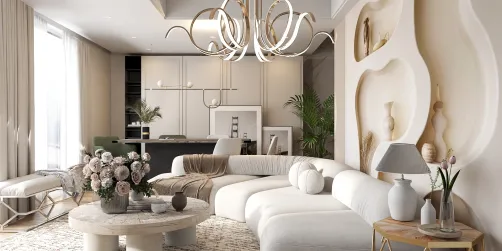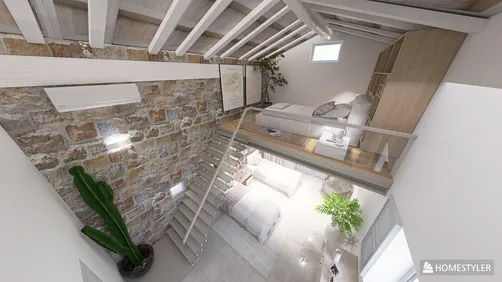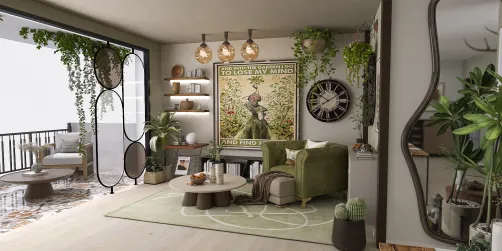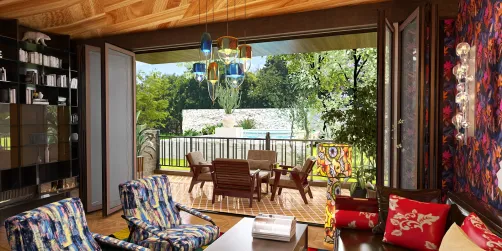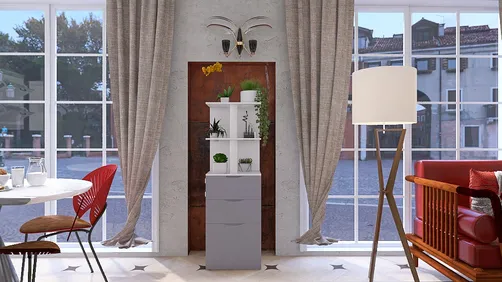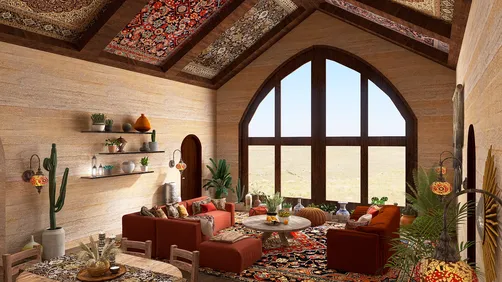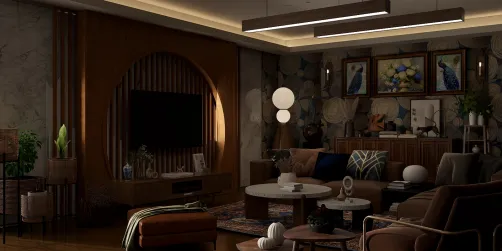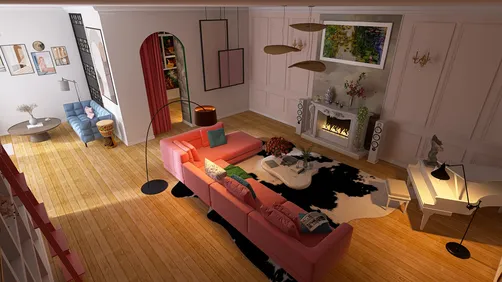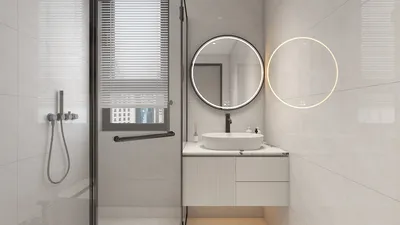
Adopting a smart approach to hostel living means maximizing every inch of your space. In smaller rooms, choices—such as seating arrangements, storage solutions, and lighting—play a crucial role in enhancing comfort, concentration, and overall well-being. Having designed numerous student accommodations and micro-living environments, I can attest to the enduring effectiveness of key principles: define spaces distinctly, prioritize ergonomic designs that you interact with daily, and focus on intentional lighting rather than mere aesthetics. Utilizing tools like Homestyler can greatly aid in visualizing these elements in your living space.
Effective design yields tangible benefits. Research by Gensler indicates that well-structured environments can enhance individual focus and productivity significantly when acoustic quality, posture, and lighting are harmonized (gensler.com/research). The WELL v2 framework sets measurable goals for indoor quality, including glare management, circadian lighting, and acoustic standards to lessen cognitive strain (v2.wellcertified.com). By applying these standards to smaller spaces, you'll experience improved study sessions, deeper sleep, and enhanced social interactions.
Lighting and posture are the essential adjustments to make first. The Illuminating Engineering Society suggests achieving around 300–500 lux on desks for reading and computer tasks (ies.org/standards). It's beneficial to pair this with a task lamp set at 4000–5000K for increased focus, while a warmer 2700–3000K light is ideal for winding down. Regarding seating, Herman Miller’s studies show that adjustable lumbar support and dynamic reclining features can significantly alleviate fatigue during prolonged use (hermanmiller.com/research). Even a budget-friendly chair that offers height, lumbar, and tilt adjustments outperforms a stylish fixed chair.
Design Your Space Like a Compact Studio
Organize the space into distinct areas: Sleep, Study, Store, and Social. Position the bed to one side for a clearer line of sight from the entrance to the desk, reducing visual distractions and helping your mind associate each area with a specific function. Before rearranging furniture or adjusting layouts, use a digital room planning tool like Homestyler to experiment with bed/desk arrangements and to evaluate traffic flow without the hassle of moving heavy items.
Study Zone: Prioritize Performance
Create a layered lighting system—incorporate ambient ceiling lighting for overall brightness, a focused task lamp that achieves 300–500 lux on the work surface, and a low-glare backlight positioned behind your monitor to ease eye strain. Ensure your monitor is at or slightly below eye level, with your elbows bent at close to 90 degrees, feet flat on the ground, and the screen positioned 50–70 cm away. If your desk is shallow, consider mounting the monitor on an arm to regain valuable depth. Good cable management—using Velcro ties and an adhesive raceway—can enhance your focus more than an additional pen holder.
Sleep Zone: Ensure Restfulness
Ideally, position the head of the bed against a solid wall. Utilize blackout curtains or a sleep mask; even low-level light at night can interfere with your circadian rhythms. Select a bedside lamp with a warm color temperature (2700–3000K) and ensure the switch is easy to find when you're groggy. Incorporate a small tray or pocket shelf beside the bed for essentials like your phone and keys to prevent clutter from accumulating.
Storage: Emphasize Vertical Solutions
Leverage vertical space by utilizing stackable bins above your wardrobe and rolling drawers underneath the bed. Opt for clear or properly labeled containers for quick access to items. A single over-door hook rail can replace multiple hooks and organize space efficiently. Periodically rotate seasonal items, boxing up those you won’t need for the next two months; this strategy keeps frequently used items within easy reach while minimizing decision fatigue.
Social and Shared Spaces: Etiquette Matters
Establish a defined social area—often the side with two seats and a shared surface. A compact folding stool can serve as a side table during study periods. If you're living with others, agree on quiet hours and establish signals for focus time (such as wearing headphones). Stick to a basic cleaning routine: wipe down your desk nightly, sweep weekly, and perform a thorough tidy-up mid-month. Creating habits is more beneficial than relying on specific products.
Acoustic Comfort Without Major Changes
Incorporate soft furnishings to enhance acoustics. Adding a rug, upholstered cushions, and a fabric bulletin board can dampen sound reflections. When you need to talk on the phone, direct your voice towards soft surfaces. Installing door sweeps and weatherstripping can help reduce hallway noise affordably. For late-night study sessions, consider using a white noise application at a low volume to mask interruptions without overwhelming the space.
Understanding Color Psychology
Opt for low-saturation colors for your walls or bedding—muted greens and cool neutrals create a calming atmosphere and enhance the impression of space. Add vibrant accents selectively, such as a bright desk accessory or artwork near your study area. Maintain a visually quieter atmosphere in your sleep zone compared to your study area to strengthen your behavioral responses.
Selecting Materials and Maintenance
Choose finishes that are easy to maintain: matte laminates can conceal fingerprints; removable fabric covers can endure washing; and woven baskets are preferable to cardboard in damp environments. Keep a three-item cleaning kit easily accessible—microfiber cloth, gentle cleaner, and a small broom—to encourage regular upkeep. Sustainability begins with durability: invest in a quality task lamp instead of multiple disposable desk gadgets.
Daily Micro-Habits that Enhance Life Quality
- Take a ten-minute reset before bed by decluttering your desk and preparing the essentials for the next day.
- Follow a two-light rule post-sunset: maintain one task light and one ambient light, both on dim settings.
- Use a single tray as an inbox for organizing papers, keys, and chargers.
- Conduct a weekly layout review: if your space feels off, try swapping one element and test it for a week. Utilize an interior layout planner to visualize different arrangements before committing to changes.
Key Financial Considerations
Invest in essentials: a comfortable task chair, effective task lighting, a blackout solution, and a reliable surge protector. Cut costs on decorative storage, throw pillows, and unnecessary gadgets. If you share expenses with a roommate, consider items that don't require duplication, like a vacuum cleaner, air purifier, or tool kit.
Streamlined Roommate Coordination
Aligning expectations from day one can help avoid conflicts later. Reach agreements on guest policies, cleaning schedules, items to share, and noise regulations. Document these agreements on the inside of your wardrobe door. Schedule monthly check-ins for about five minutes to prevent any issues from escalating.
Concise Checklist
- Ensure desk task lighting achieves 300–500 lux, with a color temperature of 4000–5000K for focused activities.
- Keep a warm bedside lamp at 2700–3000K for easing into sleep.
- Select an adjustable chair that includes lumbar support and tilt features.
- Incorporate a rug and fabric pinboard to soften acoustics.
- Utilize under-bed storage with clear labeling for easy organization.
- Whenever possible, position your bed against a solid wall.
- Implement effective cable organization and a single inbox for mail and small items.
- Commit to a brief 15-minute tidying session each week, along with a comprehensive deep clean monthly.
Common Inquiries
Aim for 300–500 lux on your workspace, complemented by a 4000–5000K task lamp. Keep ambient lighting low to reduce eye strain from contrasting light levels.
An adjustable task chair is essential. Lumbar support and tilt functions greatly diminish fatigue during extended periods of use compared to mere decorative enhancements.
Incorporate soft materials: rugs, curtains, and fabric boards. Close gaps with a door sweep and adhesive weatherstripping, and use low-volume white noise to help mask sounds.
To design effectively, create mirrored study zones on opposite walls, ensuring beds are not positioned face-to-face. Maintain a clear path from one area to another and consider a small shared surface at one end.
Indeed. Cool and bright lighting enhances alertness during study sessions, while warmer and dimmer lighting helps trigger melatonin production for sleep. Matching color temperature and light intensity with activities can improve both experiences.
Set up an inbox tray and establish a nightly ten-minute reset routine. Clearly label storage areas and rotate out-of-season items to minimize clutter and daily decision-making.
Opt for muted neutrals with cool undertones to enhance spatial perception, layered with small, vibrant accents at the desk for energy. Ensure the sleep zone remains visually serene.
Differentiate shared infrastructure (vacuum, purifier, toolkit) and track responsibilities in a communal document. Personal comfort items (such as bedding and a task chair) should remain individual.
Take precise measurements and simulate layouts in a planner tool to visualize circulation paths, storage accessibility, and the effect of light before rearranging furniture.
Direct your attention toward a soft background—like curtains or a fabric panel—behind the camera, and place a rug under your chair to minimize reflective sound.

Homestyler is your go-to platform for home design. With a user-friendly online design tool, stunning 3D renderings, and a wealth of DIY video tutorials, you can effortlessly create the space of your dreams. Transform your vision into reality today!