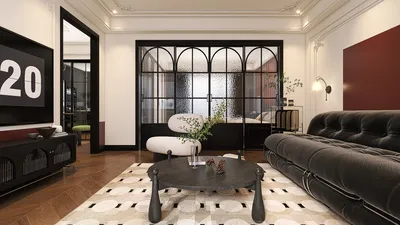


When it comes to AC room curtains, I prioritize their role as a performance feature before considering them as a design element. The right selection of fabric, linings, and stacking techniques can effectively minimize heat gain, lessen glare, and stabilize indoor temperatures while maintaining aesthetic appeal. In scenarios where air conditioning loads are significant, curtains serve as a passive ally for HVAC systems: they protect against solar heat, mitigate drafts, and control light throughout the day. According to research from Steelcase, there is a direct correlation between visual comfort, thermal regulation, and increased productivity, as highlighted in their 2020 Global Report, which emphasizes that thermal comfort greatly influences how individuals perceive their work environment. WELL v2 guidelines also underline glare control and thermal variation as essential components of occupant comfort, demonstrating that the choice of curtains is closely linked to creating healthier indoor spaces.
The selection of fabrics should be informed by data. The WELL v2 Light concept promotes reducing glare and managing luminance ratios to alleviate eye strain, objectives that can be achieved through appropriately lined curtains and layered shading strategies. Gensler’s findings consistently demonstrate that occupants prefer a balance of daylight with controlled glare; finding the optimal balance involves adjustable opacity that prevents excessive cooling or darkening of the space. In my projects, I have found that combining medium-opacity drapes with sheer layers allows for the maintenance of natural light while simultaneously lowering cooling needs during peak sunlight hours by keeping radiant heat away from the glass surfaces—these small modifications can lead to substantial benefits.
The Impact of Curtains on Air Conditioning Efficiency
Curtains influence cooling effectiveness in three primary ways: by managing solar gain, regulating air movement, and enhancing radiant comfort. Utilizing a tight-weave, light-colored fabric with thermal lining significantly reduces solar heat intake, thereby lessening the workload on the air conditioning unit. A floor-to-ceiling drop effectively contains convection currents near the glass, creating a more stable temperature in the occupied zone. Additionally, while darker rooms can seem cooler due to reduced brightness, achieving balance is crucial—overly dark environments can adversely affect mood and visibility.
Choosing the Right Fabric: Achieving Insulation, Light Management, and Style
Opt for fabrics that have a dense weave, such as linen blends, tightly woven cottons, or performance polyesters, to limit heat transfer. For walls exposed to sunlight, adding thermal or blackout linings can considerably enhance insulation and protect interiors from UV damage. To retain natural light in spaces that require it, consider layering a sheer (with 3–8% openness) behind a lined drape to soften daylight glare while still maintaining cooling efficiency. Color psychology is also important—according to Verywell Mind, hues like blues and greens foster a calming environment, while off-whites and warm neutrals evoke an inviting atmosphere; these should be featured on the curtain faces, keeping the lining white to reflect solar heat back outside.
The Best Curtain Styles for Air Conditioning Compatibility
- Ripplefold or pinch pleat styles ensure clean stacking, uniform fullness, and tight coverage, effectively minimizing light gaps.
- Ceiling-mounted tracks eliminate air gaps at the header, boost coverage across windows, and visually elevate the room.
- Return and overlap hems help block light leaks that can increase radiant heat and glare.
- Utilize layered systems: pairing sheer panels with lined drapes or sheer with roller shades provides precise control from morning to afternoon.
Curtain Placement and Coverage: Optimizing Start and End Points
For rooms equipped with air conditioning, it’s beneficial to extend the curtain coverage beyond the window frame. Whenever possible, install wall-to-wall tracks and ensure that the curtain stack does not obstruct natural light and doesn’t depend overly on AC. Using a room layout tool can assist in visualizing curtain coverage and stack zones, as well as accommodating furniture and ventilation needs: room layout tool.
Managing Glare, Light Temperature, and Visual Comfort
Glare during peak sunlight hours can elevate the perceived temperature and fatigue levels within a space. According to WELL v2, effectively controlling brightness contrasts can reduce eye strain and enhance overall comfort. When selecting curtain opacity, it’s important to align it with the temperature of your lighting: cooler LEDs (4000–5000K) may provide a brisk feel, whereas warmer tones (2700–3000K) lend a softer atmosphere for evenings. In rooms equipped with AC, I tend to avoid glossy fabrics that reflect excessive highlights; instead, matte finishes reduce perceived brightness and heat.
Hardware and Installation: Sealing the Envelope for Efficiency
- Using ceiling tracks with returns helps reduce hot air leaks and aligns with contemporary architectural designs.
- Implement double tracks or a combination of shades and drapes that adapt to seasonal needs—sheers for winter light and lined options for summer cooling.
- Install floor-to-ceiling drops to minimize the chimney effect at the sill, ensuring a steady flow of cooled air in the occupied space.
- Utilize weighted hems to prevent panels from billowing in front of vents or windows, maintaining proper coverage.
Sustainability and Maintenance of Materials
Select Greenguard-certified or low-VOC fabrics when possible, and choose solution-dyed performance textiles known for their fade resistance, particularly in areas exposed to high solar radiation. Thermal linings should also be breathable to prevent condensation near windows. Regular upkeep is crucial: wash or vacuum panels every quarter, as accumulated dust can diminish both fabric reflectance and thermal efficiency. Poly-linen blends provide an excellent balance of drape and durability, helping avoid the stiffness often found in some blackout materials while still controlling heat gain.
Color Choices for Cooler Perception
Light, fresh colors (such as soft greys, chalk whites, or seafoam greens) reflect more light and pair well with air conditioning. Adding accents in deeper tones—such as ink blue, sage, or terracotta—can enhance the visual appeal on binding or leading edges, helping to define proportions. Insights from Verywell Mind suggest that blues and greens promote tranquility and focus, tying seamlessly with a white lining that helps reflect solar radiation.
Addressing Noise, Privacy, and AC Sounds
Heavily lined curtains can absorb ambient noise, reducing the sounds of the air conditioning unit and external disturbances. For improved acoustics, consider specifying curtains made from 10–14 oz face fabric with a thick lining, and complement these with plush furnishings to enhance the noise reduction coefficient (NRC) across the space, resulting in a cooler and more tranquil atmosphere.
Style Forecast for 2024–2025 that Supports AC Functionality
- Minimal ripplefold designs in textured neutrals offer a modern aesthetic that is easy to maintain.
- Subtle patterned weaves, such as jacquards or slubbed yarns, add visual depth without retaining excess heat.
- Layered translucency with sheers featuring slight striations to enhance daylight, accompanied by a lined drape for heat management.
- Opt for warm-toned metal hardware, like brushed brass or blackened steel, to complement contemporary interior styles.
Room-Specific Curtain Recommendations
- Living areas: Implement a double track system, combining 5% open sheer fabric with lined drapes for glare management during entertainment.
- Bedrooms: Utilize blackout or dim-out linings for soft pleat drapes and consider adding side channels for enhanced darkness.
- Home offices: Install medium-opacity drapes to mitigate midday glare, supporting a lighting strategy of 3000–4000K to minimize eye strain and perceived temperature.
- South and west-facing spaces: Focus on thermal linings with white backings and complete returns; think about incorporating a solar shade for midday utilization.
Common Pitfalls to Avoid
- Avoid using short panels that end at the sill, as they permit the chimney effect and allow loss of cooling.
- Refrain from using dark linings facing the glass, as they absorb heat and elevate system demands.
- Narrow rods can lead to insufficient stack clearance, limiting daylight and increasing air conditioning reliance.
- Steer clear of shiny fabrics, as they can amplify glare and perceived heat levels.
Frequently Asked Questions
The best options include tightly woven linen blends, cottons, or performance polyester with a breathable thermal lining. The tight weave minimizes solar gain, while the lining enhances insulation without trapping humidity.
While blackout curtains effectively reduce heat gain, they can lead to excessive darkness. It’s advisable to use blackout or dim-out linings paired with sheers for adaptable daylight management without compromising cooling needs.
Ceiling-mounted tracks featuring side returns and center overlaps significantly lower light gaps and air leakage, helping maintain stable temperatures near windows.
White or light-colored linings reflect solar heat better than darker counterparts, contributing to a cooler glazing area.
Absolutely. Combining a sheer for daytime glare management with a lined drape for peak sunlight delivers enhanced functionality along with better daylight distribution compared to using a single heavy curtain.
The right combination of opacity and matte finishes can minimize luminance contrasts. Emphasizing glare control is important for comfort, which can be achieved using properly sized and layered curtains and sheers.
Opt for a floor-to-ceiling curtain arrangement with minimal gaps at the header. This setup curtails convection issues at the sill and maintains stable cooled air in the inhabited zones.
Heavier, lined curtains effectively absorb background noise and dampen the sound of air conditioning, thus enhancing both thermal and acoustic comfort.
High-quality thermal linings utilize breathable materials that help to mitigate condensation risks. It’s wise to avoid plasticky blackout options that lack venting or fabric-backed structures.
The optimal layering system includes a solar shade or sheer (with 3–5% openness) combined with a thermally lined drape that has a white backing and full returns with overlapping hems.
Cooler, lighter shades feel fresher and enhance light reflection. Utilizing blues and greens contributes to a calming atmosphere, while neutrals help maintain brightness control without adding visual heat.
Certainly—employ an interior layout planner to visualize curtain stacks, returns, and clearance from vents: room layout tool.



Homestyler is your go-to online home design platform, perfect for anyone looking to revamp their space! With its intuitive design tool, stunning 3D renderings, inspiring design projects, and helpful video tutorials, you can easily create and visualize your dream home, all from the comfort of your own device.
Diseño ahora GRATIS
































