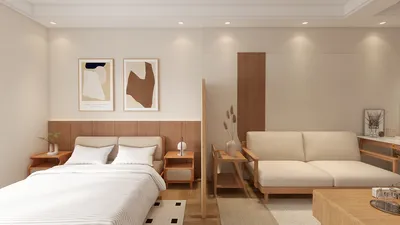


I view corners as unique opportunities—small zones that can enhance atmosphere, improve flow, and provide additional storage without overwhelming the central seating area. A well-designed corner can create a sense of spaciousness: Research by Steelcase indicates that spatial clarity and purposeful environments lead to increased engagement, while WELL v2 emphasizes that layered lighting and visual comfort significantly contribute to occupants' well-being. According to the Institute of Electrical and Electronics Engineers’ Illumination Engineering Society (IES), targeted accent lighting is vital in corners, where shadows can accumulate, to minimize glare and contrast.
People naturally gravitate towards edges for quiet moments and enhanced focus, so dedicating even 24–30 inches to a multifunctional space is worthwhile. Findings by Herman Miller suggest that varied seating options and micro-settings enhance attentiveness and rejuvenation. Additionally, research from Gensler highlights that spaces providing choices boost perceived effectiveness—corners offer a flexible method to introduce this choice without necessitating a complete rearrangement of the area.
Transform a Dim Corner into a Layered Light Niche
Begin with lighting: incorporate a diffuse fixture (such as a wall washer or a shaded floor lamp), a targeted accent (like an art light or picture lamp), and a low-glare task light if the corner is intended for reading. I prefer a color temperature of 2700–3000K in living areas to create warmth while ensuring high color rendering. To prevent bright spots, opt for a matte shade and indirect light aiming; following IES guidelines on luminance ratios helps to minimize eye strain, particularly near TV walls. Adding a slim uplight can visually elevate the ceiling line and enlarge the perceived dimensions of the room.
Design a Functional Reading Corner
Select a compact lounge chair (28–32 inches wide) with a small-radius swivel that allows for easy access without damaging walls. Pair it with a side table and a footrest that can be tucked away. Position the chair’s back 6–8 inches away from the corner to ensure airflow and reduce noise accumulation. It's ideal to place the lamp slightly behind and to the side to lessen direct glare on reading materials. If the main traffic route passes close by, consider a low-profile rug (5'x7') to delineate the area without creating a tripping hazard.
Space-Saving Corner Storage Solutions
Staggered floating shelves (18, 30, 42 inches) introduce visual rhythm and prevent the corner from appearing top-heavy. Adhere to a shelf depth of 10–12 inches for books and decorations to avoid protruding edges. In smaller spaces, I lean towards a triangular cabinet with a chamfered face design; this shape significantly reduces visual bulk. Position the bottom shelf at a height of 22–26 inches so children can reach games or art supplies, while upper shelves can showcase decorative objects. Hide clutter with closed storage at eye level if necessary.
Create Plant Vignettes to Enhance Acoustics and Atmosphere
Tall, soft-leaf plants help to diffuse sound and soften harsh lines. Consider clustering plants of varying heights—one tall (5–6 feet), one medium (3–4 feet), and a trailing plant—elevating them with plant stands for added vertical interest. According to Verywell Mind, the calming properties of greenery align well with color psychology; pairing lush green plants with warm wooden pots harmonizes cooler wall tones. Ensure trays are used for drainage and keep plant heights clear of curtains.
Establish a Micro-Bar or Tea Corner
In social areas, a sleek console (12–14 inches deep) outfitted with a tray, carafe, and two stools fosters a casual hospitality setting. Opt for mirrored or satin metal finishes to reflect light, but steer clear of high-gloss surfaces if the corner receives direct sunlight to keep glare minimal. Incorporate a narrow under-cabinet light strip with dimming capability for better visual comfort. When validating layouts or experimenting quickly, consider using a room layout tool like Homestyler to simulate stool clearance and traffic patterns.
Corner Gallery Wall with Harmonized Sightlines
Wrap artwork around the corner to transform a sharp angle into a visual pivot. Keep frames uniform in two finishes and align centerlines at 57–60 inches. A single sculptural piece at the corner can break the regularity of the arrangement. If the opposite wall has a TV, avoid high-luminance art lighting that competes with the screen; aim for a 5:1 ratio of accent to ambient light as recommended by IES to prevent eye fatigue.
Compact Media or Vinyl Listening Area
A streamlined console along with angled speakers can benefit from corner placement, yet decoupling them with rubber feet is essential to avoid bass buildup. Introduce an acoustic panel or wool tapestry on one side to mitigate echo. Keep wire management tidy with a cable track running along the baseboard, and a small pouf or ottoman can serve as additional seating during gatherings.
Utilize Curved Furniture to Soften the Corner
Incorporate rounded sideboards, half-moon consoles, or curved bookcases to soften sharp angles and enhance flow. I often complement the curve with a round rug to blur the space’s boundaries, anchoring it with a cylindrical lamp or vase to reinforce the curve theme. Curved pieces also facilitate movement, reducing the risk of bumps in tight quarters.
Opt for a Daybed or Bench for a Cozy Retreat
Placing a slender bench beneath a corner window provides relaxed seating without the need for an extra armchair. Target a seat height of 17–18 inches and a depth of 14–16 inches for compactness. Adding a bolster pillow can help define the back edge. This solution is perfect for homes that occasionally entertain yet require flexible seating options.
Set Up a Corner Desk or Craft Station
For multi-functional drawing rooms, a compact desk can be tucked into a corner without looking overly office-like. Ergonomics are crucial here: provide 25–27 inches of knee clearance, position the monitor at eye level, and select a task chair that offers lumbar support. Use a plug strip and a fabric cord cover beneath the desk to maintain a sleek aesthetic. If shared by two, consider a V-shaped worktop to ensure both individuals have an unobstructed view of the room.
Choose Color and Material Strategies That Create an Expansive Feel
Applying a lighter hue on corner walls can reduce visual weight, with slightly deeper accents on adjacent surfaces to add depth. Matte finishes control reflections, while textured wall coverings or lime wash adds a gentle gradient. Align materials with their purpose: more resilient surfaces near playful areas, lavish finishes near social spaces. Opt for sustainably sourced woods and low-VOC finishes to conform with WELL v2’s focus on material health.
Implement Lighting Controls and Glare Management
Introduce dimmers for corner lighting, complete with scene presets (for reading, socializing, or watching films). Maintain wide beam spreads for ambient light and tightly focused beams for spotlights. Conduct a simple glare test: sit in primary seating and assess reflections on art glass and metal. If necessary, adjust lamp angles or replace with anti-glare lenses to ensure comfort.
Maintain Spatial Ratios to Avoid Overcrowding Corners
I aim for a minimum of 36 inches clear for primary pathways and at least 24–30 inches for secondary paths around corners. Make sure furniture does not overhang walkways by more than 2 inches. When introducing a plant or lamp, check door swing arcs and curtain stack depths. Visual harmony is crucial: if one corner features a tall item, balance it elsewhere with a horizontal piece to ensure a pleasing visual flow.
Achieve Acoustic Comfort in Lively Households
Corners can amplify sound; adding soft elements (like rugs, drapes, and upholstered furniture) helps to mitigate echoes. For spaces where children play, opt for a felt-lined toy chest in the corner instead of hard plastic bins. Consider incorporating cork behind gallery walls to minimize rattling and enhance sound absorption.
Start with one primary element—be it a lamp, plant, or console—and then add two supportive features: a piece of art and a textile. After a week, evaluate how the corner functions in both daylight and nighttime settings and adjust lighting or color temperatures accordingly. Corners thrive when viewed as dynamic micro-environments rather than static displays.
FAQ
Q1: How can I illuminate a dark corner without creating glare?
A: Combine a shaded floor lamp for diffuse ambient light with a dimmable accent light directed towards art or plants. Maintain a color temperature of around 2700–3000K and opt for matte shades or frosted diffusers to eliminate hotspots, adhering to IES guidelines on luminance balance.
Q2: What seating choice works best for a small corner?
A: A compact swivel lounge chair (28–32 inches wide) paired with a pedestal side table maximizes space and improves access. Maintain a gap of 6–8 inches from the walls to minimize noise and prevent scuffs.
Q3: Do plants genuinely enhance the ambiance of a corner?
A: Absolutely—layered greenery can soften hard lines and subtly absorb sound. Use a combination of one tall, one mid-height, and one trailing plant alongside warm materials for a serene atmosphere, anchored by insights from color psychology.
Q4: How much clearance is advisable near a corner console or bar?
A: Aim for at least 36 inches in primary traffic paths and a minimum of 24 inches for secondary routes. If stools are part of the arrangement, ensure there’s adequate legroom and swing space with a layout simulation to avoid congestion.
Q5: Which materials can help minimize visual clutter in corners?
A: Choose matte paints, textured wall coverings, and satin finishes to reduce reflections. Prioritize floating shelves with uniform finishes and incorporate closed storage solutions at eye level to keep visual and acoustic noise at bay.
Q6: How can I avoid lighting interference near a TV wall?
A: Maintain an accent light ratio of about 5:1 relative to ambient light to help the eyes relax. Using indirect lighting behind or alongside the TV can reduce contrast and prevent reflections on the screen.
Q7: Is having a corner desk practical in a drawing room?
A: It can work well if ergonomic principles are followed: ensure 25–27 inches of knee clearance, place the monitor at eye level, and opt for a chair that provides support. Consider using fabric cord covers and hidden power sources to enhance the homey feeling.
Q8: What’s the safest type of rug for a corner reading space?
A: A low-profile, non-slip rug helps define the area and keeps its edges flat. A size of approximately 5'x7' works well to accommodate a chair, side table, and lamp without obstructing walkways.
Q9: How can I make a corner appear taller?
A: Utilize an uplight to enhance the perceived ceiling height, incorporate vertical plant stands or arched shelving, and maintain consistent frame placement at 57–60 inches to draw the gaze upwards.
Q10: What’s a quick method to test the effectiveness of my corner layout?
A: Walk through regular activities—reading, serving, watching TV—and make adjustments to lighting angles and furniture by a couple of inches. For more precise validation, utilize an interior layout planner like Homestyler to ensure clearances are appropriate.
Built on technology originally developed at Autodesk, Homestyler empowers anyone to design beautiful, realistic spaces in minutes. Join over 18 million users who have already discovered a smarter way to plan, visualize, and bring their dream homes to life — all from the comfort of a browser.
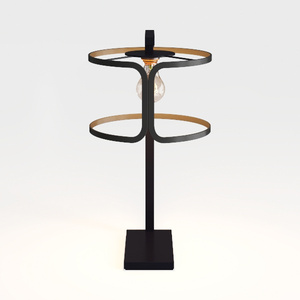

Modern Black Metal Industrial Table Lamp 3D Model

Minimalist Linen Fabric Walnut Wood Table Lamp 3D Model
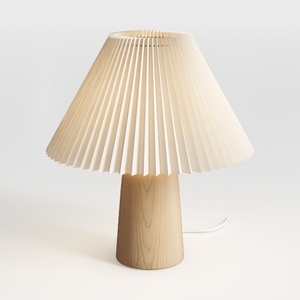
NUOBESTY 1Set Nordic Pleated Desk Lamp for Bedroom
Homestyler is your go-to online home design platform, perfect for transforming your ideas into reality. With its user-friendly design tool, stunning 3D renderings, inspiring design projects, and handy DIY video tutorials, creating your dream space has never been easier!
Diseño ahora GRATIS
































