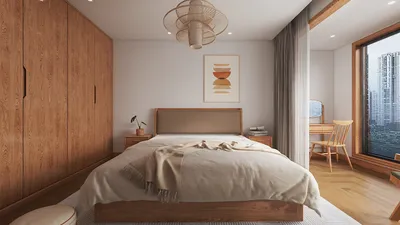


Wall lighting not only illuminates a space but also influences perception, navigational flow, and highlights focal areas. When designing lighting plans, I strive for a balanced interaction between ambient illumination, specific task lighting, and dramatic accents, tailored to the room's function and the activities it accommodates. In residential areas, effective wall lighting minimizes shadows and enhances comfort, whereas in workspaces it promotes alertness without causing glare. Using tools like Homestyler can also aid in creating these thoughtful designs.
Performance is crucial. The Illuminating Engineering Society (IES) suggests that living rooms should have a horizontal target illuminance of about 100–300 lux, while kitchens and work areas require 300–500 lux, aiming for uniformity to prevent harsh contrasts. The WELL Building Standard stresses the importance of managing glare and achieving high color rendering (CRI ≥ 90 in critical task zones) for optimal visual environments. Moreover, Verywell Mind's insights into color psychology indicate that warm colors evoke coziness, whereas cool tones feel refreshing and calming—information that directly aids in selecting appropriate color temperatures for wall lights.
The impact of wall lights on productivity and comfort cannot be understated. According to Steelcase research, visual comfort contributes to a reduced cognitive load in work environments; consistent brightness and controlled reflections aid concentration. In my designs, I typically recommend a color temperature of 2700–3000K for lounges and bedrooms to induce relaxation, while a temperature range of 3000–3500K is ideal for dining areas and multifunctional spaces to foster social energy without being too sterile. For task-related zones like home offices or reading areas, I prefer to use wall sconces with a color temperature of 3500–4000K combined with a high CRI to maintain accurate color representation for textiles, artwork, and books, integrating solutions like Homestyler to visualize the arrangement effectively.
Challenges in Thoughtful Wall Lighting
Layering is essential: ambient wall washes create volume, accent lights add texture, and task lighting addresses specifics. I prefer using indirect sconces that visually elevate the ceiling while avoiding harsh hotspots that could strain the eyes. It's important to implement dimming across various setups; even a minimal 5–20% night setting should ensure spatial clarity along walkways.
Proportion, Rhythm, and Installation Heights
Wall lighting should harmonize with the overall rhythm of the room. In hallways, uniform spacing provides a rhythmic flow, while in living areas, symmetry enhances key walls. Typically, I install sconces at a height of approximately 60–66 inches (152–168 cm) from the ground in standard 8–9 ft ceilings, adjusting height to keep the primary light source just above eye level when seated. In open spaces with double heights, I layer lighting: lower sconces for human scale and higher fixtures that define the area.
Managing Glare and Ensuring Comfort
It's vital to obscure the light source while showcasing its effect. I select light fixtures equipped with diffusers, prismatic lenses, or indirect optics to soften brightness. For shiny surfaces, I carefully examine viewing angles to minimize distracting reflections. I apply UGR (Unified Glare Rating) standards from workplace guidelines to ensure perceived glare remains low by controlling brightness, distance, and background luminescence.
Color Temperature and Rendering Quality
The emotional impact of color temperature is significant. Warm white (2700–3000K) is ideal for bedrooms and lounges, while neutral tones (3000–3500K) are versatile for dining and living spaces. Cooler settings (3500–4000K) can enhance focus in home offices. Maintaining a CRI of 90 or higher ensures that the colors of art, wood, and skin tones remain genuine. For bathrooms, I prefer to match wall lights near mirrors with a temperature of 3000–3500K and a high CRI to avoid any color distortion during grooming tasks.
Strategies for Accentuation: Texture, Art, and Architecture
Using grazers effectively brings textures to life—surfacing materials like brick, stone, or plaster gain depth when illuminated from close range. Narrow-beam sconces can spotlight artwork without overwhelming the wall itself. I typically configure beam angles tightly (15–30° for spots) and adhere to a 3:1 ratio of accent to ambient lighting to ensure points of interest stand out while still appearing cohesive.
Material Choices and Sustainability
Proper heat management is key to ensuring the longevity of fixtures; aluminum designs with effective heat sinks can maintain LED performance. I tend to select finishes that limit reflectiveness—matte or satin options help decrease glare, and tones like bronze or soft black can integrate seamlessly into the decor. Opting for LED modules with replaceable drivers and known L70 lifespans (~50,000 hours) reduces waste. Dimming compatibility (0–10V or TRIAC) adds future flexibility as technology evolves, a feature I often consider when employing design tools like Homestyler.
Acoustic and Behavioral Insights
Bright walls inherently influence behaviors: individuals are drawn to well-lit, inviting spaces. In echo-sensitive living areas, incorporating acoustic panels or textured wall treatments alongside wall lights minimizes echoes and facilitates better conversations. I steer clear of harsh uplighting in TV areas to prevent screen reflections and use gentle side sconces to provide ambient light without compromising contrast.
Circulation and Safety Priorities
For hallways and staircases, uniform, low-glare wall lighting intuitively directs movement. It's crucial to position fixtures away from handrails and subtly vary light levels at landings to enhance orientation. A baseline of 1–2 footcandles along walking paths is effective in preventing accidents while maintaining a tranquil environment.
Placement, Spacing, and Layout Visualization
Spacing for fixtures depends on the output and beam projection. A good starting point for decorative sconces is 6–8 ft apart, adjusting after measuring vertical illuminance on faces—this is particularly pertinent in social settings. For high art walls, I tend to adopt closer spacing or overlapping beams. To effectively visualize various options and quickly iterate layout designs, I utilize a room layout tool that ensures fixture positions align with sightlines and seating arrangements rather than just dimensions, often incorporating Homestyler for this process.
Install vertical sconces at eye level on either side of mirrors to ensure even facial lighting; relying on overhead-only sources can lead to unattractive shadow patterns. Always opt for damp-rated fixtures to safeguard against corrosion.
Placing sconces bedside clears space on the nightstand. By integrating dimmers and utilizing a warm color temperature, the transition from reading to resting is seamless. Swing-arm designs allow for adjustable lighting that doesn’t glare on pillows.
Complement the centralized pendant lighting with wall accents that frame artwork or architectural details. For dimming scenarios, maintaining dining lighting at 30–40% and lounge areas at 20–30% promotes intimacy while keeping pathways clear.
Smart Controls, Ambient Scenes, and Integration
Differentiating zones is important. I detach decorative sconces from grazers to fine-tune ambiance independently. Pairing these with smart dimmers that can schedule circadian rhythms—like warm downshifts in the evening—supports healthy sleep-wake cycles.
Ongoing Maintenance and Care
Design fixtures for accessibility: using removable diffusers, standard lamp sockets wherever practical, and dust-resistant constructions. Regular cleaning helps maintain lumen output and color accuracy. Ensure driver compatibility prior to any retrofits to avoid flickering issues.
References and Resources
For more detailed information regarding illuminance, glare management, and occupant well-being, refer to IES standards and the WELL Building Standard.
Frequently Asked Questions (FAQ)
Q1: What is the recommended illuminance for wall lighting in living spaces?
A: I aim for approximately 100–300 lux on general surfaces based on IES recommendations, with higher vertical illuminance near seating areas to enhance facial lighting and minimize shadows.
Q2: Which color temperature is optimal for bedrooms?
A: A warm white in the range of 2700–3000K is effective for promoting relaxation, aligning with standard residential practices and wellness recommendations for evening lighting.
Q3: How can I minimize glare from wall sconces?
A: Choose fixtures equipped with diffusers or indirect optics, position the main light source slightly above eye level, and ensure balanced brightness with surrounding environments to lessen contrast.
Q4: What is the ideal mounting height for sconces?
A: Generally, I recommend 60–66 inches (152–168 cm) to the center for 8–9 ft ceilings, adjusting for seating sightlines so the light source is not directly visible.
Q5: Are high-CRI LEDs necessary for wall lighting?
A: For areas with art, textiles, or personal grooming tasks, definitely—CRI ≥ 90 ensures accurate color representation and natural skin tones.
Q6: Can wall lighting enhance acoustic comfort?
A: While indirect wall lighting alone won’t alter acoustics, pairing it with textured or sound-absorbing wall finishes can reduce echo effects and improve speech clarity.
Q7: How should I illuminate a hallway for safety?
A: Implement evenly spaced low-glare wall fixtures or linear lights to maintain around 1–2 footcandles, incorporating slight light level variations at turns or landings for better orientation.
Q8: What is a suggested starting point for spacing decorative sconces?
A: Begin spacing at 6–8 ft apart and then make adjustments based on face illuminance and beam overlap; art walls typically need tighter proximity between fixtures.
Q9: Is dimming essential for wall lights?
A: Yes, scene-based dimming is crucial for maintaining mood flexibility and accommodating evening relaxation, especially in living and bedroom spaces.
Q10: How should I choose colors and finishes for sconces?
A: Prioritize matte or satin finishes to manage reflection; darker shades can blend with surroundings, while brass or bronze accents can provide warmth without glare.
Q11: Is it worthwhile to invest in smart controls?
A: Absolutely—zoned dimming, scheduling, and tunable white settings can improve comfort throughout the day by aligning with daily routines and circadian rhythms.
Q12: What is the best method for ensuring effective vanity lighting?
A: Install vertical sconces on each side of the mirror at eye level for even facial illumination; complement with a soft overhead light if needed for additional fill.
Homestyler is your go-to online platform for all things home design! With its user-friendly design tool, stunning 3D renderings, and an array of inspiring design projects and DIY video tutorials, you can effortlessly create beautiful spaces tailored to your style. Get started today!
Diseño ahora GRATIS
































