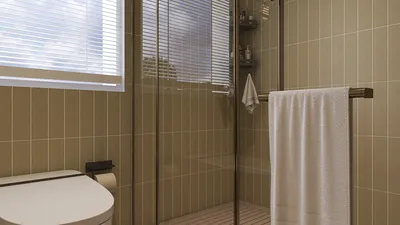


I view each table as a platform for everyday life—whether it’s for coffee rituals, nighttime reading, or casual chats. Enhancing it isn’t about cluttering with more items; it’s about the art of arrangement: scale, texture, illumination, and rhythm. A thoughtfully styled table can either soothe a space or invigorate it, guide movement, and anchor visual perspectives. The benefits are significant—achieving visual harmony can enhance the perception of order and comfort, influencing how we experience our surroundings. For creating a perfect styled table, you might consider using tools like Homestyler, which allows for better visualization and planning of your space.
Lighting sets the mood right from the start. According to the recommendations by the IES, living spaces thrive with layered lighting, ideally around 10–20 foot-candles for general illumination and higher levels for specific tasks, minimizing glare to ensure visual comfort. WELL v2 stresses the importance of glare control and appropriate lumens to diminish eye strain and encourage circadian rhythms. This indicates that items like candlesticks or soft-glow lamps should complement bright overhead lights instead of clashing with them. When selecting light fixtures, I match their size to the table: a 10–12 inch diameter lamp fits nicely on a side table, while a larger chandelier of 24–36 inches is perfect for dining areas.
Color carries psychological significance. Verywell Mind mentions that warm colors enhance sociability and energy, while cool tones can reduce anxiety and improve concentration. On my coffee table, I typically feature one warm element—such as a terracotta tray or a brass bowl—balanced with cooler greenery or a stone piece to avoid visual clutter. Research from Steelcase demonstrates that having control over one’s environment leads to greater engagement; providing movable items—like coasters, trays, or modular candle holders—invites subtle personalization without chaos. Incorporating tools like Homestyler can help visualize these compositions effectively.
Coffee Table: The Rule of Thirds and Tactile Contrast
I design coffee tables with three distinct zones: anchor, lift, and life. The anchor involves a low, substantial item (like books stacked 3–4 inches high or a stone bowl). The lift represents a vertical aspect—12–18 inch stems in a vase or a sculptural candle holder. Life introduces dynamism: a tray for remotes, a small game, or a seasonal fixture. It’s crucial to maintain the peak height around half to two-thirds of the table width for stability. If you're trying out different furniture configurations, utilizing a room layout tool like Homestyler can help visualize arrangements and sightlines before finalizing your design.
Material selection is vital. I mix porous with polished textures: for instance, a linen runner paired with glazed ceramic, or matte stone combined with handblown glass. This contrast not only amplifies perceived luxury but prevents monotony. Softer materials—like a linen runner or felt pads—also help absorb sounds from clinking on hard surfaces, contributing to a quieter ambiance.
Dining Table: Centerline Rhythm and Conversational Sightlines
In dining settings, I keep the centerline unobstructed below eye level for clear sightlines across the table. A low centerpiece (4–8 inches tall) is perfect for daily meals; however, it can be elevated to 10–14 inches for special occasions with airy arrangements. Research by Gensler emphasizes the importance of unobstructed eye contact in collaborative environments; the same principle applies to maintaining relaxed and connected dinner experiences.
Establish a rhythm by alternating linear items (such as a runner) with grouped forms (like trios of bud vases). Using odd numbers—three or five—enhances visual rhythm. Candle placement should be lower than the edge of pendant lights to minimize glare; using dim light (2700–3000K) during evening meals adds warmth. For those who entertain frequently, consider a modular system with nesting trivets, stackable placemats, and a collapsible centerpiece to keep heat, serving, and decor elements from competing.
Side and Console Tables: Wayfinding and Micro-Scenes
Side tables are most effective when they fulfill dual roles: function and ambiance. A compact lamp (with a 10–12 inch diameter shade and warm lighting at 2700–3000K) paired with a small sculptural piece is sufficient. For consoles, I create a micro-scene: artwork leaning against walls, a mid-height vase (12–18 inches), and a shallow tray for keys. Ensure that console decorations stay within the table’s depth to avoid snagging. Mirrors should be used judiciously; place them to reflect soft light instead of harsh glare.
Entry Table: First Impression with Movement
An entry table thrives on verticality to signal arrival—think a branching arrangement or a tall reed diffuser. It should include a catch-all for keys and a small tray for mail. Ideally, the top should be around 30–32 inches high for easy access. A small dimmable lamp can provide immediate warmth; maintain a consistent color temperature with adjacent spaces to ensure seamless transitions.
Bedside Tables: Quiet Utility
Bedside decor focuses on restfulness. WELL v2 suggests limiting blue light in sleeping areas; thus, warm lamps (≤3000K) with opaque shades are ideal. Books and a carafe can offer practical utility without overwhelming comfort. When charging devices, conceal cords using under-table clips and fabric-covered cables to reduce clutter. A soft coaster can mitigate noise at night, while scents like lavender or cedar provide a gentle cue for winding down.
Materials and Sustainability: Honest, Repairable, Timeless
I prioritize materials that age gracefully: solid wood, natural stone, and recyclable glass. Opt for finishes that require minimal maintenance—such as oiled wood that can be reconditioned and ceramics that are easy to clean without scratches. Material Connexion produces resources that demonstrate how authentic textures elevate perceived quality while supporting lifecycle sustainability. My goal is to accumulate fewer but better pieces; one standout artisan item is more valuable than five disposable creations.
Color and Seasonal Layers: Controlled Swaps
Start with a neutral palette—think charcoal, sand, and olive—and rotate accent pieces seasonally. For Spring, incorporate soft greens and blown-glass vases. In the Summer, use woven trays and citrus shades. Autumn might feature patinated brass and russet linens, while Winter could bring textured ceramics and deep indigo. Keep the swapping process modular so the base pieces remain intact.
Scale and Proportion: Fit the Table and the Room
Proportion becomes more versatile when negative space is considered. Aim to keep 30–40% of the surface available for practical use. For smaller tables (≤24 inches in diameter), prioritize fewer but taller elements instead of numerous small ones. Larger tables benefit from clusters of decor to create distinct areas while maintaining usable surfaces.
Light, Glare, and Candle Safety
Glare can quickly disrupt the desired ambiance. Opt for matte finishes near lighting sources, avoid mirrored trays in well-lit areas, and position candles out of direct sightlines. When arranging multi-candle displays, vary the heights while ensuring the wick line stays below eye-level when seated. Always use heat-resistant holders and maintain a distance of 3–4 inches between flames to prevent excessive heat.
Layout and Flow: Test Before You Commit
Tables significantly affect movement within a space. If your coffee table is within 18 inches of seating, reach feels comfortable; at 24 inches, while circulation is enhanced, comfort diminishes. In compact rooms, opting for oval or rounded tables can ease pathways. To practice setups and spacing, using an interior layout planner like Homestyler can help visualize clearances and scene composition prior to styling.
Styling Formula: Build, Balance, Breathe
Start by placing the anchor item first. Then, achieve balance by adding a vertical lift along with one tactile element. Lastly, edit the arrangement until 30–40% of the surface remains clear. Apply this formula consistently across all tables for a unified look, and adjust lighting and colors according to the room's intended purpose—whether social, contemplative, or functional.
FAQ
Maintain the centerpiece height around 4–8 inches to preserve sightlines. For special events, heights up to 10–14 inches are permissible if the arrangement remains airy and doesn’t obstruct views.
Utilize warm lighting at 2700–3000K in living areas and bedrooms to enhance comfort. Cooler temperatures are better suited for task-intensive locations.
Ensure 30–40% of the table surface is clear to maintain usability and a serene visual effect.
Positioning about 18 inches away allows for comfortable reach; extending to 24 inches improves flow if more movement is needed.
Candles should be placed below eye level when seated to avoid glare, and refraining from using mirrored trays under bright sources enhances the aesthetic.
Opt for solid wood, recyclable glass, ceramics, and natural stone for sustainable choices that endure over time and are easy to maintain.
Aim to select one functional piece (like a lamp) and one sculptural accent. It’s best to maintain varied heights while keeping a minimal footprint.
Certainly—combining warm brass with cooler steel or nickel is feasible, but it’s wise to limit the palette to two metals and repeat each twice for cohesion.
Select a neutral base with one or two accent colors through trays, books, or floral arrangements. Swap these accents seasonally for diversity.
Keep the decor within the table's depth, integrating a catch-all tray, and utilize a low-glare lamp to establish a calm, practical entry space.
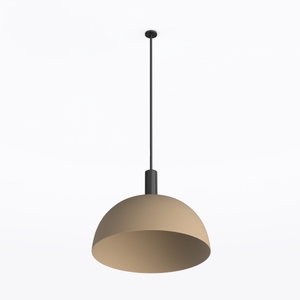
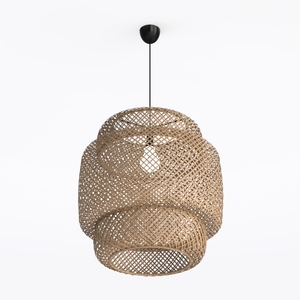

Experience effortless home design with Homestyler! This user-friendly platform offers an intuitive online design tool, stunning 3D renderings, inspiring design projects, and helpful video tutorials. Bring your vision to life and transform your space effortlessly with Homestyler today!
Diseño ahora GRATIS
































