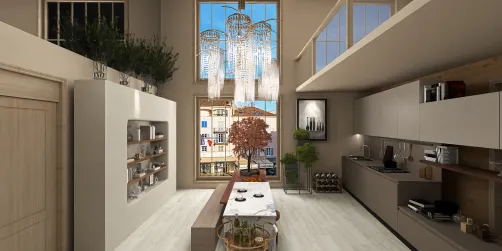
Loft Apartment Interior Design
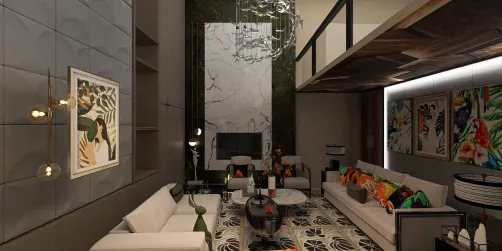
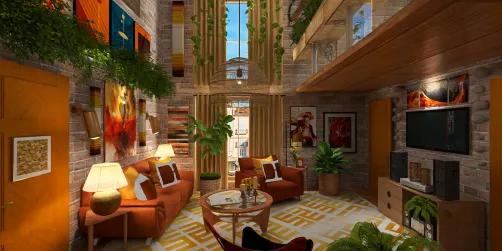
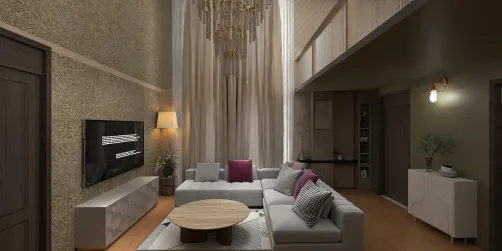
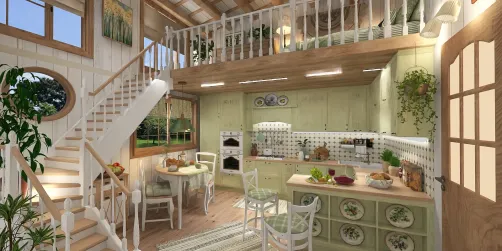
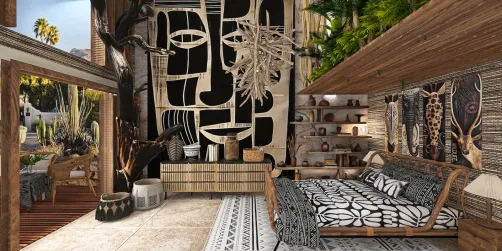
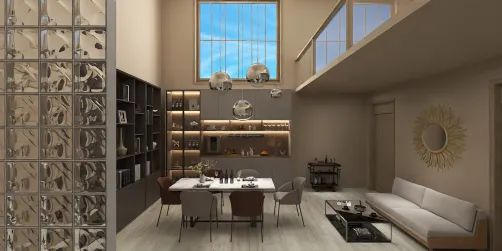
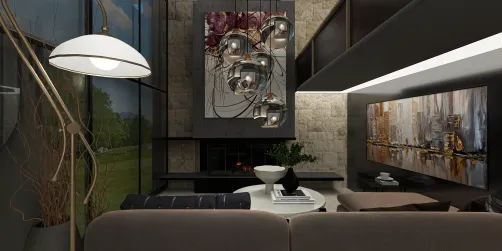
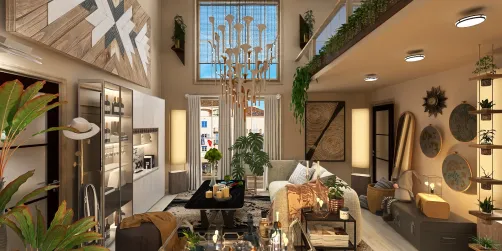
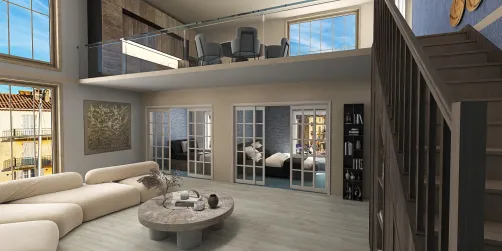
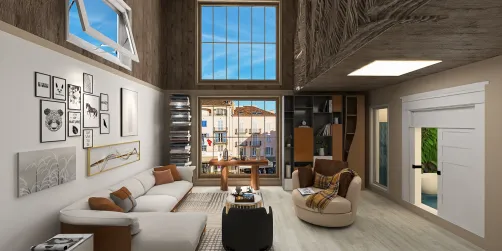
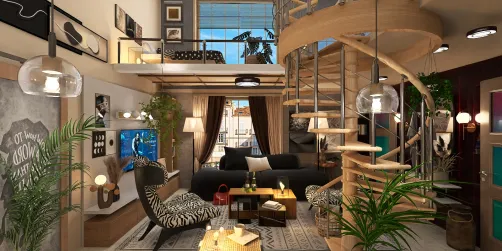
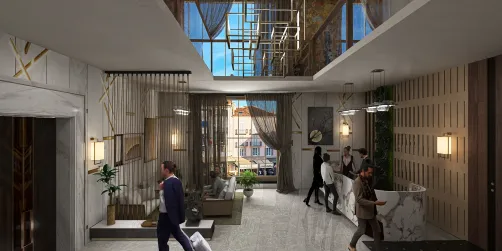
The 'Loft Apartment' design scene refers to open-concept, industrial-inspired urban living spaces characterized by high ceilings, exposed structural elements (e.g., ductwork or brick), large windows, and flexible zoning—often without full-height partitions. In the Homestyler Weekly Room contest, designers leveraged the official 'Empty Loft Apartment' template to reinterpret this typology across diverse cultural contexts—from minimalist German kitchens to vibrant Bangladeshi living areas—emphasizing adaptability, visual continuity, and intentional spatial layering. This scene prioritizes indoor spatial planning that balances functionality with aesthetic expression, making it ideal for compact urban dwellings where multifunctionality and perceived spaciousness are essential.
Design Challenges & Common Pitfalls
Loft apartments present unique challenges: lack of defined room boundaries often leads to poor functional zoning; oversized volumes can feel cold or acoustically harsh; and large windows introduce glare or overheating if not balanced with smart material and lighting strategies. Additionally, many designers struggle with scale coherence—mixing oversized furniture in low-ceiling zones or overcrowding open-plan areas with too many visual anchors. Effective interior space planning must address these holistically—not as isolated issues, but as interconnected variables influencing human comfort, movement flow, and emotional resonance.
✅ Prioritize Zoning Through Visual Hierarchy
In open lofts, physical walls are rare—so designers rely on layered cues: floor material transitions (e.g., hardwood to area rug), ceiling treatments (recessed lighting clusters vs. linear tracks), and vertical accents (floating shelves, freestanding screens) to define kitchen, dining, and lounge zones without enclosure. This approach supports intuitive wayfinding and preserves spatial generosity while fulfilling functional needs.

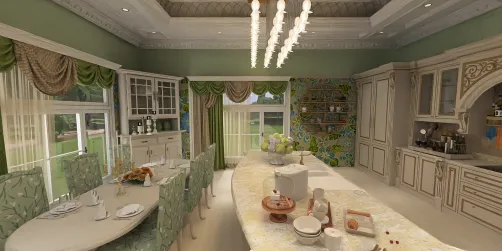
Daniela Schanglies’ award-winning kitchen design exemplifies visual zoning mastery: she uses a warm-toned island countertop and suspended linear pendants to anchor the cooking zone, while a monochrome tile backsplash and recessed under-cabinet lighting create vertical definition. Within Homestyler AI design tool, she applied precise material mapping and lighting presets to simulate depth—proving how strategic interior space planning transforms an empty loft shell into a cohesive, purpose-driven environment.
Start Designing Now✅ Leverage Natural Light as a Design Material
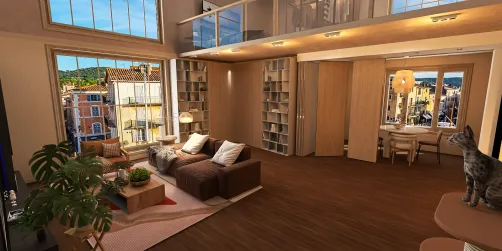
Large loft windows are assets—not just views. Designers should treat daylight as a dynamic element: use sheer or motorized roller shades for glare control; position reflective surfaces (mirrored cabinets, glossy countertops) to bounce light deeper into the plan; and layer ambient, task, and accent lighting to maintain warmth during low-sun hours. This ensures consistent luminosity and avoids stark contrasts that disrupt spatial perception.

Afrah Alwy’s bathroom design within the Empty Loft Apartment template demonstrates intelligent daylight integration: she positions a large framed mirror opposite the window to amplify natural illumination, pairs matte-white tiles with warm LED wall sconces for evening balance, and selects moisture-resistant bamboo shelving that reflects soft light without glare. Using Homestyler’s real-time sun simulation and material reflectivity preview, she optimized lighting placement before rendering—showcasing advanced Homestyler design技巧 for biophilic, energy-conscious interiors.
Create Your Free Design✅ Curate Multifunctional Furnishings with Intentional Scale
Loft layouts demand furniture that serves more than one purpose—e.g., storage ottomans, extendable dining tables, or sofa beds—without compromising proportion. Oversized pieces overwhelm sightlines; undersized ones get visually lost. The key is anchoring each zone with one strong-scale item (e.g., a sectional sofa or industrial dining table), then layering smaller, adaptable elements around it—always referencing ceiling height, window proportions, and traffic paths in the planning phase.

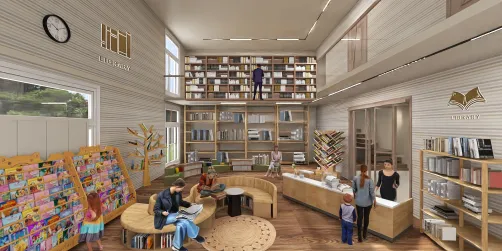
Susan Lillian’s ‘Local Library’ study nook reveals expert scale curation: a compact L-shaped desk anchors the workspace, paired with a mid-height bookshelf that doubles as a visual screen between living and study zones. Her use of a low-profile modular sofa and round coffee table maintains clear circulation paths—critical in loft configurations. Within Homestyler, she utilized the ‘Scale Preview’ toggle and drag-to-fit furniture library to test spatial relationships in real time, embodying best-practice interior space planning for hybrid-use environments.
FAQ
Q: Can I use both the SkyRoom and Empty Loft Apartment templates in one design?
Only designs created using *one* of the two specified templates—either SkyRoom *or* Empty Loft Apartment—are eligible for judging. Mixing templates violates contest rules and disqualifies entries.
Q: Do I need professional interior design experience to join this contest?
No— Homestyler AI design tool is built for all skill levels. Its drag-and-drop interface, auto-snap alignment, and AI-powered material suggestions make professional-grade interior space planning accessible to beginners and experts alike.
Q: How important is model count in contest evaluation?
Model count reflects design complexity and attention to detail—but judges prioritize spatial coherence, functional logic, and creative interpretation over sheer quantity. A 10-model kitchen (like Daniela’s Top 1 entry) can outperform higher-count submissions if its interior space planning tells a clearer story.
Q: Are country-specific design styles favored in judging?
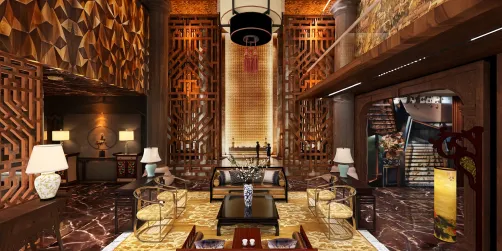
Judges evaluate based on universal principles: harmony, functionality, lighting quality, and narrative strength—not regional trends. However, culturally grounded details (e.g., Turkish textiles in Handan’s Top 5 loft or Indonesian motifs in Brahminy Kite’s Top 2) earn recognition when they enhance authenticity and user-centered storytelling.

Modern Two Tone Solid Wood Nightstand 3D Model
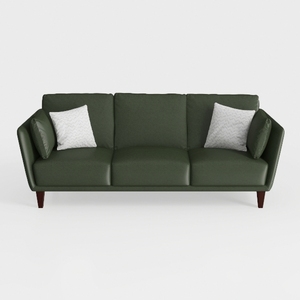
Minimalist Dark Green Leather 3 Seater Sofa with Decorative Throw Pillows 3D Model
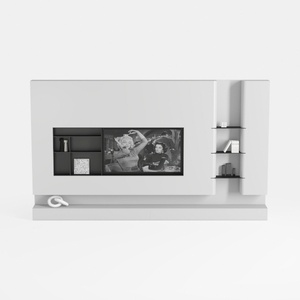
Minimalist White Wall Mounted TV Stand Cabinet With Open Shelves 3D Model
Homestyler offers an easy-to-use online design tool with stunning 3D renderings, extensive design projects, and helpful video tutorials. It’s perfect for anyone looking to create and visualize beautiful home interiors effortlessly. Give your space the makeover it deserves!
Diseño ahora GRATIS