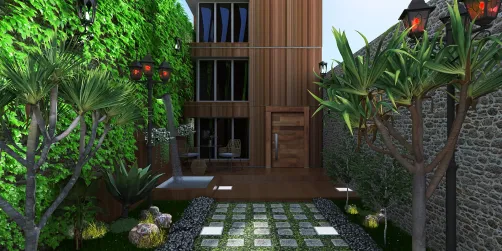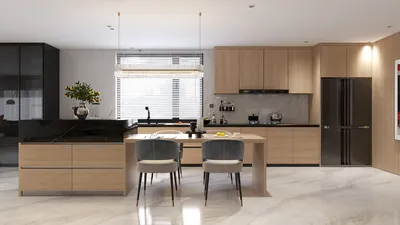
The art of creating landscape sections is essential for landscape architects and interior designers who strive to connect indoor and outdoor spaces seamlessly. A landscape section is essentially a scaled illustration that shows a vertical slice through the land, structures, and vegetation. It serves to visually express the interconnections among the terrain, plants, hardscaping elements, and buildings. To begin, collect or develop a base map that accurately reflects the topography of the site. Determine the critical axis or perspective that you wish to depict—this is often aligned along a significant boundary line that highlights notable characteristics or areas, such as the transition from a house to its garden. Following this, utilize tracing paper or advanced digital design tools to map out the section line on your layout, projecting heights and depths accordingly. This should include details like ground layers, retaining walls, steps, patios, water features, and major plantings.
Pay attention to the finer details: specify materials, surface textures, planting heights, and spatial dynamics. Apply shading, hatching, labels, and colors to improve visibility and emphasize the key elements. For beginners, utilizing digital design platforms can greatly simplify the task, enabling rapid iterations of layouts and the exploration of various section lines or planting configurations. As a designer, I frequently rely on a comprehensive suite of 2D and 3D visualization tools found in Homestyler—these tools not only accelerate the drawing and presentation process but also facilitate clearer communication of concepts to clients and contractors alike.
Strategies for Success:
Kick off your landscape section by establishing precise objectives: Are you focusing on showcasing topographical variations, illustrating privacy screens, or designing layered plantings? Adopt a designer's mindset—use sectional views to address challenges, such as managing sightlines or conceptualizing multi-tiered decks, before actualizing your project. It is also beneficial to overlay your section with a color-coded scheme representing different plant species or material types, which significantly boosts both clarity and aesthetic appeal.
Frequently Asked Questions
Q: What exactly is a landscape section?
A: A landscape section is a vertical representation that cuts through a site, showcasing variants in grade, built structures, planting arrangements, and the spatial connections found within a landscape design.
Q: Why do landscape sections hold significance in the design process?
A: They elucidate vertical relationships, aiding designers in planning for sightlines, privacy, water drainage, accessibility, and aesthetic layering within the overall design framework.
Q: Which tools are recommended for creating digital landscape sections?
A: Commonly used tools include CAD software, SketchUp, and specialized landscape design platforms like Homestyler, which provide the functionality for both 2D section views and immersive 3D experiences.
Q: How should I choose the placement of a section line?
A: Select positions that traverse significant features or clearly depict vital transitions—such as the move from an entrance to the backyard or the connection from the house to the garden.
Q: Is it feasible to incorporate interior spaces within landscape sections?
A: Absolutely! Merging outdoor and indoor components within a sectional perspective is valuable for comprehensive designs, ensuring a cohesive relationship between architecture and landscape.

Homestyler is an exceptional online home design platform, perfect for anyone looking to transform their space. With its user-friendly design tool, stunning 3D renderings, and a wealth of inspiring design projects and DIY video tutorials, turning your home design dreams into reality has never been easier!