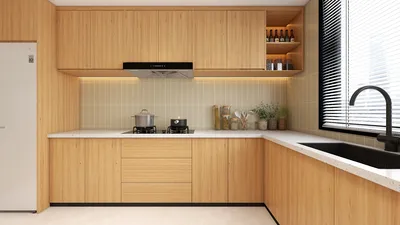


In the process of hanging a shelf in a narrow closet, I learned a valuable lesson after damaging the wall three times. That small mishap taught me more than any instruction manual ever could. When working in confined spaces, innovative thinking is essential, and that's when true ingenuity emerges. If you're considering a compact renovation, implementing a few clever room design strategies can save you considerable time and reduce frustration.
1. Choose the Appropriate Tool and Attachment
I typically begin by selecting the right drill based on the available space. An angled or right-angle drill attachment can be a real game changer for tight corners and the areas behind cabinets. Compact cordless drivers, while lighter and surprisingly efficient, feature shorter battery lives than traditional drills, so it's wise to keep an extra charged battery nearby.
save pin
2. Opt for Low-Profile Bits and Countersink Options
Low-profile drill bits help minimize bite marks and grant you more maneuverability when you can't position the drill upright. Countersink bits allow fasteners to be concealed for a tidy appearance, but they require a steady hand; practicing on scrap materials beforehand can help prevent over-drilling.
save pin
3. Create Simple Guides and Spacers
Using templates, cardboard guides, or scrap-wood spacers ensures that the drill bit stays exactly where intended, even in tight spots. I frequently construct quick jigs on-site. For kitchen renovations, I have used guides to keep the drilling aligned flawlessly for pipes and cabinets, which is beneficial when coordinating with contractors who require precise holes for appliances and fixtures. Sometimes, I even sketch innovative kitchen layouts to align drilling with clearance needs.
save pin
4. Pre-assemble Modules and Pre-drill Offsite
For components that may be difficult to reach after assembly, pre-drilling or fitting on a workbench is advisable. For instance, pre-drilling the underside of a floating desk at my shop before installation spared me the hassle of awkward angles and saved my back. Just remember that this requires careful measurements and clear labeling, as transporting pre-assembled parts can create fitting challenges.
save pin
5. Visualize and Test in 3D Before Committing
When every millimeter counts, I often use 3D modeling to visualize clearances and drilling angles. This helps identify potential conflicts and inaccessible areas before the first drill pierces the material. A simple 3D floor plan not only benefits me but also aids clients in understanding the need for a few extra centimeters here and there, preventing those disappointing ‘it looked different’ moments.
save pin
Helpful Tips:
Here are some quick practical tips: clamp small pieces securely, use depth stops or tape to prevent drilling too deep, keep a magnetized bit holder handy for tiny screws, and always wear eye protection. If you're uncertain about any hidden wires or plumbing, pause and use a scanner or consult a professional—it's a small investment compared to the cost of repairs.
save pin
FAQ
Q1: What drill is ideal for tight spaces?
For accessing tight areas, compact cordless drills or right-angle drills are my top choices; they provide enhanced access and precision. Additionally, for extremely cramped spots, an impact driver with a right-angle attachment is also effective.
Q2: How can I avoid drilling into pipes or wires?
Combining building plans, stud finders with live-wire detection, and a cautious drilling approach is essential. If there’s any doubt, it's best to contact a licensed professional to locate hidden utilities.
Q3: What safety gear is necessary for drilling in small areas?
At a minimum, you should wear eye protection and a dust mask; gloves and knee pads are also beneficial in uncomfortable positions. According to OSHA guidelines, wearing safety glasses is crucial when operating power tools.
Q4: How can I drill straight when I can't see the bit?
Using a paper or wooden guide, a pilot hole, and clamping a spacer can help maintain drill alignment. Practicing on scrap material that mimics the tight space can also build muscle memory for precision drilling.
Q5: Is it possible to use a multi-tool instead of a drill in tight spaces?
Absolutely—oscillating multi-tools and rotary tools are fantastic for very confined areas, although they should not replace a drill for longer, straight holes. They are great for trimming, plunge cuts, or enlarging pilot openings.
Q6: What should I do to manage dust and debris in confined areas?
Work at a measured pace, utilizing a vacuum with a nozzle positioned close to the drill bit. If necessary, seal off the workspace with plastic sheeting to protect finishes. Good ventilation and taking breaks can minimize dust accumulation and enhance visibility.
Q7: When is it best to engage a professional rather than handle the task myself?
If you suspect hidden services such as electrical, gas, or plumbing behind the surface or if you are dealing with structural holes, hiring a professional is advisable. The minor cost for an expert often prevents significant expenses in repairs later.
Q8: Are there any planning tools you suggest before drilling in tight areas?
Sketching the layout and simulating access points is incredibly helpful; simple mock-ups and tape-measured templates usually suffice. For more complex layouts, I sometimes utilize digital design tools like Homestyler to visualize relationships between elements and confirm clearances before proceeding to drill.
save pin
Homestyler is your go-to online home design platform, perfect for transforming your ideas into stunning visuals. With its easy-to-use design tool, impressive 3D renderings, and a wealth of design projects and video tutorials, creating your dream space has never been easier!
Diseño ahora GRATIS
































